Pakistan and Afghanistan Seek De-escalation in renewed Crisis Talks
Recent clashes between Pakistan and Afghanistan have spurred a new round of high-level negotiations, aiming to quell escalating tensions and restore stability to the region. Dozens have been killed and hundreds injured in the recent fighting, prompting urgent diplomatic efforts.
The two neighboring nations find themselves locked in a growing security dispute, each accusing the other of instigating violence. Pakistan alleges Afghanistan is providing safe haven to militant groups launching attacks across the border. Conversely, Afghanistan’s current rulers vehemently deny these accusations.
A history of Recent Conflict
last weekend,Qatar and Turkey successfully brokered a ceasefire to halt the immediate hostilities. While the truce has largely held, the border remains closed, allowing only for the passage of Afghan refugees seeking entry into Pakistan. This closure is considerably impacting regional trade.
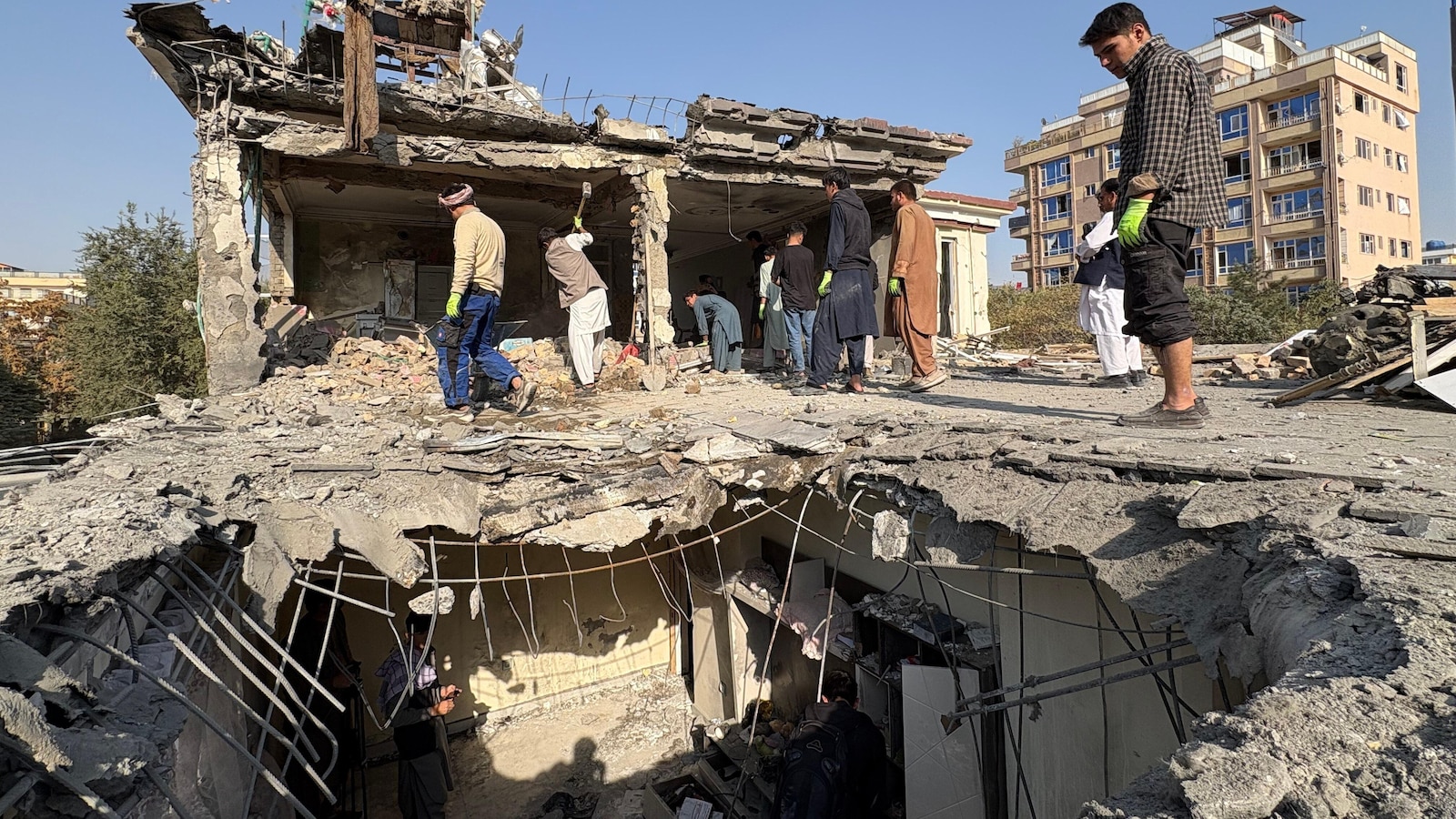
Currently, Afghanistan’s Chamber of Commerce and Industry reports daily losses amounting to millions of dollars due to the disruption of transit and trade. Southern Kandahar Province, particularly the border town of Spin Boldak, bore the brunt of the recent conflict, suffering casualties and widespread property damage from pakistani airstrikes.
The Istanbul Negotiations: What to Expect
A high-level delegation from Afghanistan, led by Deputy Interior Minister Haji Najib, is now in Istanbul for a second round of crisis talks with Pakistani officials. The aim is to address the remaining contentious issues and forge a path toward lasting peace.
According to Taliban government spokesman Zabihullah Mujahid, the Istanbul meeting will focus on resolving outstanding concerns. Pakistan, though, has outlined specific expectations for a positive outcome.
A Pakistani Foreign Ministry spokesman, Tahir Andrabi, noted a recent decrease in large-scale terrorist attacks originating from Afghan soil. He attributed this positive trend to the outcomes of the Doha talks and expressed hope for continued progress in Istanbul.
Pakistan’s Core Concerns and Demands
Pakistan is actively combating militancy, particularly in regions bordering Afghanistan. Therefore,they are seeking concrete assurances from Kabul. Specifically, Pakistan wants:
* A complete cessation of attacks emanating from Afghan territory.
* Effective control and apprehension of armed groups operating within Afghanistan.
* A return to constructive bilateral relations.
Andrabi emphasized that Pakistan isn’t asking for unreasonable concessions, stating, “We are not asking for the moon.” He refrained from disclosing the composition of the Pakistani delegation.
The Path Forward: A Delicate Balance
You can understand that restoring trust and stability will require sustained dialog and demonstrable action from both sides. For Pakistan, a secure border is paramount to its own internal security. For Afghanistan, maintaining sovereignty and addressing legitimate concerns about cross-border interference are equally crucial.
Ultimately, a collaborative approach, focused on shared security interests and economic cooperation, is the most viable path toward a peaceful and prosperous future for both Pakistan and afghanistan. Your continued attention to this developing situation is vital, as the outcome will have significant implications for regional stability and beyond.
Related reading