Eczema, a condition characterized by itchy, inflamed skin, affects millions. It can be incredibly frustrating to manage, and many people are understandably looking for ways to find relief. Increasingly, individuals are asking if what you eat can impact your eczema symptoms.Let’s explore the connection between nutrition and eczema, and what dietary changes might help.
Understanding eczema is the frist step. It’s not simply a skin condition; it’s often linked to immune system function and gut health. Thus, addressing these underlying factors through diet can be a powerful approach.
The Gut-Skin Connection
Your gut microbiome – the trillions of bacteria living in your digestive system – plays a crucial role in overall health, including skin health. An imbalance in gut bacteria, often called dysbiosis, can contribute to inflammation throughout the body. This inflammation can worsen eczema symptoms.
Here’s how it effectively works:
* Increased Intestinal Permeability: Sometimes referred to as “leaky gut,” this allows undigested food particles and toxins to enter the bloodstream.
* Immune System Activation: The immune system reacts to these foreign substances, triggering inflammation.
* Skin Manifestations: This inflammation can then show up as eczema flare-ups.
Foods to Consider Limiting or Avoiding
While everyone is different, certain foods are commonly linked to eczema flare-ups. I’ve found that identifying and minimizing these can make a meaningful difference for many people.
* Dairy: Dairy can be inflammatory for some, and sensitivities are common.
* Gluten: similar to dairy, gluten can trigger inflammation in susceptible individuals.
* Sugar: excessive sugar intake contributes to systemic inflammation.
* processed Foods: These are often high in unhealthy fats, sugar, and additives, all of which can exacerbate eczema.
* Nightshades: For some, vegetables like tomatoes, peppers, and eggplant can worsen symptoms.
* Common Allergens: Peanuts, tree nuts, soy, wheat, fish, and shellfish are frequent triggers.
Foods to Embrace for Healthy Skin
Fortunately, many foods can actively support skin health and help manage eczema.Incorporating these into your diet is a great place to start.
* fatty Fish: Salmon, mackerel, and sardines are rich in omega-3 fatty acids, which have anti-inflammatory properties.
* Probiotic-Rich Foods: Yogurt (if dairy is tolerated), kefir, sauerkraut, and kimchi support a healthy gut microbiome.
* Prebiotic-Rich foods: These feed the good bacteria in your gut. Examples include garlic, onions, asparagus, and bananas.
* Fruits and Vegetables: A colorful variety provides essential vitamins, minerals, and antioxidants.
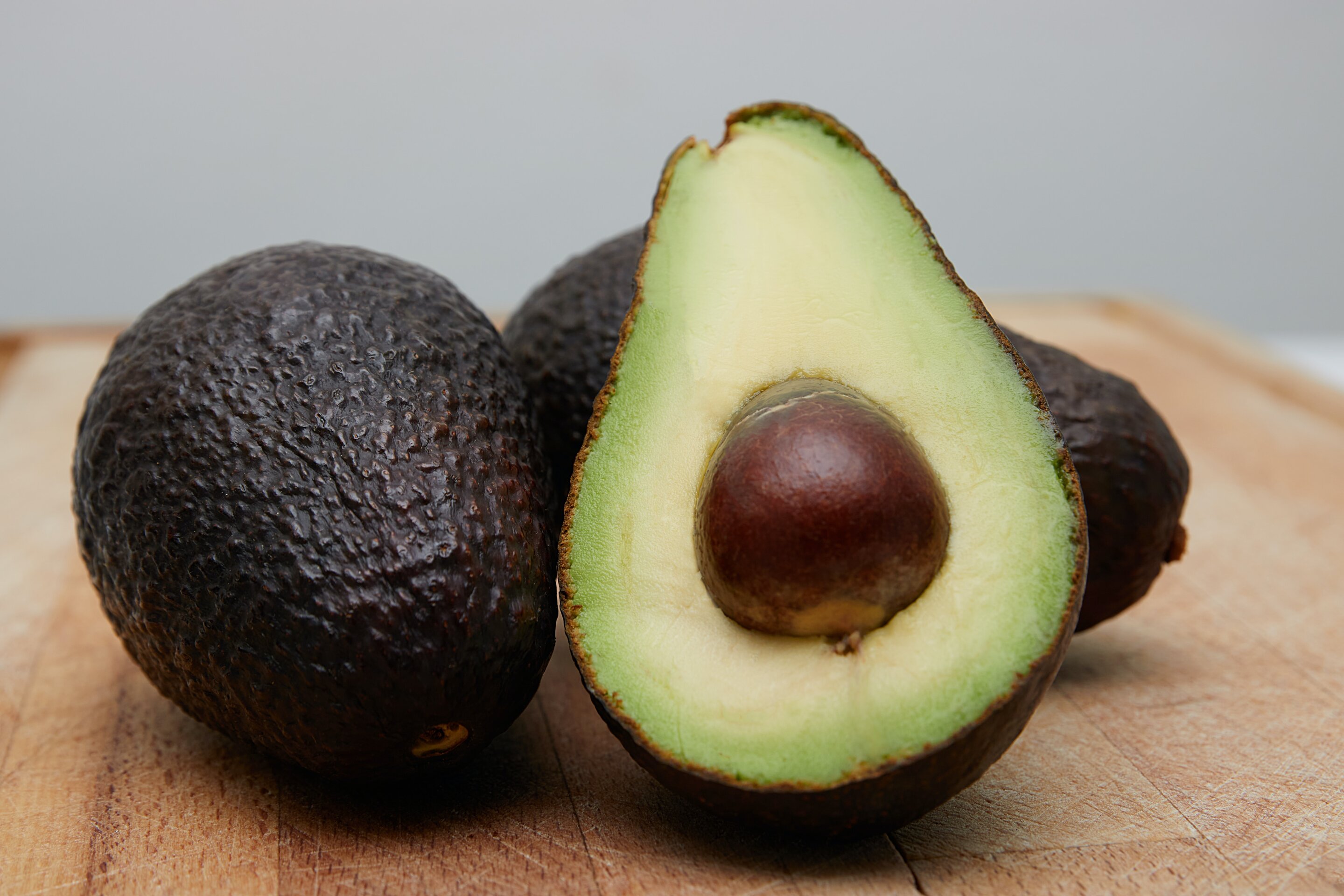
* Healthy Fats: Avocado, olive oil, and nuts (if no allergy) provide essential fatty acids.
* Hydration: drinking plenty of water is crucial for maintaining skin hydration.
Specific Nutrients to Focus On
Beyond whole foods, certain nutrients are particularly beneficial for eczema.
* Omega-3 Fatty Acids: Reduce inflammation and support skin barrier function.
* Vitamin D: Plays a role in immune regulation. Many people are deficient, especially during winter months.
* vitamin E: An antioxidant that protects skin cells from damage.
* Zinc: Supports wound healing and immune function.
* Probiotics: Restore balance to the gut microbiome.
an Elimination Diet: A Powerful Tool
If
Related reading