The Rise of Modern Yoga in America: From Spiritual Seeking to a National Phenomenon
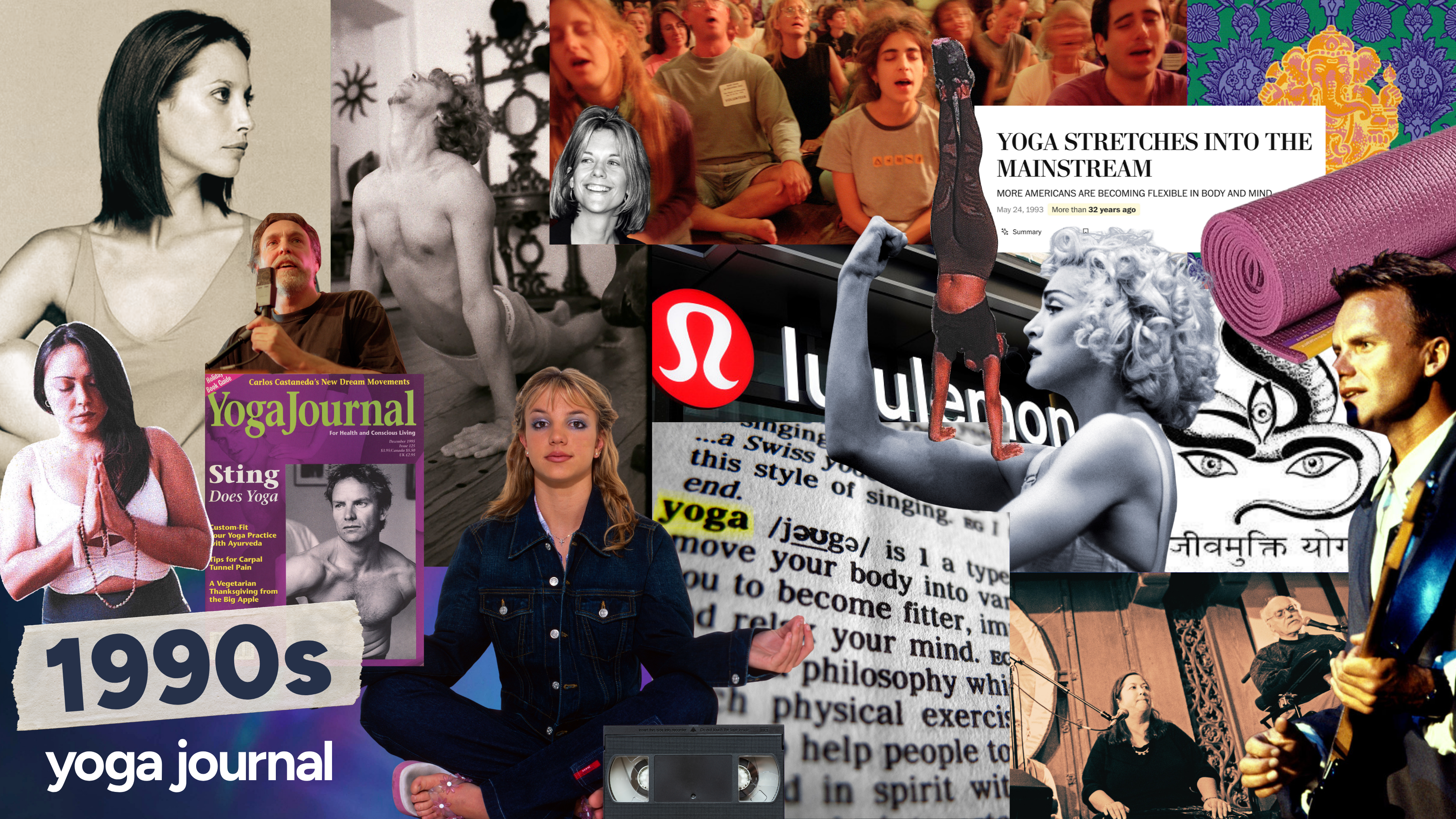
The 1990s witnessed an explosion in yoga’s popularity within the United States,transforming it from a niche practise to a mainstream wellness activity.This surge wasn’t simply about physical fitness; it reflected a deeper cultural yearning for meaning,connection,and stress relief in a rapidly changing world. But this rapid growth also brought challenges,ultimately leading to a need for standardization and,eventually,a re-evaluation of yoga’s core principles.
The Early Days: A Shift in Transmission
Prior to the 1980s, learning to teach yoga was a deeply personal journey. It involved years of dedicated study under a guru, a true apprenticeship built on devotion and immersive experiance. This traditional model emphasized the transmission of wisdom directly from teacher to student.
Though, as interest grew, a new paradigm emerged. The focus shifted towards obtaining a certificate after completing a 200-hour training program. This change wasn’t universally welcomed. Many experienced teachers in the 90s felt that reducing the practice to a set number of hours and a syllabus diminished it’s depth and authenticity. The nuanced, lived experience of yoga was being quantified.
The Need for Standardization: Enter Yoga Alliance
By the late 1990s, the proliferation of yoga teacher trainings raised concerns about quality control and consistency. In 1999, Yoga Alliance was founded to address this.
Its primary goal was to create a voluntary registry for teachers and schools, establishing guidelines for training content and defining the qualifications for a Registered Yoga Teacher (RYT) at the 200-hour and 300-hour levels. This brought a sense of official structure to a previously unregulated landscape.
Yoga’s Cultural moment: More Than Just a Trend?
The growing popularity of yoga sparked debate. Was it a genuine spiritual awakening, or simply another fleeting American trend? The October 1998 issue of Yoga Journal directly addressed this question, acknowledging the complexity of the phenomenon.
It wasn’t a simple answer.Yoga resonated with a diverse audience, from celebrities like Madonna and Sting to everyday individuals seeking solace and well-being. The practice appeared in mainstream media, fashion (think Lululemon‘s rise), and even VHS workout tapes, solidifying its place in the cultural zeitgeist.
Finding Refuge in Practice: The Aftermath of 9/11
The true importance of yoga’s surge in popularity became profoundly clear after the tragic events of September 11, 2001. Suddenly,the streets of New york City were filled with people carrying yoga mats,seeking refuge in studios.
In the wake of immense shock and grief, yoga offered both a physical outlet and a philosophical framework for grappling with unanswered questions. It provided a sense of grounding and community during a time of profound uncertainty.
A Practice That Continues to Evolve
Yoga found me as a curious teenager, and continued to meet me where I was throughout my life, offering more than I initially sought. This personal experience mirrors a larger narrative.
Perhaps, in a way, America itself was also finding what it needed in yoga. The practice continues to evolve, adapting to the needs of a changing society while retaining its core principles of self-awareness, mindful movement, and spiritual exploration.
Key Takeaways:
* Past Context: Yoga’s rise in the 90s wasn’t isolated; it was part of a broader cultural shift towards holistic wellness.
* The Role of Yoga Alliance: The organization aimed to standardize training and provide a benchmark for quality, though it remains a voluntary system.
* Beyond Physical Fitness: Yoga offered a deeper sense of meaning and connection, especially during times of crisis.
* Ongoing Evolution: The practice continues to adapt and resonate with new generations,demonstrating its enduring appeal.
Worth a look
- How to Use an Inversion Table for Neck Pain: A Step-by-Step Guide
- The Secret World of Femcels: Understanding Involuntary Celibacy Among Women
- William Orbit, Grammy-Winning Madonna Producer, Dies at 69 (archyworldys.com)
- AI, Climate Crises, and Pandemics: Navigating Modern Global Challenges (world-today-news.com)