
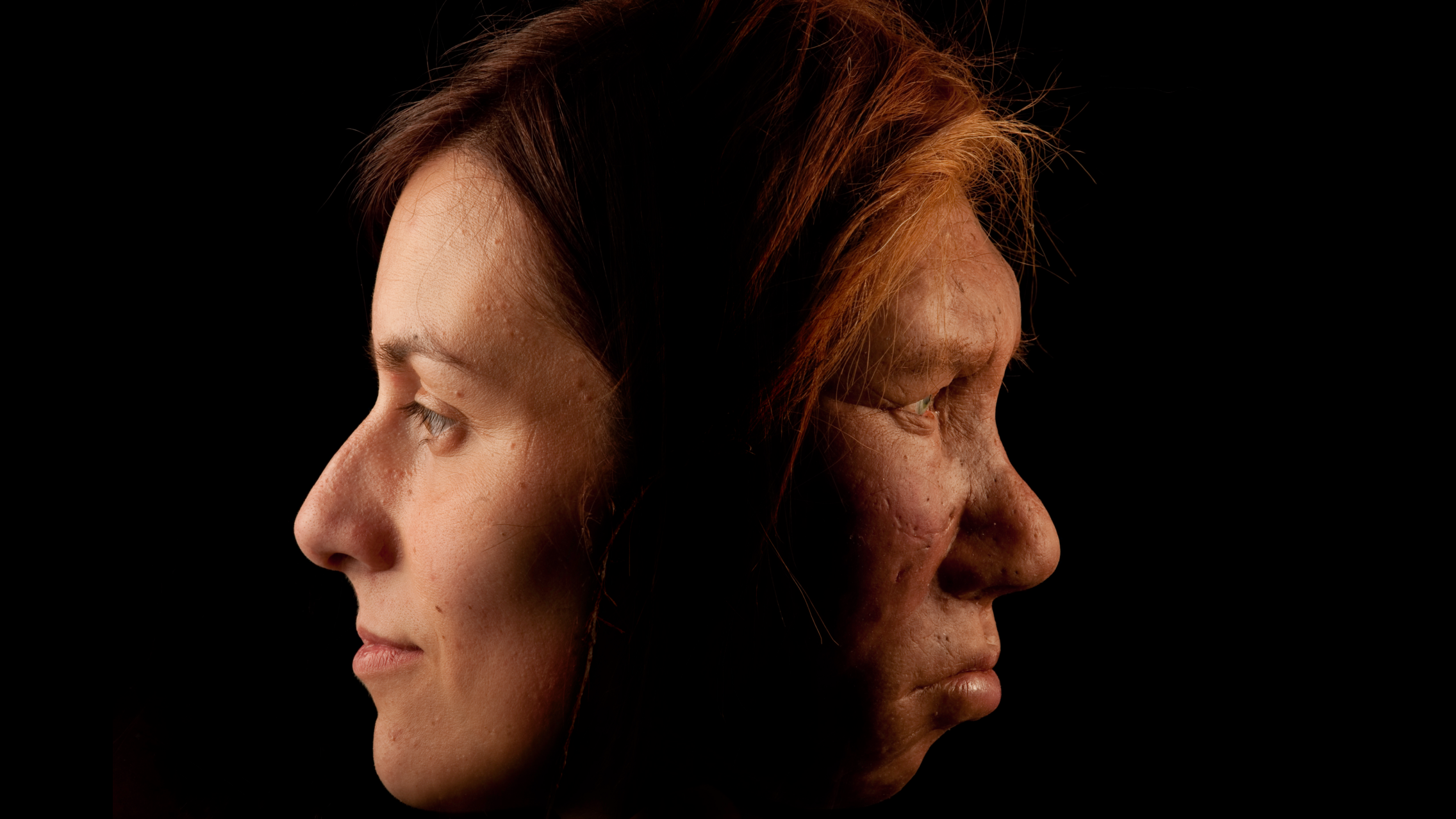
Teh Subtle Demise of the Neanderthals: A New Piece in the Extinction Puzzle
For decades, the disappearance of Neanderthals has been one of paleontology’s most enduring mysteries. While theories abound - from climate change to direct conflict with Homo sapiens – a new study suggests a more nuanced, and surprisingly subtle, factor may have played a critical role: genetic incompatibility stemming from interbreeding. This isn’t a story of a swift defeat, but a gradual erosion of reproductive success.Let’s dive into the fascinating details.
The PIEZO1 Gene and Maternal-Fetal Incompatibility
Recent research, published in the journal eLife, points to a specific gene, PIEZO1, as a potential key player in the Neanderthal decline. This gene is crucial for regulating oxygen transfer in the womb. The study reveals that a Neanderthal version of PIEZO1, while potentially beneficial in thier environment, created a perilous incompatibility when combined with the modern human version during interbreeding.
Essentially, the Neanderthal PIEZO1 allele may have led to reduced oxygen delivery to the developing fetus in hybrid offspring. This resulted in a higher rate of miscarriage or stillbirth, and a lower survival rate for those who did make it to term.
* The Core Issue: Neanderthal women carrying hybrid offspring experienced compromised oxygen transfer.
* The Consequence: Fewer hybrid babies survived, reducing the transmission of Neanderthal mitochondrial DNA (passed down through the mother).
* The Long-Term Effect: Over generations, this gradually diminished the reproductive capacity of hybrid populations.
As Dr. April Nowell, a Paleolithic archaeologist at the University of Victoria, explains, this research adds a “much-needed piece of the puzzle” to the Neanderthal extinction debate, specifically focusing on maternal-fetal incompatibility.
A Paradoxical twist: A Gene That Once Helped, Ultimately harmed
Interestingly, the Neanderthal PIEZO1 variant may have actually benefited Neanderthals in their own environment. It’s a striking example of how a genetic adaptation that once provided an advantage can become detrimental when faced with new circumstances – in this case, interbreeding with Homo sapiens.
“It’s super interesting that an allele that may have saved Neanderthals in the past was their ultimate undoing when they began to interbreed with modern humans,” Nowell notes. This highlights the complex interplay between genetics, environment, and evolutionary pressures.
Analogies to Modern Genetic incompatibilities
The PIEZO1 incompatibility isn’t entirely unique. Biological anthropologist John Hawks from the University of wisconsin draws parallels to other genetic conditions affecting modern humans, such as Rh factor incompatibility.
This suggests that genetic clashes during reproduction aren’t uncommon, and can have significant consequences for population health and survival. Hawks emphasizes that PIEZO1 is likely “one of many potential cases where the gene variant coming from an archaic population had some bad effects, causing it to decline in frequency over time in modern people.”
Not a Single Cause,But a Contributing Factor
It’s crucial to understand that PIEZO1 isn’t presented as the definitive answer to Neanderthal extinction. The story is far more complex then a single gene.
Researchers acknowledge that a multitude of factors likely contributed to the Neanderthals’ demise, including:
* Climate Change: Fluctuating environmental conditions put stress on Neanderthal populations.
* Competition with Homo sapiens: Modern humans may have outcompeted Neanderthals for resources.
* Other Genetic Factors: Numerous other genetic incompatibilities may have arisen during interbreeding.
as Hawks points out, the interaction between Neanderthals and modern humans was a “long and complicated” process. The effect of PIEZO1, and likely other similar genetic issues, was likely gradual – “more akin to rust weakening a structure than a single catastrophic blow.”
The Future of Research: Uncovering Hidden Incompatibilities
The study on PIEZO1 opens up exciting avenues for future research. Scientists are now actively investigating whether other genes might have contributed to hybrid incompatibilities between Neanderthals and modern humans.
The authors of the study themselves emphasize the need to explore “how many other loci in the genome might have similarly given rise to hybrid incompatibilities.”
What does this mean for you? Understanding the nuances of Neanderthal





