Norway’s Climate Change Legal Battles: A Turning Point for environmental rights?
Is the fight against climate change shifting from protests to the courtroom? Recent rulings, and a important loss for activists at the European Court of Human Rights (ECHR), are raising critical questions about how effectively legal challenges can hold nations accountable for their environmental impact. This article dives deep into the case against Norway, its implications, and the broader landscape of climate litigation.
Norway Defends Oil Licenses: ECHR Ruling Explained
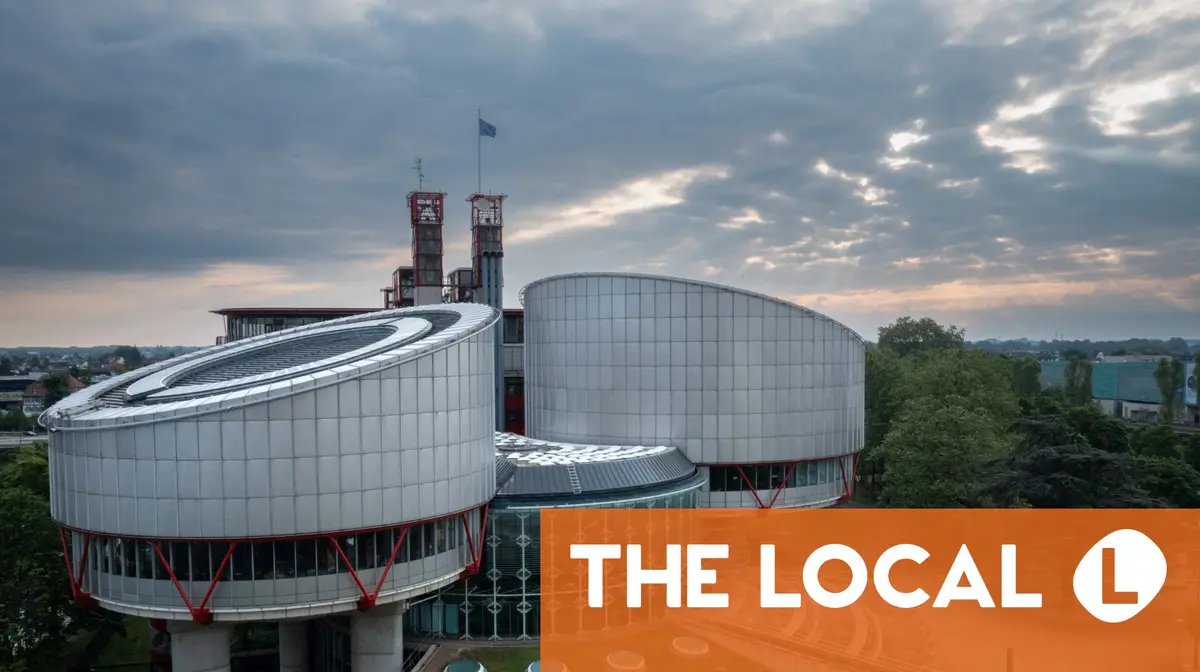
In a recent decision, the ECHR ruled against six Norwegian activists and environmental groups – Greenpeace and Young Friends of the Earth – who argued that Norway violated their human rights by awarding oil exploration licenses without adequately assessing the climate impact. The groups took their case to Strasbourg after repeated defeats in Norwegian national courts.
Their core argument? That awarding these licenses disregarded Norway’s obligations to mitigate climate change, a violation of Article 8 of the European Convention on human Rights, which protects the right to private and family life.
However, the ECHR found no violation. While acknowledging initial “shortcomings” in the environmental impact assessment process, the court determined these were rectified in time and didn’t infringe upon the activists’ rights.
This ruling stands in stark contrast to the ECHR’s 2023 condemnation of Switzerland for its insufficient climate action – the first time a state was found guilty of violating human rights due to climate inaction. In that case, the court highlighted critical gaps in Swiss regulations, specifically the lack of quantified limits on greenhouse gas emissions, following a complaint from 2,500 elderly Swiss women.
The Case Details: Barents Sea Exploration & Constitutional Challenges
The dispute centers around ten exploration licenses granted in 2016 for the Barents Sea, awarded to 13 companies including Equinor (formerly statoil), Chevron, ConocoPhillips, and Lukoil. Activists appealed to Norwegian courts, citing constitutional rights guaranteeing a healthy environment, arguing the licenses contradicted the goals of the Paris Agreement (limiting global warming to under 2°C).
Norway’s Supreme Court ultimately ruled in 2021 that the permits didn’t pose a “real and immediate danger” to life.Interestingly, all the licenses were eventually returned unused, as no commercially viable reserves were discovered. This raises the question: was the legal battle ultimately about principle, or a preemptive strike against potential exploitation?
Beyond Norway: The Rising Tide of Climate Litigation
The Norway case is just one battleground in a rapidly expanding field of climate litigation. Globally, individuals, NGOs, and even governments are increasingly turning to the courts to force climate action.
The International Court of justice (ICJ) weighed in this past July, issuing a non-binding but landmark ruling declaring climate change an “urgent and existential threat” and affirming countries’ legal duty to prevent harm from their pollution. While not legally enforceable in the same way as an ECHR ruling, the ICJ’s statement carries significant moral and political weight.
But what does this all mean? Are courts becoming a viable avenue for driving climate policy? Or are these battles largely symbolic, with limited practical impact? The answer, as with moast things climate-related, is complex.
Evergreen Insights: The Future of Climate law
The evolving landscape of climate litigation reveals a fundamental shift in how we address the climate crisis. Here are some key takeaways:
* Human Rights Framing: Increasingly, climate change is being framed as a human rights issue, leveraging international conventions like the European Convention on human Rights. This approach can be more compelling than purely environmental arguments.
* Focus on National Obligations: Courts are scrutinizing whether nations are meeting their own legal obligations - both domestic and international – regarding climate mitigation.
* The Power of Precedent: Each ruling, whether successful or not, sets a precedent that can influence future cases and shape the legal landscape.
* Beyond Direct Harm: The Swiss case demonstrates a willingness to consider the impacts of climate change on vulnerable populations, even without immediate, direct harm.
* The Role of Impact Assessments: Thorough and accurate environmental impact assessments, considering climate change implications, are becoming increasingly crucial for justifying perhaps damaging projects.
Frequently Asked Questions (FAQ)
Q: What is climate litigation and why is it increasing?
A: Climate litigation involves legal challenges aimed at compelling action on climate change. It’s increasing as activists and organizations seek to hold governments and corporations accountable for their environmental impact through the courts.
**Q: What was the main argument in the case against Norway
Worth a look