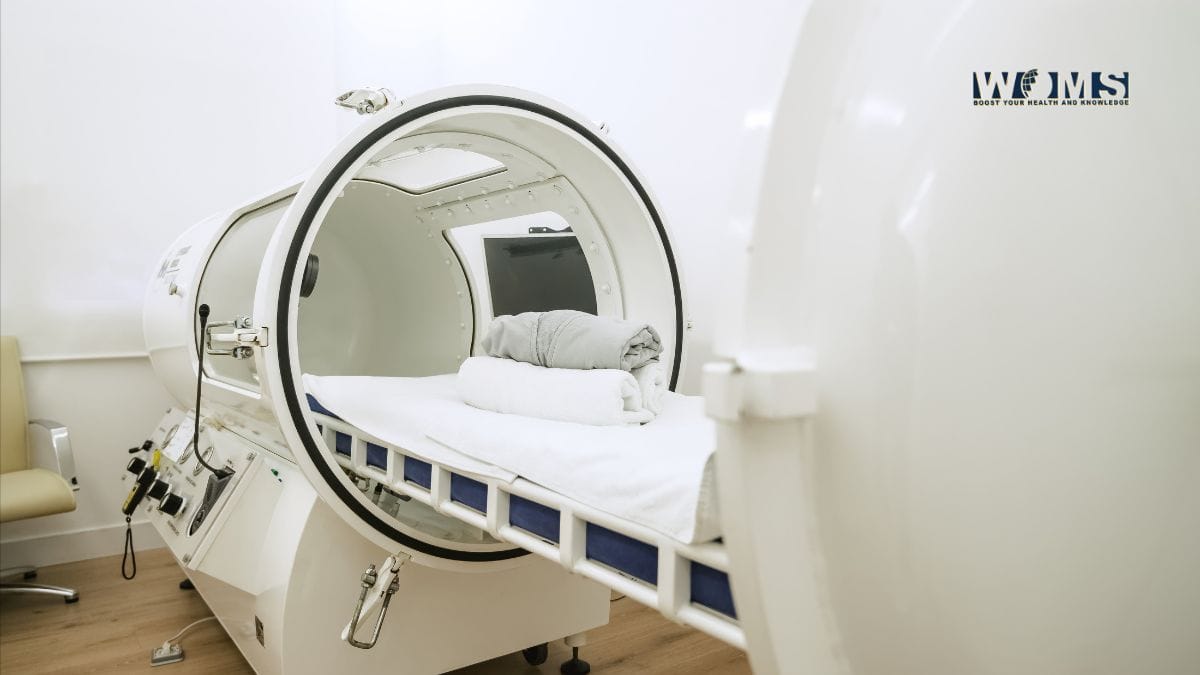
Hyperbaric oxygen therapy (HBOT) is gaining recognition as a valuable tool for accelerating healing and managing certain medical conditions. It involves breathing pure oxygen in a pressurized environment, delivering considerably higher oxygen levels to your tissues than normal air pressure allows. As of late 2024, research continues to expand our understanding of its potential benefits, but it’s crucial to understand who can-and cannot-safely undergo this treatment.
Who Should avoid HBOT?
Like any medical intervention, HBOT isn’t universally suitable. Certain pre-existing conditions pose significant risks. A pneumothorax, or collapsed lung, is a definitive contraindication. The increased oxygen concentration and pressure within the hyperbaric chamber can exacerbate air leakage from the lungs,potentially leading to life-threatening complications. This condition must be fully resolved before considering HBOT.
Other health concerns require careful evaluation before HBOT can be deemed safe. Here’s a breakdown of conditions that warrant thorough assessment:
- Chronic obstructive pulmonary disease (COPD)
- Asthma or other pulmonary conditions with a risk of lung collapse
- Presence of implanted medical devices, regardless of their stated pressure tolerance
- Active high fever or a history of epilepsy
- Congestion in the ears or nasal passages
- Claustrophobia – a severe fear of enclosed spaces
- Recent eye or chest surgery
- Use of insulin for diabetes management, and potential for hypoglycemia
- Current or recent substance use, including illicit drugs
Your healthcare provider will meticulously review your medication list.Certain drugs, such as doxorubicin, bleomycin, and disulfiram, are known to increase the risk of oxygen toxicity. You may need to temporarily discontinue these medications several hours or even weeks before your HBOT sessions.
What to Expect During Your session
Preparing for a hyperbaric oxygen therapy session is relatively straightforward. A few simple precautions can significantly enhance your experience and safety.
First, it’s generally advisable to avoid applying skincare products before treatment. The oil content in these products presents a fire hazard in the oxygen-rich environment of the chamber. Clinics maintain strict protocols to minimize fire risk, typically prohibiting patients from bringing anything inside except a water bottle.
Given that a session can last an hour or more, it’s wise to eat a light meal and use the restroom beforehand. While sessions can be paused for emergencies or discomfort, an uninterrupted session maximizes the therapeutic effects.
Diet plays a role in optimizing your HBOT experience. Professionals often recommend a balanced diet while avoiding foods that promote gas buildup, such as those high in sugar and starch.Similarly, it’s best to avoid carbonated beverages. drinking through a straw can also introduce excess air, so sipping directly from a glass is preferable.
Pressure changes within the chamber can cause barotrauma, a sensation of fullness or pressure in your ears. Many clinics provide instructions on techniques to equalize the pressure. If you don’t receive these instructions, don’t hesitate to ask the attending operator before or during your session.
Did You Know? the use of hyperbaric oxygen therapy dates back to the late 19th century, initially used to treat decompression sickness in divers.Its applications have expanded significantly as then.
natural Healing With Oxygen
HBOT represents a natural approach to supporting your body’s healing processes by increasing oxygen delivery to cells. While the FDA-approved conditions for HBOT remain relatively limited, ongoing research is continually uncovering new potential applications.A recent study published in Frontiers in Medicine (November 2024) highlighted promising results in using HBOT to improve wound healing in diabetic patients. Discuss with your healthcare provider to determine if HBOT is a suitable option for your specific needs.
| Condition | HBOT Suitability | notes |
|---|---|---|
| Pneumothorax | Contraindicated | Must be resolved before treatment. |
| COPD | Requires Assessment | Severity and control of the condition are key factors. |
| Asthma | Requires Assessment | Risk of lung collapse needs evaluation. |
| Diabetes | Potentially Beneficial | Can aid wound healing and nerve damage. |
Pro Tip: Open communication with your healthcare team is paramount. Be sure to disclose all medical conditions and medications you are taking.
I’ve found that many patients are initially apprehensive about the idea of being in a pressurized chamber. However, most describe the experience as surprisingly comfortable and relaxing. The key is to find a reputable clinic with experienced and compassionate staff.
Here’s what works best for preparing patients: clear explanations, a tour of the facility, and a chance to ask questions. Addressing anxieties upfront can make a significant difference in their overall experience.
Ultimately, hyperbaric oxygen therapy offers a compelling avenue for supporting natural healing processes. As research continues to evolve, its role in modern medicine is likely to expand, offering hope for improved outcomes in a wider range of conditions.
Frequently Asked Questions About Hyperbaric Oxygen Therapy
- What is hyperbaric oxygen therapy? HBOT is a treatment that involves breathing pure oxygen in a pressurized chamber, increasing oxygen levels in your tissues.
- Is HBOT safe for everyone? No, certain conditions like a collapsed lung make HBOT unsafe. A thorough medical evaluation is essential.
- What should I wear during an HBOT session? Wear comfortable, cotton clothing. Avoid synthetic fabrics, lotions, and jewelry.
- How long does an HBOT session last? Sessions typically range from 60 to 90 minutes, but can vary depending on your individual treatment plan.
- are there any side effects of HBOT? Common side effects are mild and temporary, such as ear discomfort or sinus congestion.Serious side effects are rare.
- Can HBOT help with wound healing? Yes, HBOT is FDA-approved for treating certain types of wounds, particularly those that haven’t responded to conventional treatment.
- How can I find a qualified HBOT provider? Look for a clinic with certified hyperbaric technicians and physicians experienced in HBOT.
If you’re considering hyperbaric oxygen therapy,remember that a personalized approach is crucial. Discuss your medical history and treatment goals with a qualified healthcare professional to determine if HBOT is the right choice for you.The potential benefits of increased oxygenation can be transformative, but safety and careful evaluation are paramount.
Worth a look