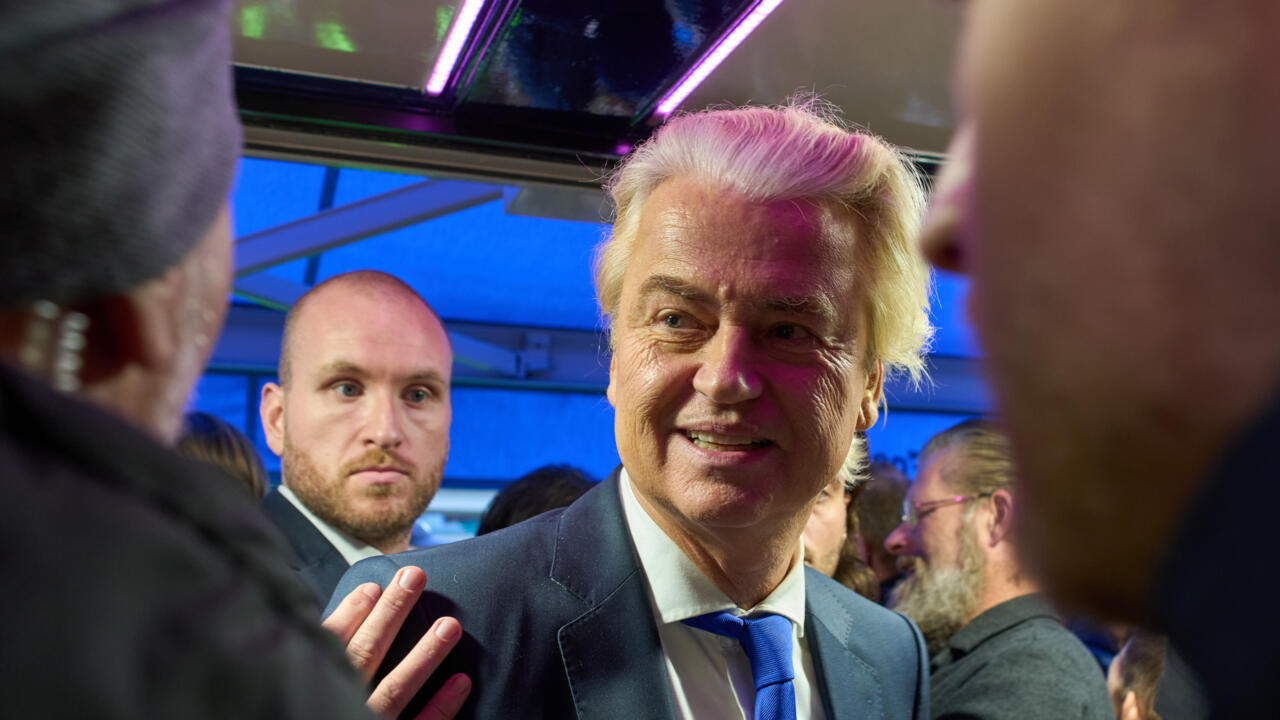
Netherlands Election: Wilders Leads, But a Path to Power Remains Uncertain
The Netherlands heads to the polls today in a closely watched election, with right-wing populist Geert Wilders and his Party for Freedom (PVV) currently leading in the polls. However, a victory for Wilders doesn’t automatically translate to a position as Prime Minister. This article breaks down the key factors at play, the potential outcomes, and what this election means for the future of Dutch politics and European policy.
What’s Driving the Election?
Dutch voters are grappling with familiar concerns: immigration, the cost of living, and housing shortages. These issues have fueled support for Wilders, whose anti-Islam rhetoric and hardline stance on immigration resonate with a segment of the electorate. Yet, the Dutch political landscape is fragmented, making coalition building a complex and often lengthy process.
The Key Players
Here’s a look at the major parties vying for power:
* PVV (Party for Freedom): Led by Geert Wilders, advocating for strict immigration controls, reduced EU influence, and prioritizing Dutch citizens.
* VVD (People’s Party for Freedom and Democracy): The center-right incumbent party, traditionally focused on economic liberalism.
* Christian Democrats (CDA): A center-right party emphasizing customary values and social responsibility.
* D66 (Democrats 66): A centrist, progressive party prioritizing education, housing, and climate action.
* Labour-Green Left (PvdA-GroenLinks): A left-leaning alliance focused on social justice, environmental protection, and affordable housing.
Wilders’ Position: Strong Support, Significant Hurdles
Wilders has campaigned on a platform of drastically reducing immigration, even proposing measures that would likely violate EU treaties. He’s also called for sending male Ukrainian refugees back to Ukraine and cutting growth aid. Despite his strong showing in polls, a significant challenge remains: most mainstream parties have already ruled out forming a coalition with him.
This means Wilders would need an unexpectedly large victory to overcome this resistance. Even then, forming a stable government would be a monumental task.
The Coalition Conundrum
Dutch elections rarely result in a single party winning a majority. Instead, complex negotiations follow, as parties attempt to forge a coalition that can command a majority in parliament. These talks can take weeks, even months, and often involve significant compromises.
Currently, the VVD, CDA, and D66 have all publicly stated they won’t partner with Wilders. This substantially narrows his path to power.
What Voters Are saying
The mood among voters is mixed.In towns like Volendam, a traditional Wilders stronghold, some remain loyal despite the previous government’s failure to deliver on promises of tougher immigration policies.
“We need to be able to take care of ourselves, and that’s why I’m voting for PVV. Our own people first,” said jaap Schilder, a local fish shop owner.
Tho, others express concern about Wilders’ rhetoric and his admiration for figures like Donald Trump.
“I wouldn’t sleep well at night,” said Greta Blakborn, a Volendam pensioner, expressing her anxieties about a potential Wilders victory.
A Shift in Momentum?
Recent polling suggests wilders’ support may be waning. This could be due to voter frustration with the instability of the last coalition government, or unease with his more extreme positions.
The rise of the centrist D66, led by Rob Jetten, is also noteworthy. Jetten’s positive messaging and focus on practical issues like housing and education are resonating with voters. The Christian Democrats, under new leadership, are also gaining traction by emphasizing government stability and traditional values.
What to Expect Tonight and Beyond
Polling stations opened as early as 6:30 a.m. local time and will close at 9 p.m. The first exit poll, historically accurate, will be released immediately after voting ends.
Even if Wilders secures the most votes and seats, experts like Henk van der Kolk, a professor of electoral politics at the University of Amsterdam, believe he’s unlikely to become Prime Minister.”He will probably not get into the coalition,” van der Kolk stated.
**The Broader
Worth a look