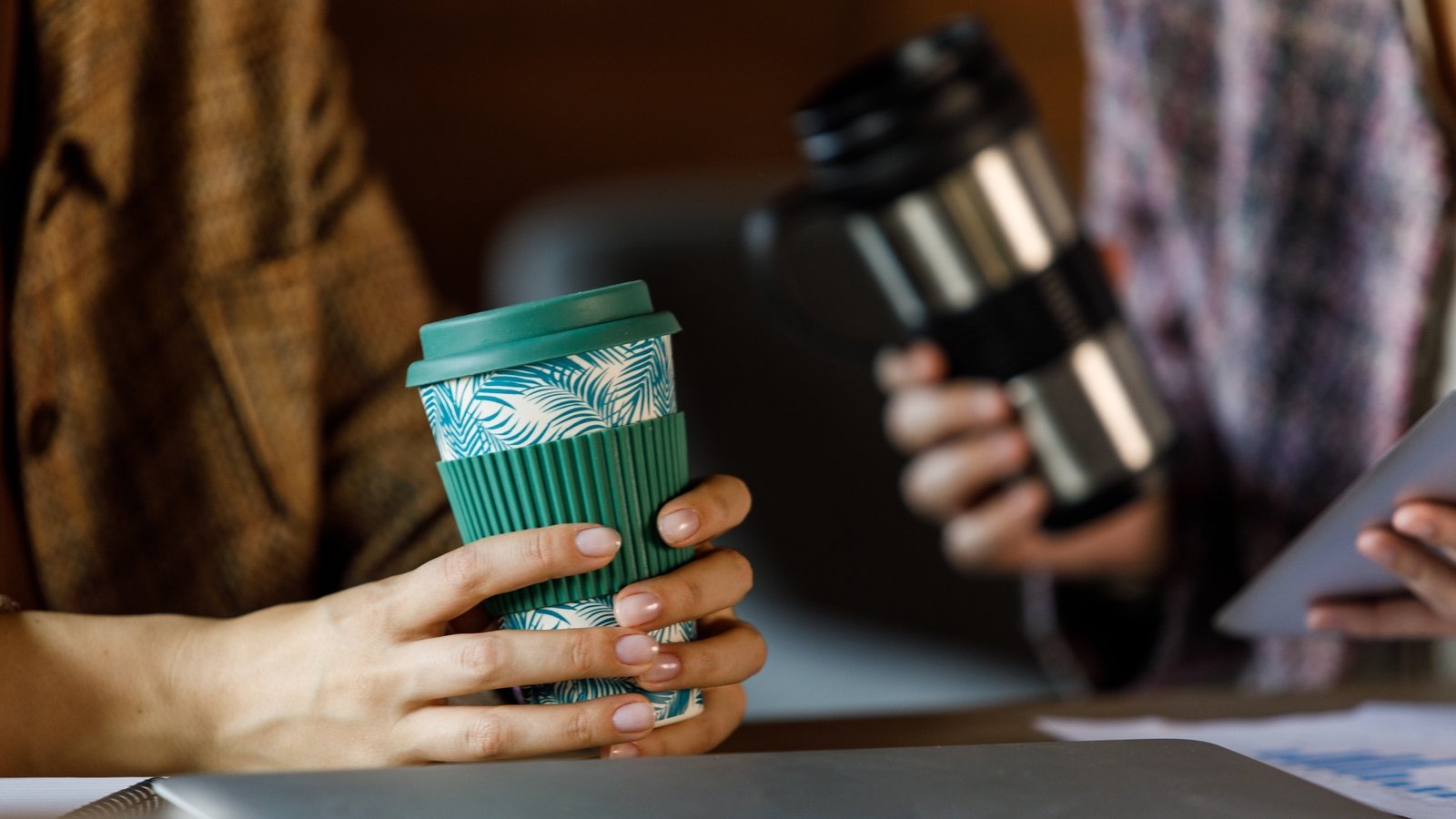
the Reusable Cup Paradox: Why Your Good Intentions Might Be Backfiring
We all want to be eco-conscious. Grabbing a reusable coffee cup feels like a simple win for the planet. But a growing body of evidence suggests this well-intentioned habit might be creating a new environmental problem: overconsumption of reusable cups themselves. Let’s dive into the complexities and explore how we can truly make a difference.
The Problem with “Reusable”
The core issue isn’t the concept of reusability,but how we approach it. Experts at Columbia University’s Climate School are highlighting a concerning trend. We’re treating reusable cups less like durable goods and more like collectible items.
Here’s what’s happening:
* Over-accumulation: Many of us have a drawer overflowing with reusable cups, frequently enough acquired through promotions or simply as they “looked nice.”
* Low Usage: Despite owning multiple cups, a surprisingly small percentage are used regularly.Studies show that seven in ten people in Ireland own a reusable cup, yet only one in ten actually use it consistently.
* Manufacturing Impact: Even reusable cups have an environmental footprint. Production, transportation, and eventual recycling all consume resources.
“Companies should be making and marketing reusable cups as products to last decades, not as collector’s items,” says Professor Goldmark of columbia University. Dr.Milà i Canals agrees, emphasizing the importance of considering the total cost of a reusable cup - from creation to disposal.
Beyond the Cup: A Systemic Issue
The problem extends beyond individual behaviour.It’s a cultural one, and experts believe a essential shift is needed, driven by policy. Simply encouraging reuse isn’t enough.
The United Nations Surroundings programme (UNEP) notes a critically important rise in coffee consumption outside the home, creating a pressing need for effective regulations. Without them, reusable cup initiatives risk becoming mere “tick-box exercises.”
Innovative Solutions Gaining Traction
Fortunately, businesses and communities are experimenting with solutions to address this paradox. Here are a few approaches:
* Deposit Return Schemes: Companies like 2GoCup are implementing systems where you pay a small deposit (€2 in Ireland) for a cup and get it back upon return. This incentivizes reuse and reduces waste.
* Borrowing Systems: Vytal Ireland allows you to borrow cups from participating cafes and return them within 14 days, with a penalty for non-return. This creates a circular system.
* Design for Utility, not Aesthetics: 2GoCup intentionally uses neutral colors to discourage impulse purchases based on appearance. Keep Cup, a leading brand, also acknowledges the issue of overconsumption and encourages consumers to “buy one…don’t collect multiples.”
* Local Initiatives: In Killarney, Ireland, a local coffee cup project has already achieved a 50% reduction in paper cup waste. Business owner Johnny Maguire advocates for a “latte levy” – a small charge for disposable cups, similar to the successful plastic bag levy.
What Can You Do?
you can be part of the solution. Here’s how:
- Assess Your Collection: How many reusable cups do you really need? Donate the extras.
- Commit to Regular Use: Make using your chosen cup a habit. Keep it visible – in your car, by your keys, or at your workstation.
- Support Deposit/Borrowing Systems: Choose cafes that participate in these programs.
- Advocate for policy Change: support initiatives like latte levies that incentivize sustainable behavior.
- Prioritize Durability: When purchasing, choose a well-made cup designed to last.
The Bottom Line
Reusable cups are better for the environment than single-use options – if they are actually used. The key is to move beyond simply acquiring them and focus on consistent, mindful reuse.It’s time to rethink our relationship with these everyday items and demand systemic changes that support a truly sustainable coffee culture.
Further reading:
* [RTE News: Killarney Cup Waste Project](https://www.rte.ie/news/regional/2023/0
Worth a look