Hurricane Melissa: A Climate-Fueled Disaster Impacts the Caribbean
Hurricane Melissa, a Category 5 storm with sustained winds reaching nearly 185 mph (295 km/h), has unleashed devastating impacts across the Caribbean.Jamaica bore the initial brunt of the storm, while Cuba and the Bahamas brace for its arrival. This article provides a comprehensive overview of the situation, the escalating role of climate change in intensifying such events, and the ongoing relief efforts.
Jamaica Under siege
The hurricane made landfall in Jamaica, bringing torrential rainfall, perilous storm surges, and widespread destruction. While residents in the capital, Kingston, considered themselves blessed, concerns are mounting for those in more rural areas.A local resident, 31, shared these anxieties with Agence France-Presse, highlighting the uneven distribution of risk.
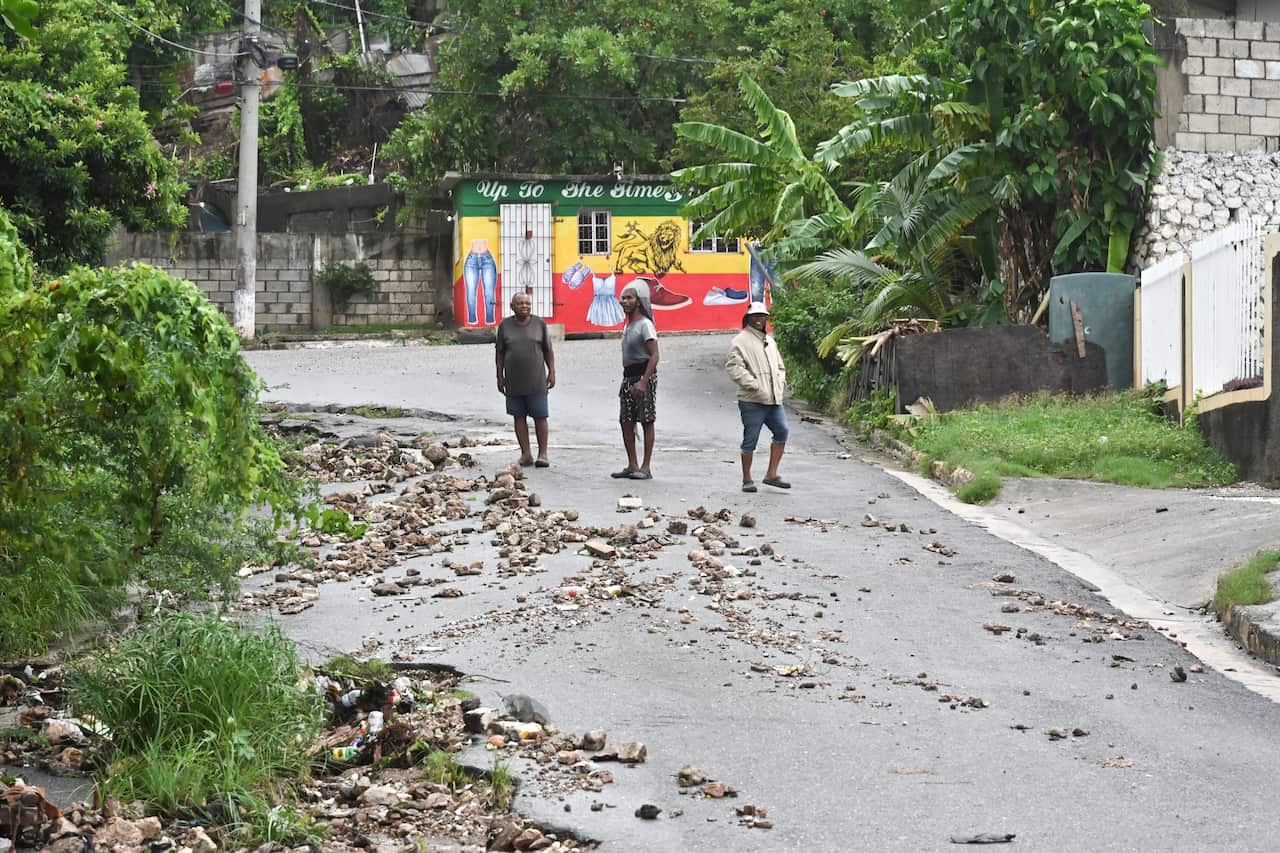
The scale of devastation is prompting comparisons to some of the most catastrophic hurricanes in recent history, including Katrina, Maria, and Harvey. Images emerging from the island reveal roads blocked by debris and fallen trees, illustrating the immediate impact.
!Three people stand on a road covered with debris and fallen trees.
Hurricane MelissaS impact in Jamaica. Source: AAP / Rudolph Brown / EPA
The Looming Threat to Cuba and the Bahamas
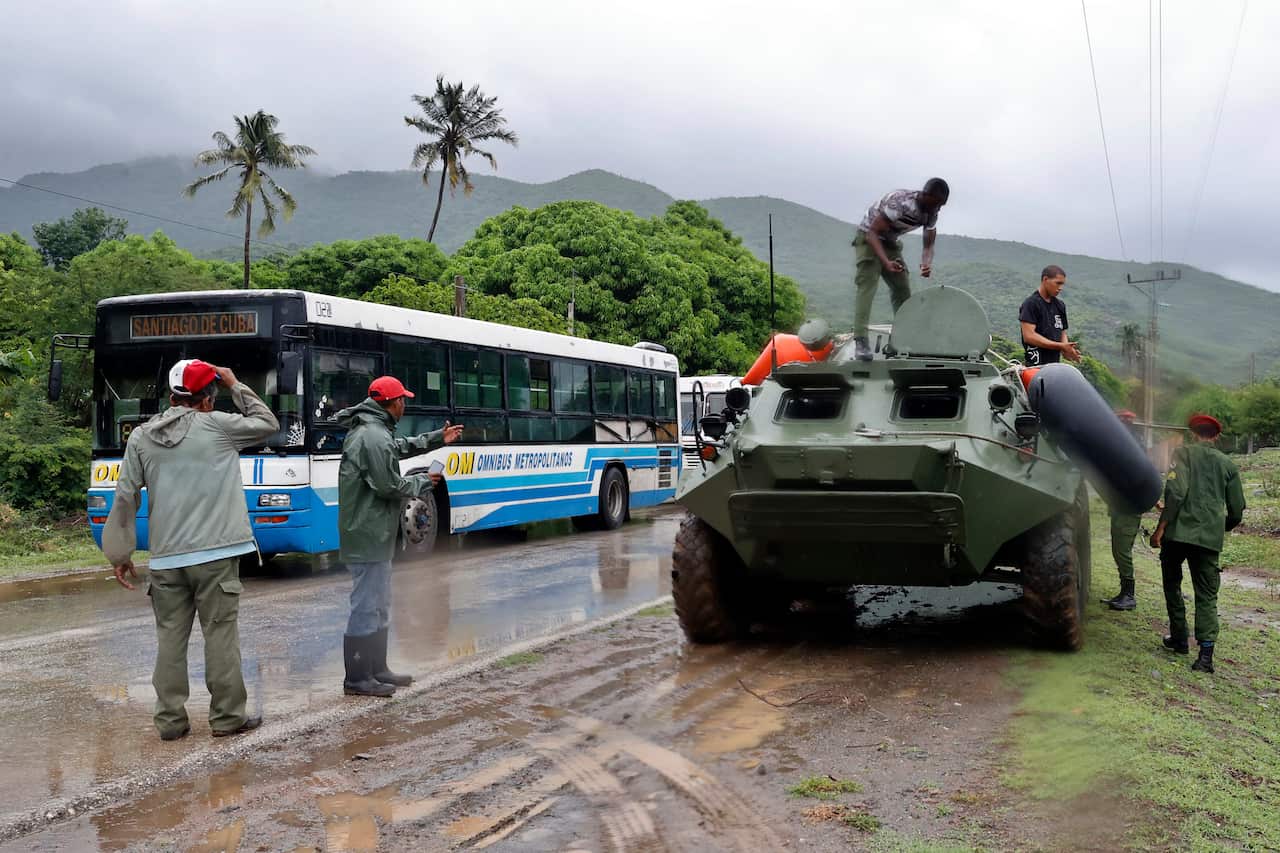
Following jamaica, Hurricane Melissa is forecast to strike Cuba Wednesday night, with the Bahamas in its path afterward.Preparations are underway in both nations, but the storm’s intensity and slow movement pose notable challenges. the prolonged rainfall, in particular, is exacerbating anxieties and the potential for widespread flooding.
Climate Change: The Intensifying Factor
The increasing frequency and intensity of storms like Melissa are directly linked to human-driven climate change. Broad scientific consensus confirms this connection. As climate scientist Daniel Gilford explains, “Human-caused climate change is making all of the worst aspects of Hurricane Melissa even worse.”
Here’s how climate change is contributing:
* Warmer Ocean Temperatures: fueling storm intensity.
* Increased Moisture: Leading to heavier rainfall and flooding.
* slower Storm Movement: Prolonging the duration of impacts.
You’re witnessing firsthand how a changing climate amplifies existing risks and creates new vulnerabilities.
Relief Efforts Mobilize
Responding to the crisis, several organizations are working to provide immediate assistance.
* Jamaican Red Cross: Distributing essential supplies like drinking water and hygiene kits before infrastructure is compromised.
* GEM (Global Emergency Mission): A US-based humanitarian organization, is mobilizing a rapid disaster relief operation.
* United Nations: Planning an airlift of approximately 2,000 relief kits from Barbados to Jamaica as soon as air travel is safe.Assistance is also being planned for Cuba and Haiti.
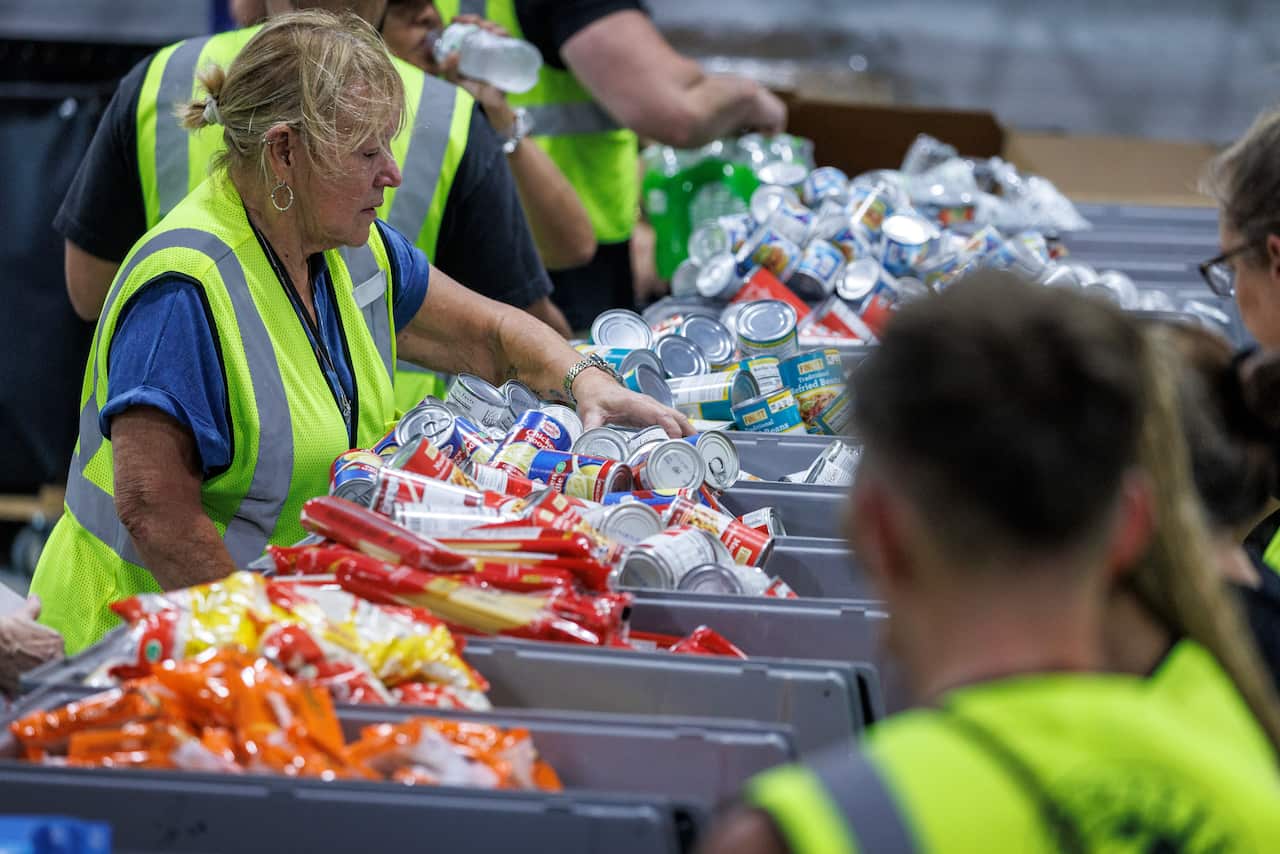
!Volunteers in hi vis jackets are sorting aid into boxes.
Aid mobilization for Hurricane Melissa victims. Source: AAP / Christobal Herrera-Ulashkevich / EPA
Approximately 25,000 tourists were in Jamaica when the storm hit, adding another layer of complexity to the response. The nation, renowned for its gorgeous waters, now faces a significant recovery challenge.
A Nation’s Plea
Even Jamaica’s most famous figures are appealing for support. Olympian Usain Bolt has been actively using social media to share messages of hope and encourage prayers for his homeland. “Pray for Jamaica,” he posted, echoing the sentiments of a nation facing a formidable challenge.
Staying Informed
As Hurricane Melissa continues its path, staying informed is crucial. You can find the
Worth a look