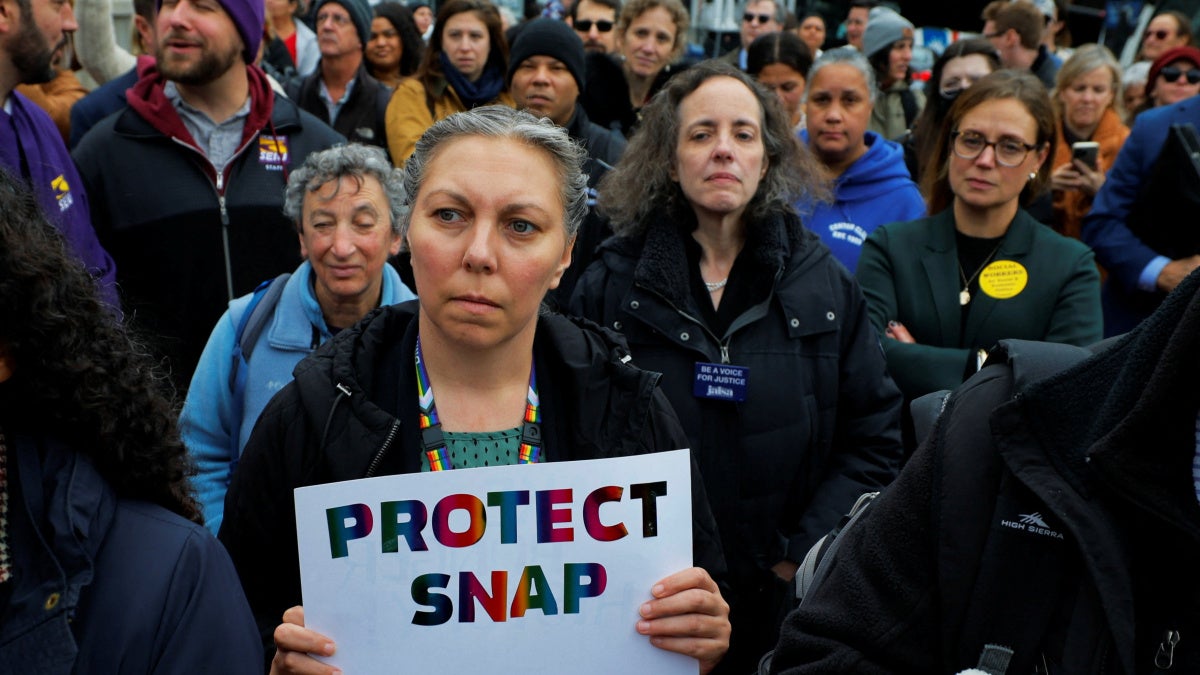
SNAP Benefits at Risk: Shutdown & Funding Cuts Threaten food Security for Millions
The recent government shutdown, beginning October 1st, has thrown the future of food assistance for over 42 million Americans into uncertainty. A legal challenge has already deemed the suspension of SNAP (Supplemental Nutrition Assistance Program) funds “unlawful,” yet the situation remains precarious. As a long-time advocate for social safety nets, I want to break down what’s happening, why it matters to you, and what it means for the future of food security in the United States.
Understanding SNAP & Its Importance
SNAP, frequently enough referred to as “food stamps,” is the nation’s largest program fighting hunger. It provides crucial support to households earning below specific income limits. Contrary to common misconceptions, the majority of SNAP recipients aren’t unemployed. In fact, most are working families who simply don’t earn enough to consistently afford essential expenses.
Here’s why SNAP is so vital:
* Improved Nutrition: Studies consistently demonstrate that SNAP access leads to healthier diets.
* Better Health outcomes: Access to consistent food assistance is linked to reduced healthcare costs and improved overall health.
* Economic Stability: SNAP benefits inject money into local economies, supporting grocery stores and food producers.
The Shutdown & The Contingency fund Dispute
The current impasse stems from Congress’s inability to agree on a federal funding plan. The USDA, responsible for administering SNAP, has controversially decided not to utilize a $5 billion contingency fund specifically earmarked for situations like this.
This decision is especially concerning becuase:
* It contradicts previous USDA guidance. The agency previously indicated these funds could be used to maintain benefits during a shutdown.
* It ignores expert advice. The Government Accountability Office (GAO), Congress’s independent watchdog, explicitly stated the contingency fund was available for this purpose in a 2019 report.
* It puts millions at risk. Delaying or reducing benefits creates immediate hardship for vulnerable families.
The OBBBA & long-Term Funding Cuts
The situation is further complicated by the One Big Beautiful Bill act (OBBBA), passed in July. while seemingly innocuous, this legislation significantly reduced funding for vital social programs – including SNAP – to finance tax cuts primarily benefiting wealthy individuals and corporations.
The consequences are stark:
* $187 Billion Cut: The Congressional Budget Office estimates SNAP funding will be slashed by $187 billion over the next decade.
* existing Shortfalls: These cuts come despite long-standing concerns that current benefit levels are already inadequate to meet the needs of many families.
* Increased Poverty Risk: Reduced support will inevitably push more individuals and families into food insecurity and poverty.
A Global Outlook: The Warning from the UN
The implications of these cuts extend beyond immediate economic hardship. A recent report from the United Nations’ expert on extreme poverty and human rights warns that reducing social protections can erode public trust in government and, alarmingly, fuel the rise of far-right populism. This highlights the broader societal impact of neglecting the needs of vulnerable populations.
What Needs to Happen Now
the current situation is unacceptable. As someone who has dedicated their career to advocating for equitable access to basic necessities, I urge the Trump administration and Congress to take immediate action.
Specifically, they must:
* Allocate necessary funds: Immediately release the $5 billion contingency fund to maintain SNAP benefits during the shutdown.
* Re-evaluate the OBBBA: Reconsider the damaging cuts to SNAP and other social programs enacted through the OBBBA.
* Prioritize food security: Recognize that access to food is a basic human right, not a bargaining chip in political maneuvering.
You deserve access to the resources you need to thrive. Your ability to feed your family shoudl not be held hostage by political gridlock. Let’s demand that our elected officials prioritize the well-being of all Americans and ensure that no one is left behind.
Resources for More Information:
* [CBPP – A Closer Look at Who Benefits from SNAP](https://www.cbpp.org/research/food-assistance/a-closer-look-at-who-benefits-from-snap-state-by