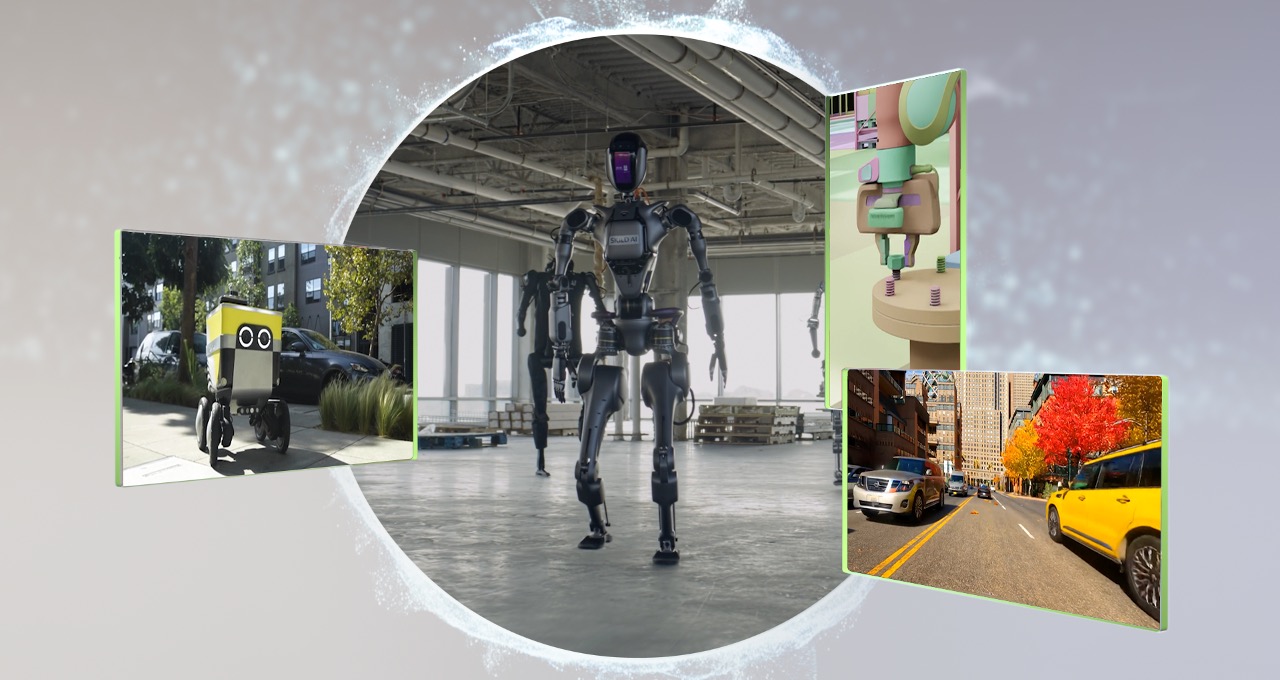
Building a Smarter Future with Synthetic Data and Cable Handling AI
Are you working on robotics, automation, or any application requiring precise cable manipulation? Training AI to reliably detect and interact with cables in the real world presents unique challenges. Real-world data collection is expensive, time-consuming, and often lacks the variety needed for robust AI models. Fortunately, a powerful solution is emerging: synthetic data generation.
The Power of Simulation for Robotics
Synthetic data, created in a simulated environment, offers a compelling alternative. It allows you to generate vast datasets with perfect ground truth – meaning the AI ”knows” exactly what it’s looking at.This is particularly valuable for tasks like cable detection and handling, where variations in lighting, cable type, and background clutter can substantially impact performance.
One exciting development involves creating a specialized synthetic data synthesizer. This tool builds realistic cable models based on actual manufacturer specifications. Imagine being able to train your AI on every conceivable cable type, configuration, and scenario – all without ever touching a physical cable.
Isaac Sim and Cosmos Transfer: A Winning Combination
This synthetic data generation leverages the capabilities of Isaac Sim, a powerful robotics simulation platform. Isaac Sim provides a physically accurate environment for simulating cable interactions.
But realism is key. That’s where Cosmos Transfer comes in. It bridges the gap between the simulated and real worlds, enhancing the synthetic data with photorealistic rendering. The result? Training datasets that look and feel like the real world, leading to AI models that perform exceptionally well in deployment.
Why Synthetic Data Matters for Cable Handling
Consider the complexities involved in robotic cable assembly, inspection, or repair. Your AI needs to:
* Identify cables amidst a cluttered environment.
* Distinguish between different cable types (power, data, fiber optic, etc.).
* Understand cable pose and orientation for accurate grasping and manipulation.
* Adapt to variations in cable color,material,and wear.
Synthetic data allows you to systematically address each of these challenges. You can create scenarios that specifically target areas where your AI struggles,accelerating the learning process and improving overall performance.
OpenUSD: The Foundation for Interoperability
The future of 3D and simulation relies on open standards. OpenUSD (Global Scene Description) is rapidly becoming the industry standard for describing, composing, and augmenting 3D worlds.
It enables seamless data exchange between different tools and platforms, fostering collaboration and innovation. By embracing OpenUSD,you can ensure your synthetic data and AI models are future-proof and easily integrated into your workflows.
Stay Connected and Explore Further
Are you eager to learn more about OpenUSD, Cosmos, and the potential of synthetic data for physical AI? Hear are some resources to get you started:
* Join the vibrant community surrounding OpenUSD and share your insights.
* explore the Alliance for OpenUSD forum for discussions and best practices.
* Stay informed about the latest advancements in Omniverse and related technologies.
* Connect with fellow innovators on social media platforms like Discord, Instagram, LinkedIn, Threads, X, and YouTube.
Synthetic data is not just a trend; it’s a essential shift in how we develop and deploy AI for robotics and automation.By embracing these technologies, you can unlock new levels of performance, efficiency, and reliability in your applications.