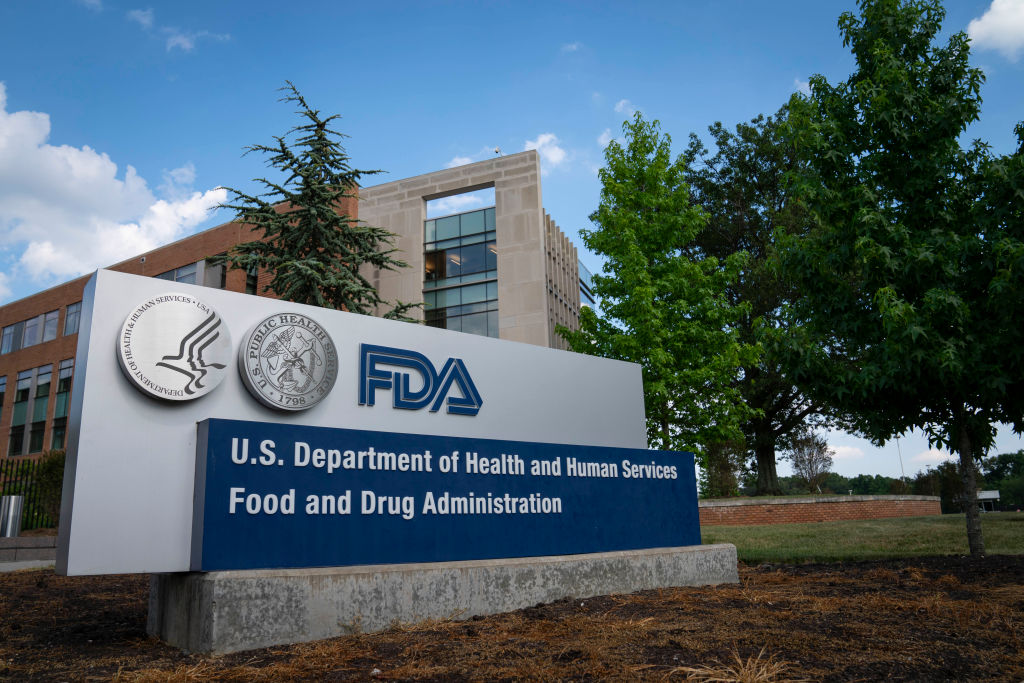
FDA Proposes Streamlined Biosimilar Pathway, Aiming to Lower Healthcare Costs & Increase Access
The Food and Drug Administration (FDA) recently unveiled draft guidance poised to significantly accelerate the approval of biosimilars – highly similar, yet more affordable, alternatives to brand-name biologic drugs. This move addresses a critical bottleneck in the healthcare system,where a small percentage of drugs account for a disproportionately large share of spending,and promises significant cost savings for patients and the healthcare system alike.
Understanding Biosimilars & the Current Challenges
Biologic drugs, derived from living organisms, are frequently enough used to treat complex conditions like cancer, autoimmune diseases, and rare disorders. They represent a critically important advancement in medicine, but come with a hefty price tag.Biosimilars offer a pathway to increased access by providing comparable therapeutic effects at a lower cost.
However, the current regulatory pathway for biosimilar approval has been a hurdle. unlike generic drugs, which only require demonstrating bioequivalence (identical absorption and delivery in the body) to the original, biosimilars have historically been required to undergo extensive and costly comparative efficacy studies (CES). These studies, averaging $24 million and taking up to three years to complete, aim to prove the biosimilar is as effective as the original biologic. This lengthy process delays patient access to more affordable options and maintains the dominance of expensive brand-name drugs.
The FDA’s New Approach: Prioritizing Advanced Analytical Testing
The FDA’s proposed guidance represents a significant shift in strategy. Instead of mandating CES in many cases, the agency now proposes allowing biosimilar manufacturers to rely more heavily on complex comparative analytical assessments (CAA).
“The FDA has gained significant experience in evaluating analytical differences between proposed biosimilars and their reference products,” the draft guidance states. modern analytical technologies can now meticulously characterize the structure and function of these complex molecules, frequently enough with greater sensitivity than clinical trials.A CAA can effectively identify any differences that might impact clinical performance, potentially eliminating the need for lengthy and expensive CES.
Rethinking Interchangeability Studies
The FDA is also re-evaluating the need for “switching studies” - additional clinical trials required for biosimilars seeking interchangeability with the reference product. Interchangeability allows a pharmacist to substitute the biosimilar for the brand-name drug without requiring a physician’s approval. While intended to ensure patient safety, the FDA now believes these studies can unnecessarily delay progress and create confusion. The agency generally does not recommend these additional tests moving forward.
The Potential Impact: Lower Costs & Increased competition
This streamlined pathway has the potential to unlock significant savings. Biologic drugs currently account for 51% of total U.S. drug spending, despite representing only 5% of prescriptions. The launch of lower-cost Humira biosimilars in 2023 is a prime example of the potential impact.
As FDA Commissioner Marty Makary stated, “By streamlining the biosimilar development process and helping advance interchangeability, we can achieve massive cost reductions for advanced treatments for cancer, autoimmune diseases, and rare disorders affecting millions of Americans.”
currently, only about 10% of biologic drugs expected to lose patent protection in the next decade have a biosimilar in development. The FDA hopes this new guidance will incentivize more manufacturers to enter the biosimilar market, fostering greater competition and driving down prices. To date, the FDA has approved 76 biosimilars, but the potential for growth remains substantial.
Building on Momentum: A Broader initiative for Generic & Biosimilar Access
This declaration builds on the FDA’s broader initiative to improve access to affordable medicines. Earlier in October,the agency launched a pilot program to expedite the review of generic drugs manufactured in the U.S. using domestically sourced ingredients. These efforts demonstrate a clear commitment to strengthening the domestic pharmaceutical supply chain and lowering healthcare costs.
Have Your say: Public Comment Period
The draft guidance, titled “Scientific Considerations in demonstrating Biosimilarity to a Reference Product: Updated Recommendations for Assessing the Need for Comparative Effectiveness Studies,” is open for public comment for the next 60 days. Interested parties can submit electronic comments through Regulations.gov.
Key Takeaways:
* Streamlined Approval: The FDA proposes reducing reliance on costly clinical trials for biosimilar approval.
* Analytical focus: Emphasis will shift to advanced analytical testing to demonstrate biosimilarity.
* Reduced Barriers: The agency is questioning the necessity of additional “switching studies” for interchangeability.
* Cost Savings: This initiative aims to lower healthcare costs and increase patient access to vital medications.
* Ongoing Commitment: The FDA is actively working to improve access to both generic and bios