
The Dayana Chisaguano Maleza Case: A Deep Dive into Deception and Homicide
The tragic death of 28-year-old Dayana Chisaguano Maleza, discovered near the Cedar hill Country Club in Livingston, New Jersey, on October 7th, has captivated public attention. This case isn’t simply a story of murder; it’s a chilling example of calculated deception following a violent act, raising critical questions about domestic violence, post-mortem manipulation, and the complexities of criminal inquiry. this article provides an in-depth analysis of the case, exploring the alleged actions of 35-year-old Andres Calvachi-Paz, the evidence presented by Essex County prosecutors, and the broader implications of such a disturbing crime.We will delve into the legal ramifications, investigative techniques, and the psychological factors potentially at play.
The Revelation and Initial Investigation
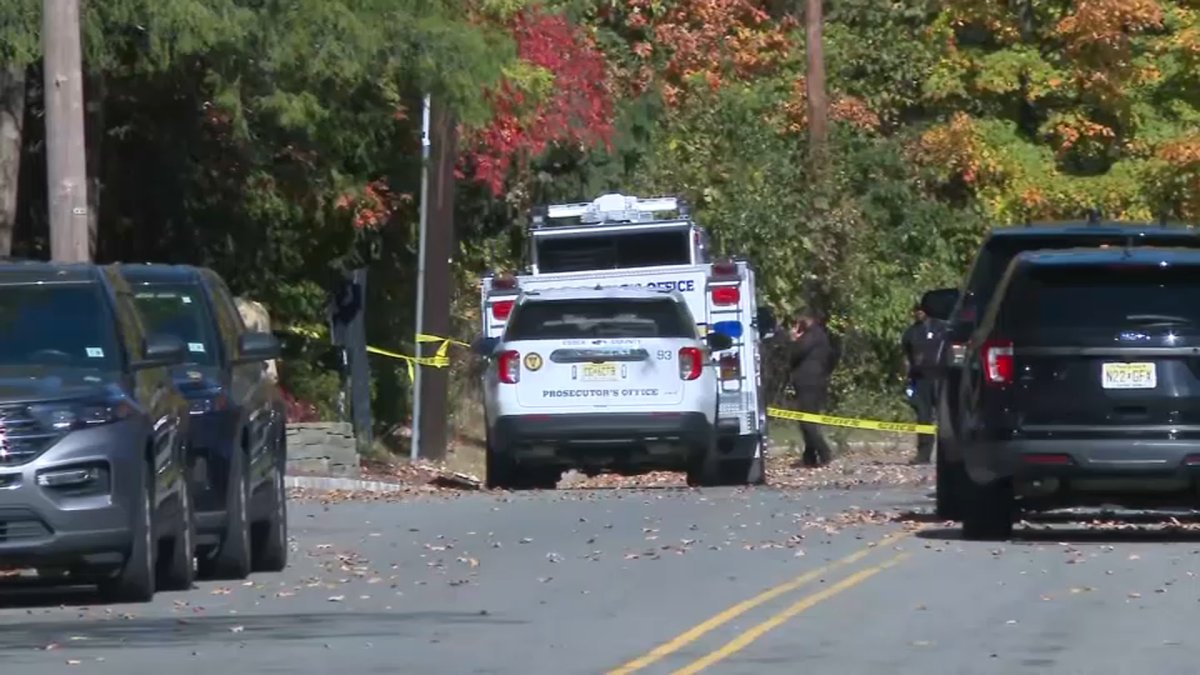
The discovery of Ms. Chisaguano Maleza’s body was made by a Cedar Hill Country Club employee who noticed a disturbing odor emanating from the wooded area adjacent to Walnut Street. This initial finding triggered a full-scale investigation led by the Essex County Prosecutor’s Office. The location itself – near a well-maintained golf course – presented a stark contrast to the grim reality of the discovery, immediately raising suspicions of foul play.
Did You Know? The initial discovery of a body frequently enough relies on keen observation by individuals in routine roles, like groundskeepers or maintenance staff. Their alertness is crucial in initiating the investigative process.
The immediate focus of the investigation centered on identifying the victim and determining the cause of death. Preliminary findings indicated the body had been there for a period of time, complicating the process of establishing a precise timeline. Forensic analysis, including a thorough examination of the scene and an autopsy, became paramount.
Allegations Against Andres Calvachi-Paz: A Pattern of deception
Essex County prosecutors have arrested Andres Calvachi-Paz, alleging his direct involvement in ms. Chisaguano Maleza’s death. The charges against him – first-degree murder, disturbing human remains, and theft - paint a disturbing picture of a calculated and deliberate act. The prosecution alleges that the murder stemmed from an argument during which ms. Chisaguano Maleza attempted to end her relationship with Calvachi-Paz.
The most unsettling aspect of this case, however, isn’t just the alleged act of violence, but the subsequent alleged attempts to conceal the crime and create the illusion that Ms. Chisaguano Maleza was still alive. Prosecutors claim Calvachi-Paz strangled Ms. Chisaguano Maleza in their Newark apartment, transported her body in his vehicle for several hours before abandoning it on Walnut Street, and then embarked on an elaborate scheme to deceive her family and friends.
This scheme reportedly involved sending messages and pictures from ms.Chisaguano Maleza’s phone, designed to mimic her continued existence. This manipulation is a particularly egregious element of the case, demonstrating a profound disregard for the victim’s loved ones and a calculated attempt to obstruct justice. Pro Tip: In cases involving potential deception, investigators will meticulously analyze digital forensics - phone records, social media activity, and online communications – to uncover discrepancies and establish a clear timeline.
Investigative Techniques and Forensic Evidence
The investigation into Ms. Chisaguano Maleza’s death likely involved a multi-faceted approach, utilizing a range of forensic techniques and investigative strategies. These include:
* Autopsy and Forensic Pathology: Determining the precise cause and time of death is crucial. Strangulation leaves specific physical indicators that forensic pathologists can identify.
* Digital Forensics: Analyzing Ms. Chisaguano Maleza’s phone, Calvachi-Paz’s devices, and any relevant electronic communications to uncover evidence of the alleged deception and establish a timeline. This includes examining metadata, deleted files, and location data.
* Trace Evidence Analysis: Examining the victim’s clothing, the vehicle, and the crime scene for microscopic evidence – fibers, hair, DNA – that could link Calvachi-Paz to the crime.
* Witness Interviews: Gathering statements from family, friends, neighbors, and anyone who may have had contact with Ms. Chisaguano Maleza or Calvachi-Paz.
* Surveillance Footage: Reviewing security camera footage from the surrounding area to track movements and corroborate witness statements.
The triumphant prosecution of this case will hinge on the strength of





