The Rising Cost of Home: How Refugee Influx is Reshaping Kampala’s Housing Market
Kampala, uganda, is experiencing a unique economic shift.A growing influx of refugees, particularly from Eritrea, Ethiopia, and Somalia, is injecting capital into the city’s economy. However, this growth isn’t without its challenges, especially when it comes to affordable housing for both refugees and long-term Ugandan residents.
This article delves into the complexities of Kampala’s changing housing landscape, exploring how increased demand is impacting rental prices and community dynamics. We’ll examine the perspectives of those directly affected – refugees, landlords, and local leaders – to understand the nuances of this evolving situation.
A Boost to the Economy, a Strain on Housing
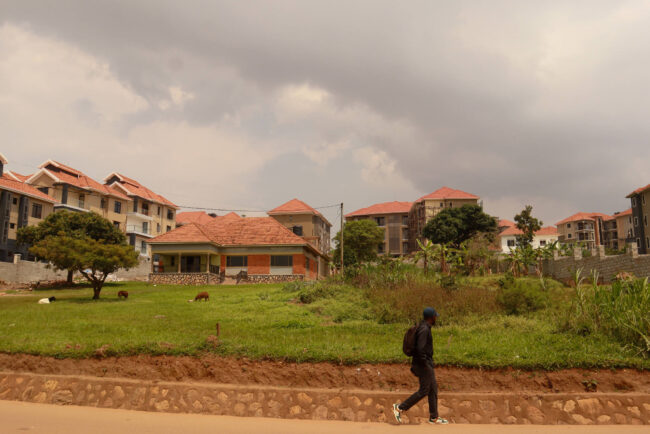
Kyanja, a rapidly developing suburb of Kampala, exemplifies this trend. New businesses, health centers, shopping malls, and schools are emerging, fueled by the increased economic activity. Yet, this progress comes at a cost.
The rising demand for housing is driving up rental prices, creating a competitive market where affordability is increasingly out of reach for many. You might be wondering how this impacts those already struggling to find suitable accommodation. Let’s explore the experiences of those navigating this new reality.
The Refugee Experience: Navigating a Competitive Market
warsame Elmi Abdirahman, a Somali student who sought refuge in Uganda in 2021, found initial success in securing housing. He works as an interpreter and initially shared a house with a Ugandan resident. However, he soon noticed a disturbing trend: escalating rent.
Warsame believes that the arrival of refugees with greater financial resources is contributing to the problem. He suggests that some landlords are prioritizing higher-paying tenants, effectively ”fueling the exploitation” of those with limited means. this raises a critical question: who benefits from this shift, and at what cost?
Landlords and Brokers: Shifting Duty
Katende Gordon, a landlord in Kansanga, offers a different perspective. He claims that real estate brokers are the primary drivers of rent increases. He used to charge fair prices to both Ugandans and refugees, but the situation changed when brokers began influencing market rates.
According to Gordon, brokers would actively seek out wealthier refugee tenants, urging him to increase prices and promising a higher commission.He felt pressured to comply, leading to a gradual but notable rise in rental costs.This highlights a potential lack of transparency and accountability within the rental market.
Community Impact: A Complex Blessing
Kamoga Grace, a local leader in Kyanja, acknowledges the mixed impact of the refugee influx. While she notes a degree of social isolation between refugees and Ugandans, she also recognizes the positive contributions to community development.
The arrival of refugees has spurred investment in essential services, making healthcare, education, and shopping more accessible to everyone. However, the lack of integration remains a concern. It’s crucial to foster greater understanding and collaboration between communities to maximize the benefits of this demographic shift.
Finding home and Building Memories
For Aisha, a refugee residing in Kyanja, a home represents more than just shelter. It’s a place of security,access to essential amenities,and a space for family celebrations. She recounts hosting her brother’s wedding at her home in July, as no restaurant could accommodate their cultural culinary needs.
Aisha believes her home comes at a fair cost, but her experience underscores the importance of affordable housing for building stable and thriving communities.it’s a testament to the human need for belonging and the power of a safe and welcoming environment.
Key Takeaways: Addressing the Challenges
The situation in Kampala reveals a complex interplay of economic forces, social dynamics, and individual experiences. Here’s a summary of the key challenges and potential solutions:
* Rising Rental Costs: Increased demand from refugees with greater financial resources is driving up prices, making housing unaffordable for many.
* Broker Influence: Real estate brokers might potentially be exacerbating the problem by prioritizing higher commissions and wealthier tenants.
* Limited Integration: A lack of social interaction between refugees and Ugandan residents hinders community cohesion.
* Need for Regulation: greater transparency and regulation
Keep reading
- Graveyard Season 3: Netflix Release Date, Cast, Trailer, and What to Expect
- Russia-Ukraine War Escalation: Deadly Airstrikes on Sumy and Kyiv, Patriot Missile Shortages, and New Tactics
- €4m Security Bill for Ukrainian Refugee Complex in Tipperary (world-today-news.com)
- RAP vs. IBR: What Your New Student Loan Bill Actually Costs (daybreakwire.com)