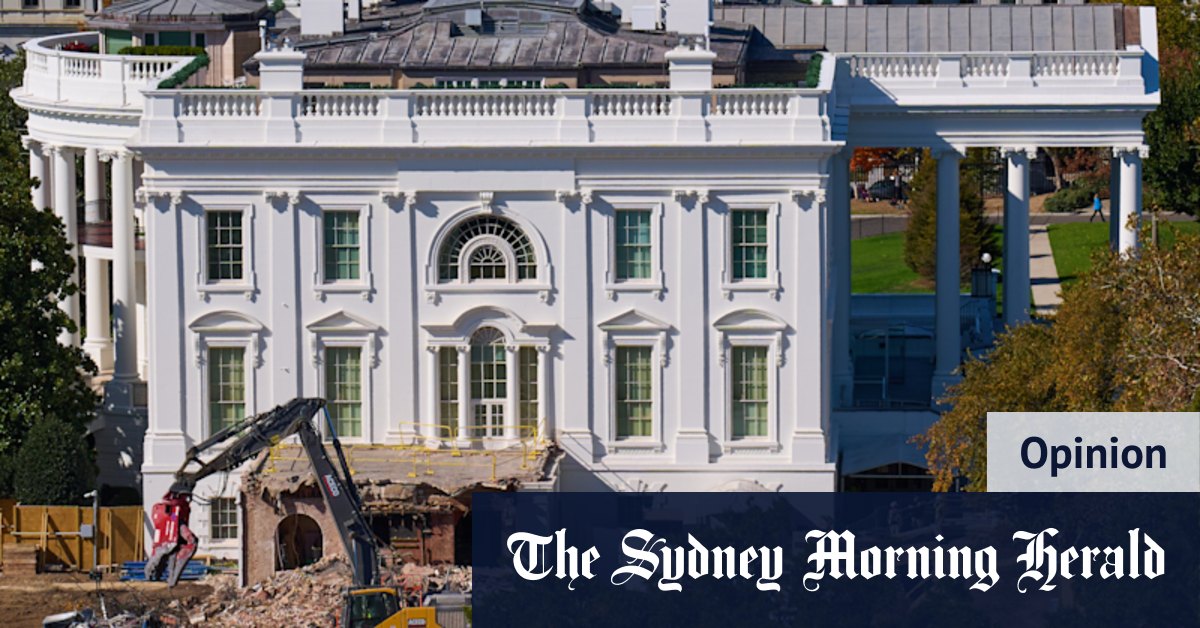
The White House Ballroom debate: Beyond Aesthetics, A Question of Precedent and Presidential Power
The ongoing discussion surrounding Donald Trump‘s planned construction of a new ballroom at the White House has, surprisingly, ignited a considerable debate. While much of the focus has been on the architectural implications – and the perceived audacity of the project – a deeper look reveals a confluence of practical needs, past precedent, and, crucially, a concerning disregard for constitutional norms that deserves far more scrutiny. As someone who’s spent decades observing and analyzing the workings of the Executive Branch, I believe the ballroom debate is a symptom of a larger issue: a shifting understanding of presidential power and the boundaries of democratic governance.
The Practicality of Grandeur: Why the White House Needs More Space
Let’s address the elephant in the room, or rather, the lack of space in the room. The White House,while iconic,is demonstrably constrained when it comes to hosting large-scale events. The State Dining Room,capable of accommodating roughly 140 guests,and the East Room,with a capacity of 200,are simply inadequate for many modern state dinners and meaningful gatherings. The current solution – erecting elaborate temporary tents on the South Lawn – is both expensive and, frankly, a little undignified for the leader of the free world.
These aren’t just matters of aesthetics. Successful diplomacy often hinges on creating a welcoming and impressive environment for international dignitaries. A dedicated, purpose-built event space addresses a genuine logistical need, a point even acknowledged by alumni from both the Biden and Obama administrations. The Washington Post editorial board, in a surprisingly sympathetic assessment, noted the “long-overdue need for an event space” and highlighted the frustratingly slow pace of customary White House renovation projects. They rightly pointed to the protracted saga of the Eisenhower Memorial as a cautionary tale – a project that took two decades to materialize, a stark contrast to Eisenhower’s swift execution of D-Day.
Funding the vision: Corporate Contributions and the Question of Influence
The $300 million (approximately $457 million AUD) price tag for this ambitious project is being largely funded by private donations from major corporations, including Amazon (owned by Jeff Bezos), Microsoft, Apple, Meta, Google, and Comcast. While philanthropic contributions to the White House aren’t unprecedented,the scale of this funding raises legitimate questions about potential influence. It’s crucial to understand that such significant donations rarely come without expectations, even if unspoken. We must ask: what, if any, access or consideration are these companies receiving in exchange for their generosity? Transparency in these financial arrangements is paramount.
Beyond Bricks and Mortar: The real Threat to Democratic Norms
However, the debate over the ballroom’s construction has, in my view, been disproportionately louder than the alarm bells ringing over a far more dangerous development: Donald Trump’s repeated and unsettling flirtation with the idea of circumventing the 22nd Amendment. This amendment, a cornerstone of American democracy established in the wake of franklin D. Roosevelt’s four terms, explicitly limits a president to two terms in office.
Trump’s recent musings about a third term – including a bizarre suggestion of running as Vice President and then “sliding into” the presidency – are not merely eccentricities. They represent a direct challenge to the constitutional order.His former chief strategist, Steve Bannon, has even hinted at a “plan” to bypass the amendment, adding a chilling layer of premeditation to these statements.
While Trump later claimed he wouldn’t pursue a third term, the initial openness to the idea, somthing no other modern president would even entertain, is deeply disturbing. The fact that this potential assault on a fundamental democratic principle has received less public outrage than the demolition of a relatively unremarkable building is a stark indictment of our current political discourse.
A Pattern of Disregard: Eroding Institutional Trust
This isn’t an isolated incident. Trump’s presidency was marked by a consistent pattern of challenging established norms and institutions. From questioning the legitimacy of elections to attacking the media, he actively sought to undermine public trust in the very foundations of American democracy. The ballroom project, while seemingly less consequential, fits into this broader pattern of disregarding established processes and prioritizing personal ambition.His decision to proceed without submitting plans for preservationist review, as noted by The Washington Post, further exemplifies this disregard for traditional checks and balances.
The Path Forward: prioritizing Principles Over Pageantry
Ultimately, my assessment of the white House ballroom project hinges not on its architectural merits,
Keep reading