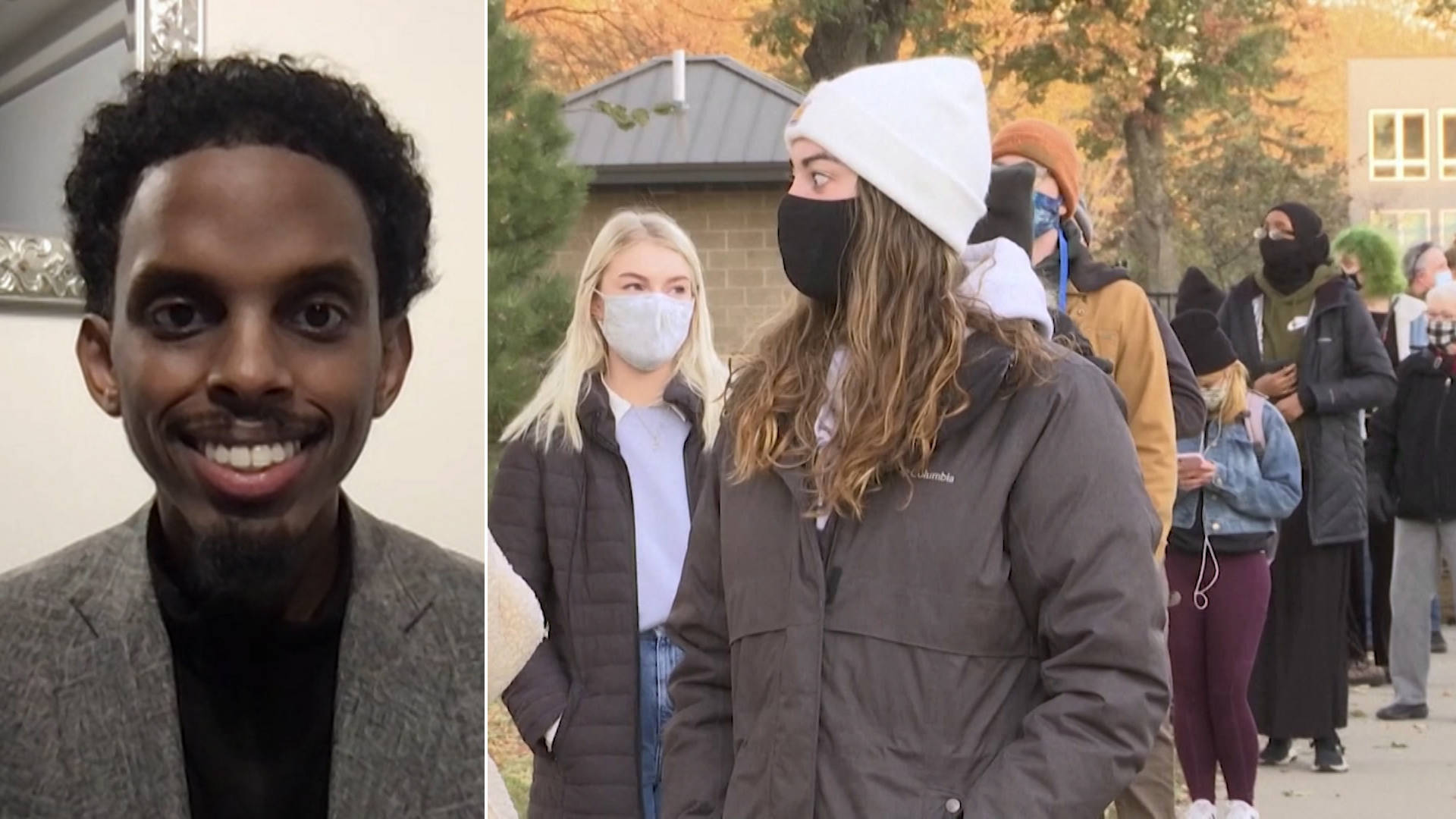
Minneapolis Mayoral Race Reflects National economic Anxiety and Rising Anti-Muslim Sentiment
Teh Minneapolis mayoral election, set for Tuesday, is emerging as a crucial bellwether, mirroring national trends of economic frustration and a disturbing surge in anti-Muslim hate. Democratic Socialist state Senator Omar Fateh, a leading candidate, argues the race isn’t simply about local politics, but a reflection of widespread anxieties about affordability and a growing polarization fueled by divisive rhetoric.This analysis delves into the key themes of the campaign, the challenges facing Minneapolis, and the concerning rise in targeted harassment, drawing on insights from Senator FatehS recent appearance on Democracy Now! wiht Amy Goodman.
the Affordability Crisis: A Driving Force in Political Shifts
Senator Fateh connects the current political landscape – including the surprising success of Donald Trump in 2024 and the resurgence of progressive candidates advocating for economic relief – to a fundamental issue: the struggle of working families. “People are living paycheck to paycheck, struggling to make rent, struggling to afford food and healthcare,” he explained. This economic precarity, he argues, created fertile ground for Trump’s message, despite its demonstrably false promises. “He knew that message woudl resonate the most with the population.”
This observation highlights a critical shift in voter priorities. Traditional political divides are increasingly overshadowed by a shared sense of economic insecurity. Voters aren’t necessarily focused on ideological purity, but on tangible solutions to improve their daily lives. The fact that candidates across the political spectrum are now emphasizing affordability underscores the potency of this message.
Incumbency Under fire: A Sign of Disconnect?
Fateh’s campaign is directly challenging incumbent Mayor Jacob Frey. A key element of his critique centers on the unprecedented level of financial support flowing into PACs (Political Action Committees) backing Frey. “Mayor Frey has five PACs right now… sending out glossy mailers, nonstop ads,” Fateh stated. He argues this massive spending isn’t a sign of strength, but of weakness.
“If an incumbent has been doing the on-the-ground work, connecting with residents… there wouldn’t be the need to spend that much money,” Fateh contends. The lack of endorsements from county commissioners and state legislators further reinforces this narrative, suggesting a breakdown in collaborative governance. Fateh positions himself as a candidate who prioritizes working families and building consensus, contrasting this with what he describes as frey’s focus on catering to “the wealthy and the well-connected.” This resonates with a growing sentiment that local government isn’t adequately addressing the needs of its constituents.
A Disturbing Rise in anti-Muslim Hate and the Need for Stronger Condemnation
The campaign hasn’t been without its darker side. Fateh’s campaign headquarters in the Cedar-Riverside neighborhood, a vibrant East African community, was vandalized with explicitly anti-Muslim graffiti. this incident, unfortunately, isn’t isolated.Fateh points to a broader pattern of escalating anti-Muslim hate in Minnesota and across the nation.
“Minnesota has had, I believe, the first and only mosque being bombed in the entire nation, over $3 million in damages, three mosques fully burned to the ground,” he revealed. He and other Muslim elected officials, including Congresswoman Ilhan Omar (who has endorsed Fateh), have been subjected to a barrage of threats via email and social media.
Fateh directly links this surge in hate to the rhetoric surrounding the 2024 election and the normalization of divisive language. However, he also levels a critical charge against elements within the Democratic Party. “We’ve seen also Democratic campaigns latch onto this and use it in their own messaging and through their PACs to try to win their elections,” he alleges.This suggests a troubling trend of exploiting fear and prejudice for political gain, rather than actively combating it.
This is a particularly sensitive issue. While acknowledging the rise in anti-muslim sentiment, it’s crucial to avoid generalizations and focus on holding accountable those who actively promote hate speech and violence. strong, unequivocal condemnation from all political leaders is essential, alongside concrete measures to protect Muslim communities and address the root causes of Islamophobia.
Minnesota as a Microcosm of National Challenges
Minnesota’s history as a pioneer in Muslim representation – electing Keith Ellison as the first Muslim Congressman and Ilhan Omar as the first Muslim Congresswoman – makes the current climate particularly concerning. Fateh frames the state’s welcoming spirit as a catalyst for backlash, highlighting the need for proactive defense against bigotry.
The Minneapolis mayoral election, therefore, represents more than just a local contest. It’s a test case for how communities respond to economic anxieties
Related reading