Understanding and Mitigating tesla Battery Degradation: A Deep Dive
Tesla ownership offers a thrilling glimpse into the future of driving, but like any advanced technology, understanding its nuances is key to a satisfying experience.One common concern among owners is battery degradation – the gradual loss of range over time. Let’s explore why this happens and, more importantly, what you can do to minimize it.
Why Do Tesla Batteries lose Range?
Several factors contribute to battery health decline. It’s not a simple, linear process, and understanding these influences empowers you to protect your investment.
* Temperature Extremes: Vrey hot or cold weather significantly stresses battery cells. These extremes accelerate discharge cycles and can impact long-term cell health.
* Driving Habits: Aggressive driving styles and frequent towing place increased demands on the battery.This accelerated usage contributes to wear and tear, perhaps shortening its lifespan.
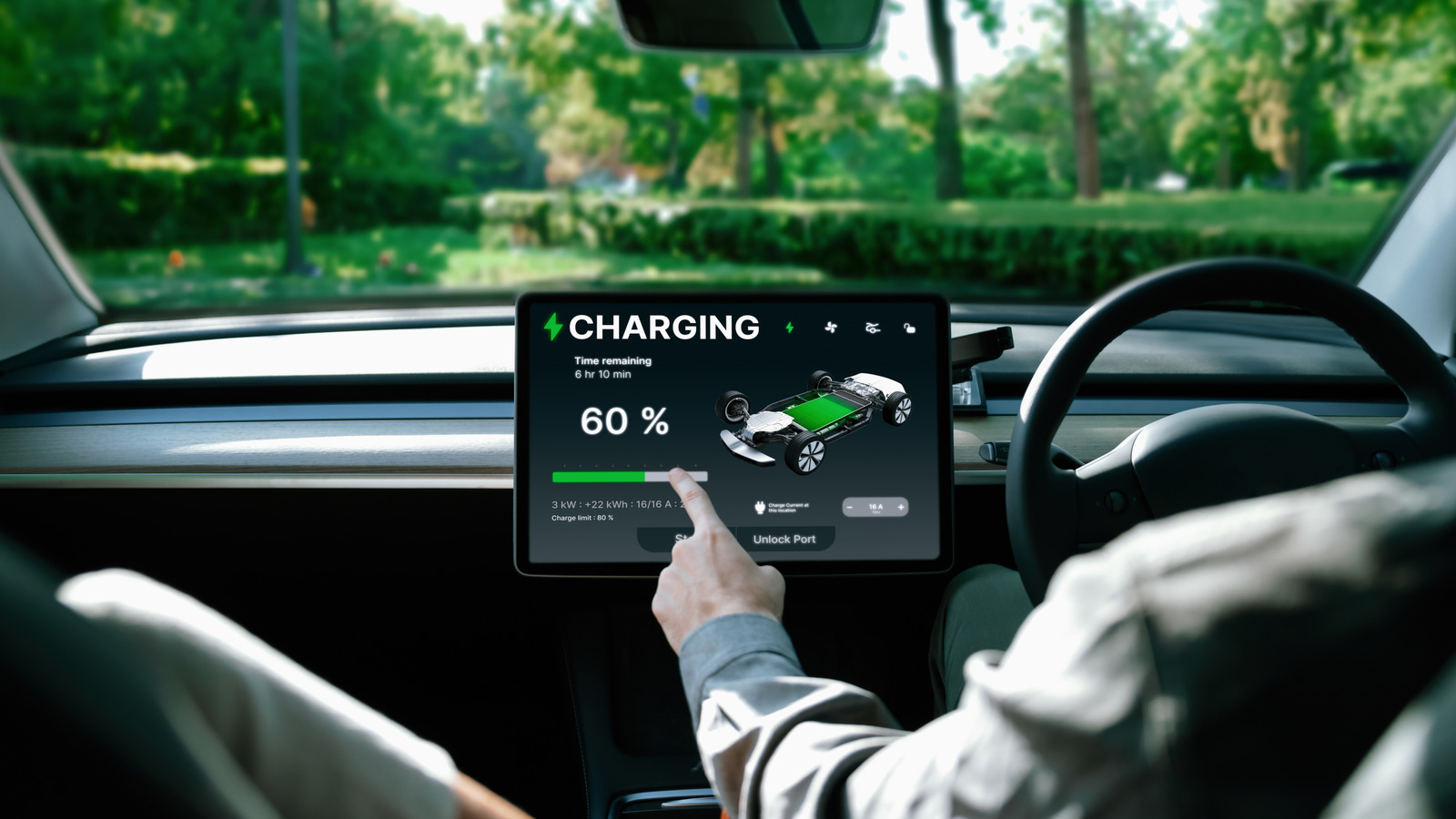
* Charging Practices: How you charge your Tesla plays a crucial role. Deep discharges and consistently charging to 100% can negatively impact long-term health.
* Software & Glitches: Older software versions, or occasional glitches, can sometimes manage battery health suboptimally. Keeping your Tesla’s software updated is vital.
Proactive Steps to Maximize Battery Life
Fortunately, you have considerable control over mitigating battery degradation.Implementing these strategies can help preserve your tesla’s range for years to come.
* Keep it Plugged in: When your Tesla isn’t in use, leaving it plugged in allows the battery management system to maintain an optimal charge level. This reduces stress on the cells.
* Avoid Deep Discharges: Consistently draining the battery to very low levels can cause damage. Aim to recharge before reaching critically low percentages.
* optimize Daily Charging: for everyday use, Tesla recommends charging to 80-90%. Reserve 100% charging for long trips when you need the maximum available range.
* Prioritize AC Charging: Slower AC charging is gentler on the battery than rapid DC fast charging. While DC charging is convenient, frequent use can contribute to long-term degradation.Think of it like sprinting versus jogging – both get you there, but one is more taxing.
* Stay Updated: Regularly update your Tesla’s software. these updates often include improvements to battery management algorithms.
The Importance of a Holistic Approach
Maintaining optimal battery health isn’t about one single action; it’s about adopting a holistic approach. Consider your driving conditions, charging habits, and software updates as interconnected elements.
By understanding the factors influencing battery degradation and proactively implementing these strategies,you can enjoy a long and fulfilling Tesla ownership experience. Remember, a little preventative care goes a long way in preserving the heart of your electric vehicle.