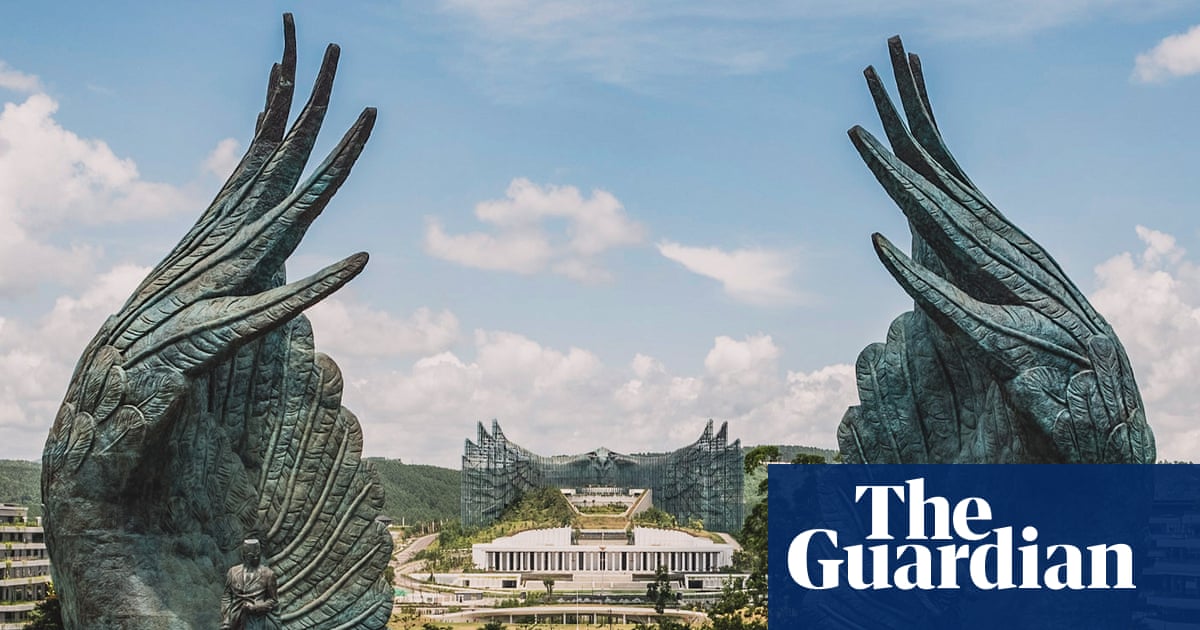
Indonesia‘s Nusantara: A New Capital Rises, But At What Cost?
Indonesia is embarking on a monumental undertaking: the construction of Nusantara, a brand-new capital city in the heart of Borneo. This ambitious project aims to redistribute wealth,alleviate pressure on Jakarta,and showcase a vision of sustainable urban advancement.But is this futuristic city a genuine leap forward, or a costly distraction? Let’s delve into the complexities surrounding Nusantara.
A Vision of Green Innovation
The impetus for Nusantara stems from a multitude of challenges facing jakarta. Overpopulation, sinking land, and crippling traffic congestion have long plagued the existing capital. Consequently, the government envisions Nusantara as a “smart city,” prioritizing environmental sustainability and technological integration.
Basuki, a key figure in the project, emphasizes that only a quarter of the 252,000-hectare site will be developed. The remaining land will be preserved as vital green space, fostering biodiversity and mitigating environmental impact. This commitment to sustainability is central to the project’s narrative.
Concerns and Controversies
Despite official assurances, the development of Nusantara hasn’t been without controversy. Concerns regarding environmental damage and the displacement of indigenous communities are widespread.
* Environmental Impact: Critics point to deforestation and habitat loss as significant consequences of the construction. While the government maintains there are no negative impacts, the scale of the project inevitably alters the landscape.
* Indigenous Rights: The relocation of communities to make way for Nusantara has sparked debate. While some have received compensation for their land, questions remain about the adequacy of thes settlements and the preservation of customary ways of life.
* Priorities and Funding: Some analysts suggest the government’s focus may lie elsewhere. Prabowo’s free school meals program, with a projected annual budget of £15bn by 2026, is receiving considerable attention. This raises questions about the long-term commitment to Nusantara.
A City in Progress
Currently, Nusantara feels…empty. Clariza, a visitor from Sulawesi, described it as “clean, modern – like somthing impossible in the middle of the jungle.” However, she also noted the unsettling quiet, a testament to the city’s nascent stage.
I’ve found that the initial impression is one of stark contrast. The sleek, modern architecture clashes with the surrounding rainforest, creating a surreal atmosphere.It truly feels like a city plucked from a futuristic vision and dropped into a wild landscape.
Shifting the Balance of Power?
Beyond the physical construction, Nusantara represents a symbolic shift in Indonesia’s political and economic landscape. For decades, Java has dominated the nation’s wealth and power.
Many hope Nusantara will decentralize this influence, bringing opportunities to the eastern regions of the country. As Clariza pointed out, a capital located outside Java could foster a more inclusive and balanced Indonesia.
The Future of Nusantara
Ultimately, the success of Nusantara hinges on its ability to deliver on its promises. Will it become a thriving, sustainable metropolis? Or will it remain a largely symbolic project, overshadowed by other national priorities?
It’s also possible Nusantara will evolve into a major tourism destination. Its unique location and modern infrastructure could attract visitors seeking an escape into a futuristic, yet natural, environment.
For now, Nusantara remains a work in progress – a bold experiment with the potential to reshape Indonesia’s future. It’s a story that will continue to unfold in the years to come, and one that deserves careful observation and critical analysis.
Related reading