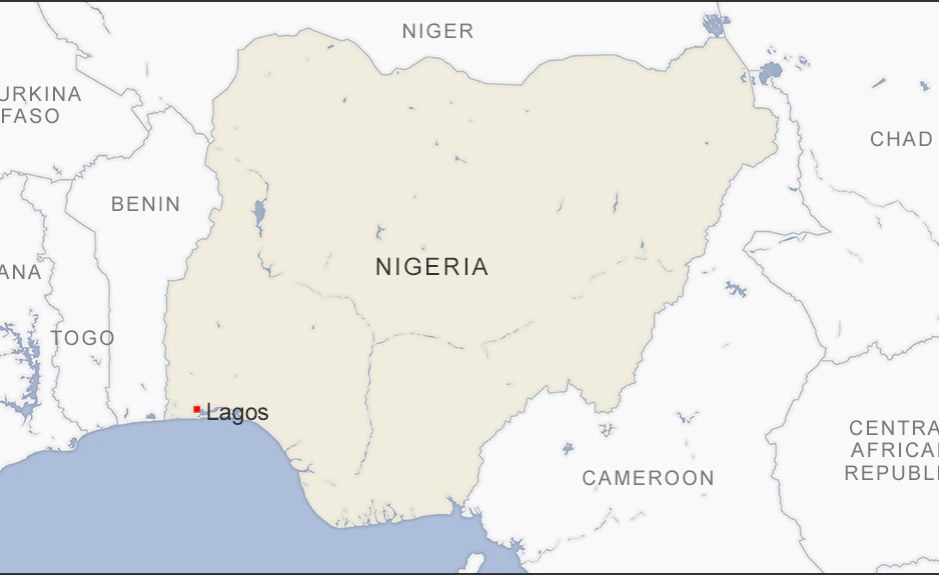
Navigating the Complexities of Security and Intervention in the Sahel & Nigeria
Recent gains against jihadist groups in the Sahel region, the heart of ongoing insurgencies, offer a glimmer of hope. However, external reactions to ongoing conflicts, notably concerning Nigeria, demand careful consideration. A rush to judgment, fueled by misinformation and domestic political agendas, risks exacerbating the very problems it intends to solve.
The Fragility of Nigeria’s diversity
Stoking religious tensions from abroad carries notable risks. It could inadvertently achieve what groups like Boko Haram and the Islamic State in West Africa Province (ISWAP) have failed to do: fracture Nigeria’s diverse social fabric. Nigeria’s strength lies in its multifaceted identity, and undermining this unity would have devastating consequences.
A Path forward: partnership, Not Posturing
International involvement is crucial, but it must be strategic and nuanced. Here’s how the global community can genuinely assist:
* Protecting Vulnerable Communities: Prioritize the safety and well-being of those most affected by violence.
* Border Security Assistance: Help Nigeria strengthen its border controls to limit the flow of arms and fighters.
* Peacekeeping Support: Provide resources and expertise to bolster peacekeeping efforts.
* Technological Advancement: Deploy sophisticated technology for surveillance and preventative measures.
* Targeted Sanctions: Identify,sanction,and prosecute not onyl active participants in extremist groups,but also their financial backers and collaborators.
The world requires collaborative solutions, not empty threats of intervention. Steady diplomacy and thoughtful engagement are far more effective than impulsive reactions broadcast on social media.
The Distortion of African Realities
Recent public statements highlight a dangerous trend. They expose a lack of understanding of the African continent and demonstrate how easily domestic political concerns can distort complex realities. This distortion doesn’t harm policymakers in Washington or commentators on television. It directly impacts the lives of Nigerians – both Muslim and Christian – who bear the brunt of these consequences.
Focus on Long-Term Stability
You need to understand that lasting security in the Sahel and Nigeria requires a holistic approach. It’s not simply about military intervention. It’s about addressing the root causes of instability: poverty, inequality, lack of opportunity, and governance challenges.
Your support should focus on building resilient communities, promoting inclusive governance, and fostering economic development. This is the path to sustainable peace, not short-sighted political maneuvering.
Ultimately, a genuine commitment to partnership, informed by a deep understanding of the region, is the most effective way to support Nigeria and the Sahel in their fight against extremism.