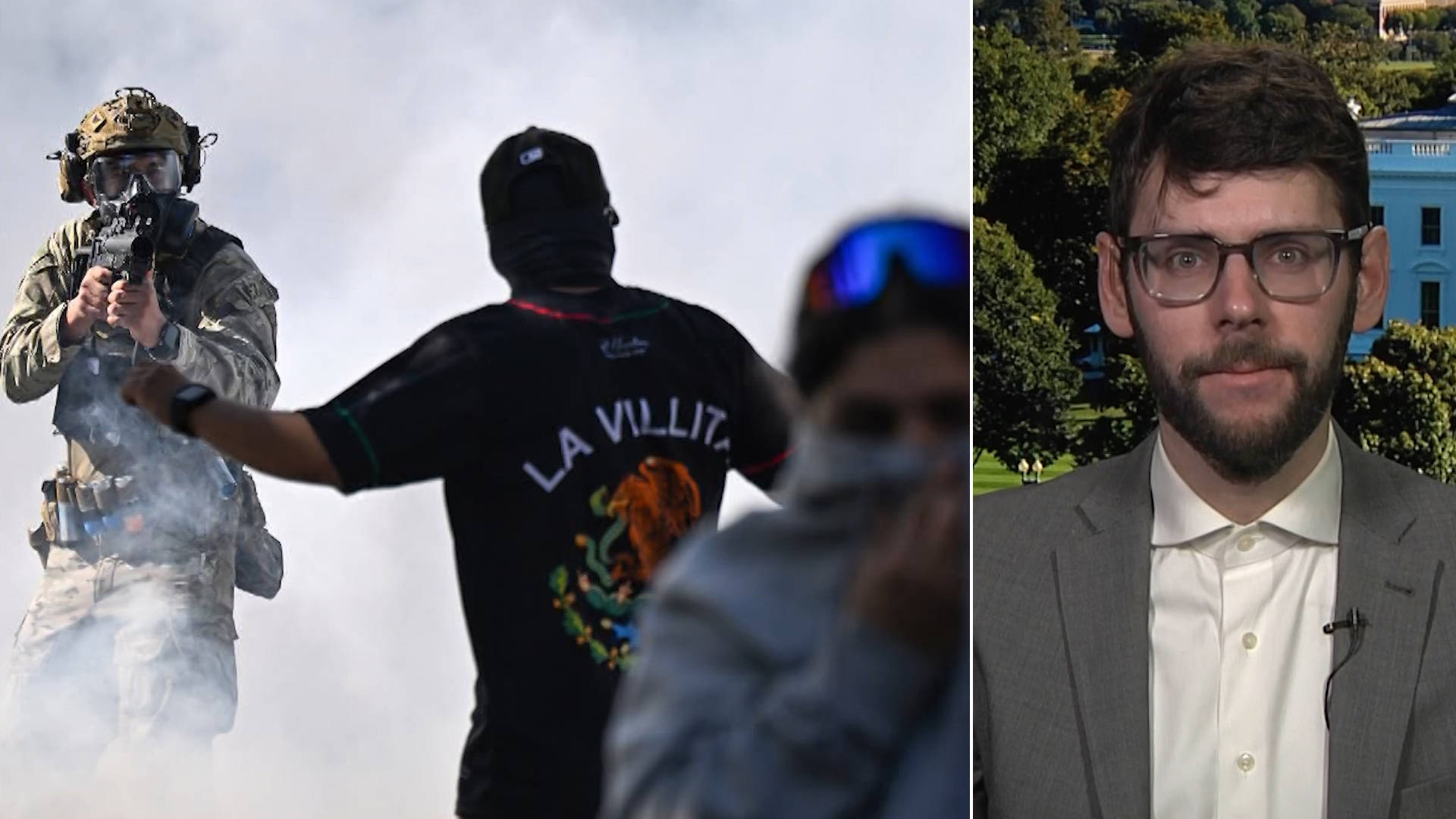
Recent observations in cities like Chicago, and across the nation, reveal a concerning trend following the Supreme Court’s endorsement of what are termed “Kavanaugh stops.” These stops empower Immigration and Customs Enforcement (ICE) officers and Border Patrol agents to question individuals based on characteristics like ethnicity, location, or language spoken. Sadly, U.S. citizens are increasingly being caught in these inquiries, sometimes even when they possess valid Real IDs.
The Expanding Scope of Immigration Enforcement
Its vital to understand that these practices are raising notable questions about civil liberties and the potential for racial profiling. I’ve found that the implementation of these policies often lacks clear guidelines, leading to inconsistent application and unintended consequences. Consider the case in Rockingham County, Virginia, where a disturbing incident unfolded.
New footage depicts federal agents arresting a mother while she was driving her daughter to school. The arrest occurred after she was unable to instantly recite her Social Security number during an immigration stop. The video shows the 16-year-old daughter of Jaykie Funez-Andrade crying out as the agents tackle her mother to the ground, press her face-down into the pavement and handcuff her.
Reports indicate Funez-Andrade presented agents with her work permit, Social Security card, driver’s license, and vehicle registration before the arrest, yet she was still taken into custody.
what options do individuals have when facing such situations? The reality is that navigating these encounters can be incredibly challenging.
While a person legally present in the U.S. could theoretically pursue legal action against the government for an unlawful arrest,these cases are often complex,lengthy,and expensive. Even if the arrest is ultimately deemed lawful, but conducted in a harsh manner, recourse may be limited. Community support and access to legal counsel are therefore crucial during these times.
according to a recent report by the American Civil Liberties Union (ACLU) released in October 2024, complaints regarding ICE encounters have increased by 45% in the last year, with a significant portion involving U.S. citizens.
Understanding the Shift in Asylum Policies
The current administration has also dramatically reduced the number of asylum seekers permitted into the United States, decreasing the annual refugee admission cap from 125,000 to 7,500. A significant portion of these slots are now prioritized for white South Africans.
It’s vital to clarify that these individuals are not traditional asylum seekers. They are applying through the U.S.Refugee Admissions Program, meaning they have already undergone a legal vetting process overseas and been approved to come to the U.S. with legal status. For nearly five decades, this program has provided refuge to individuals fleeing persecution and violence worldwide.
However,the current approach appears to be shifting the program’s focus. The administration is attempting to reshape it into an immigration pathway for white South Africans and conservatives who believe they are facing discrimination due to their anti-immigrant views. This represents a departure from the program’s long-standing humanitarian mission and a move towards an ideologically driven selection process.
Here’s what works best: understanding the distinction between asylum and refugee status is critical. Asylum is typically sought by individuals already present in the U.S., while refugees are vetted and approved for resettlement from outside the country.
If you or someone you know is stopped by immigration officials, remain calm, politely request to speak with an attorney, and do not answer questions without legal representation.
The implications of these changes are far-reaching, potentially undermining the U.S.’s commitment to international humanitarian law and raising concerns about discrimination and fairness in the immigration system.
Navigating the Complexities of Immigration Enforcement
the evolving landscape of immigration enforcement requires a proactive approach. You need to be aware of your rights and prepared to respond effectively if you encounter immigration officials. This includes understanding the scope of their authority and the limitations on their actions.
moreover,it’s essential to stay informed about policy changes and legal challenges related to immigration. Organizations like the American Immigration Council and the ACLU provide valuable resources and advocacy efforts in this area.
The situation demands vigilance and a commitment to protecting the rights of all individuals,regardless of their immigration status or background.
Here’s a rapid comparison of key terms:
| Term | Definition |
|---|---|
| Asylum | Protection granted to individuals already in the U.S. who fear persecution. |
| Refugee | Individuals approved for resettlement in the U.S. from outside the country. |
| Kavanaugh stop | Questioning by ICE/Border Patrol based on ethnicity or location. |
Ultimately, addressing these challenges requires a complete and compassionate approach to immigration reform.
Immigration Enforcement: A Look Ahead
The trends we’re seeing now - increased enforcement, restrictive policies, and a shift in priorities – are likely to continue in the near future. It’s crucial to remain engaged and advocate for policies that uphold due process, protect civil liberties, and reflect our nation’s values.
As the legal landscape continues to evolve, staying informed and seeking legal counsel when necessary will be paramount.
What steps will you take to protect your rights and advocate for fair immigration policies?
The ongoing changes in immigration enforcement, ICE policies, and Border Patrol practices necessitate a thorough understanding of your rights and available resources.
Evergreen Insights: Protecting Your Rights
Regardless of the political climate, certain principles remain constant when interacting with law enforcement or immigration officials. Always remain calm, polite, and assertive in your rights. Never sign any documents without understanding their contents and consulting with an attorney. Document every interaction, including dates, times, locations, and the names of any officials involved. These steps can be invaluable in protecting yourself and building a strong legal defense if necessary.
Frequently Asked Questions About Immigration Stops
- What is a “Kavanaugh stop” in immigration enforcement? A “Kavanaugh stop” refers to questioning by ICE or Border Patrol agents based on a person’s ethnicity, location, or language spoken, as recently endorsed by the Supreme Court.
- What should I do if I am stopped by ICE or Border Patrol? Politely request to speak with an attorney before answering any questions. Do not sign any documents without legal counsel.
- Are U.S. citizens protected from immigration stops? While citizens have rights, they are increasingly being caught in these stops, even with valid identification.
- What is the difference between asylum and refugee status? Asylum is sought by individuals already in the U.S., while refugee status is granted to those vetted and approved for resettlement from outside the country.
- How has the refugee admission program changed recently? The Trump administration substantially reduced the annual refugee admission cap and prioritized certain groups, like white South Africans, over others.
- What recourse do I have if I am unlawfully arrested during an immigration stop? You may be able to pursue legal action against the government, but these cases are complex and time-consuming.
- Where can I find more information about my rights during an immigration encounter? Organizations like the American Immigration Council and the ACLU offer valuable resources and legal assistance.
Please share this information with your network and let’s continue the conversation about protecting our rights and ensuring a fair and just immigration system.
Related reading
- Stunning 4-Bed Rathfarnham Family Home for Sale | €1,250,000
- Trading Sunday on August 2, 2026: Are Shops Open or Is There a Ban?
- Trump Legal Team Defends Accountability Efforts Amid Ongoing Proceedings (world-today-news.com)
- Federal Reserve Chair Kevin Warsh Resists Trump Rate Cuts Amid Inflation (archyworldys.com)