The Erosion of Independence: How Political Pressure Threatens Israel’s Military Justice System
The recent, precipitous fall from grace of Israel’s Military Advocate General (MAG), Sharona Tomer-yerushalmi, has sent shockwaves through the nation. However, the true source of the current public uproar isn’t simply that she leaked video evidence of alleged abuse by IDF soldiers, but why she felt compelled to do so – a desperate act revealing a deeply troubling trend of political interference within Israel’s military justice system. This incident, dubbed the “MAG affair,” raises fundamental questions about the independence of the IDF and the rule of law within a nation already grappling with intense scrutiny over its conduct in Gaza.
The Sde Teiman Allegations and the Initial Examination
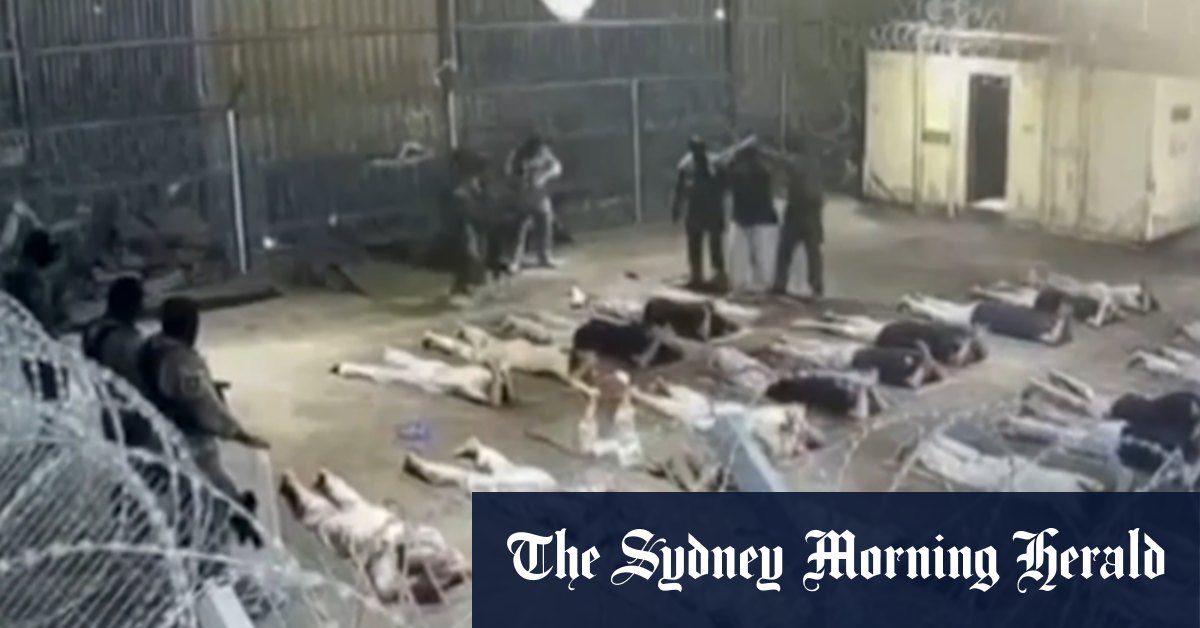
The controversy centers around allegations of abuse perpetrated by reservists from the IDF’s Unit 100 at the Sde Teiman detention facility. While the claims of mistreatment of palestinian detainees were already circulating – tragically underscored by the severe injuries sustained by one detainee requiring hospitalization - it was the leaked video footage, first broadcast by channel 12 in August 2024, that ignited a national firestorm.
Following reports and growing international concern, Tomer-Yerushalmi initiated an investigation into the conduct of the soldiers involved, including a captain and a major. This investigation, though, immediately met with fierce resistance from within Israel’s government. The timing couldn’t have been worse. Israel’s international standing was already severely strained due to the ongoing military campaign in Gaza and looming war crimes indictments against Prime Minister Netanyahu. Adding allegations of systemic abuse within the IDF presented an unacceptable political liability.
A Nation Distracted, and a System Under Pressure
The domestic context further complex matters. Israel remained deeply traumatized by the October 7th massacre, fostering a climate of limited empathy for the treatment of Palestinian detainees. This emotional landscape provided fertile ground for a concerted backlash against tomer-Yerushalmi’s investigation.
That backlash manifested in alarming ways.Protesters, including elected officials, stormed military compounds in open defiance of the investigation. Simultaneously, Tomer-Yerushalmi faced intense, multifaceted pressure – both publicly and, according to reports, privately – to abandon the probe. She was even accused of fabricating the allegations, a blatant attempt to discredit her and her team.
The leak of the video evidence is now widely interpreted as a last-ditch effort by Tomer-Yerushalmi to demonstrate the veracity of the claims and expose the pressure she was under. It was a gamble that may well cost her career, but one she seemingly felt compelled to take to safeguard the integrity of the investigation.
Beyond Tomer-Yerushalmi: A Pattern of Politicization?
The implications of this case extend far beyond the fate of one individual. The core concern is the apparent erosion of respect for the neutrality of the military. critics argue that the “MAG affair” is symptomatic of a broader pattern of attempts by Prime Minister Netanyahu to politicize key institutions, mirroring previous efforts to reshape the judiciary – efforts that sparked months of widespread protests prior to the outbreak of the war.
This concern is fueled by accusations leveled against Minister Ofir Katz, a close Netanyahu ally, of deliberately delaying the confirmation of senior military appointments. Traditionally, these appointments fall outside the purview of ministerial oversight, but Katz is accused of using his influence to ensure the loyalty of high-ranking officers. Furthermore, Justice Minister Yariv Levin is reportedly attempting to shield Attorney-General Gali Baharav-Miara from involvement in the fallout from the Tomer-Yerushalmi case.
A Troubling Precedent: Dismissals and Warnings
This isn’t an isolated incident. The earlier dismissal of Ronen Bar, the director of Shin Bet (Israel’s internal security agency), after he launched an investigation into alleged Qatari influence on netanyahu’s staff, further underscores this worrying trend. These actions collectively suggest a purposeful effort to curtail self-reliant oversight and ensure political alignment within Israel’s security apparatus.
While Israel has historically been characterized by robust political debate, the perceived threat to the independence of its professional military and security services is unprecedented. These institutions have traditionally been considered sacrosanct, operating with a degree of autonomy crucial for maintaining public trust and upholding the rule of law.
The Future of Military Justice and Israel’s Reputation
The fallout from the leaked video is already impacting the legal proceedings. A lawyer representing one of the five military guards stationed at Sde Teiman has argued that the widespread dissemination of the footage precludes a fair trial for his client. Whether this
Worth a look
- Exploring UNESCO Headquarters in Paris: Architecture & Art
- Since the provided input is only an image link and contains no text or context about the article’s content, it is impossible to create a specific SEO title. However, based on the source (Times of India), if this is a general news piece, a high-performing SEO template would be: [Main Subject/Keyword]: Latest Updates, News, and Key Highlights
- Apply Now: 30,000 Yuan Scholarship & Admission Details (archynewsy.com)
- Israel’s Foreign Ministry Strategy: Interview With Lior Haiat (world-today-news.com)