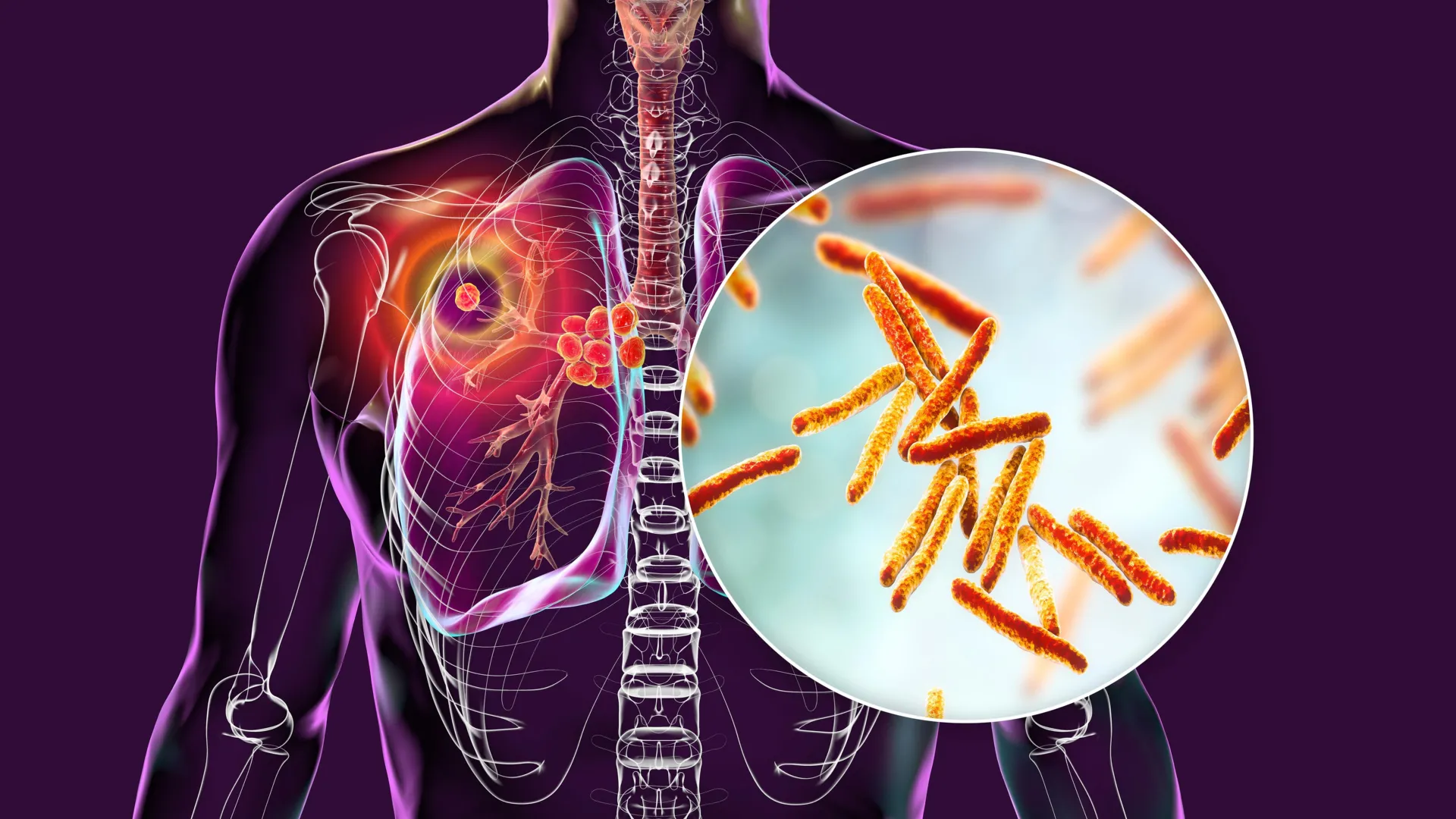
Breakthrough in Tuberculosis Treatment: Novel Compound CMX410 Offers Hope Against Drug-Resistant Strains
Tuberculosis (TB), a disease often relegated to history books, remains a critical global health challenge. Now, a collaborative research effort led by Texas A&M University and the Calibr-Skaggs Institute for Innovative Medicines at Scripps Research has yielded a promising new compound, CMX410, poised to revolutionize TB treatment, particularly in the face of growing drug resistance. This discovery, born from the TB Drug Accelerator program funded by the Gates Foundation, represents a meaningful leap forward in our fight against this persistent pathogen.
The Challenge of Tuberculosis in the 21st Century
Despite advancements in medicine, Mycobacterium tuberculosis (M. tuberculosis) continues to infect millions worldwide, causing significant morbidity and mortality. The emergence of multidrug-resistant (MDR) and extensively drug-resistant (XDR) strains has further intricate treatment, demanding innovative approaches to combat this evolving threat. Traditional TB therapies, while effective, often require lengthy courses of multiple medications, leading to patient non-compliance and contributing to the rise of resistance.
Targeting the Achilles’ Heel: Disrupting the bacterial Cell Wall
The research team, spearheaded by Dr. Jeffery Sacchettini of Texas A&M University and Dr. Case McNamara of Calibr-Skaggs, focused on a vital enzyme within M. tuberculosis called polyketide synthase 13 (Pks13). This enzyme is crucial for building the bacterium’s protective cell wall – a structure essential for survival and infection. While Pks13 has long been recognized as a potential drug target,developing a safe and effective inhibitor has proven elusive.
CMX410 overcomes these previous hurdles. Its meticulously designed structure exhibits remarkable specificity for Pks13, minimizing off-target effects and reducing the likelihood of adverse reactions. Crucially, CMX410 forms an irreversible bond with a critical site on the enzyme, effectively disabling it and preventing the growth of bacterial resistance – a major advantage over existing therapies.
The Power of Click Chemistry: A New Era in Drug Design
The success of CMX410 is, in part, attributable to the innovative submission of “click chemistry,” a revolutionary technique pioneered by Nobel Laureate Dr. Barry Sharpless of Scripps Research. This method allows for the rapid and precise linking of molecules, enabling the creation and screening of vast libraries of chemical compounds.
“This technique represents a new tool for drug design,” explains dr. McNamara. “We anticipate its widespread adoption in addressing critical public health needs, including tuberculosis and other infectious diseases.” The ability to quickly synthesize and test numerous compounds dramatically accelerates the drug discovery process.
Robust Early Results: Efficacy Against Drug-Resistant Strains
The journey to CMX410 involved rigorous testing and optimization. Researchers, including co-first authors Dr. Baiyuan Yang and Dr. Paridhi Sukheja, meticulously screened over 300 variations of the compound, refining its potency, safety, and selectivity.
the resulting compound demonstrated remarkable efficacy against 66 different TB strains, including those resistant to multiple drugs. This broad-spectrum activity is particularly encouraging, offering a potential solution for patients with limited treatment options. Furthermore, CMX410 proved safe to use in conjunction with existing TB medications, paving the way for combination therapies that could shorten treatment duration and improve patient outcomes.
Animal studies revealed no significant side effects, even at high doses, suggesting a favorable safety profile. The compound’s precision targeting also minimizes disruption to beneficial gut bacteria, a common issue associated with traditional antibiotics.
Looking Ahead: Towards a Tuberculosis-Free Future
The unique chemical modification allowing CMX410 to permanently bind to its target sets it apart as a highly selective compound. While human clinical trials are still required, the early data are exceptionally promising.
“Cell wall-targeting antibiotics have been a cornerstone of TB treatment for decades,but their effectiveness is waning due to resistance,” notes Dr. Inna Krieger, a senior research scientist involved in the project. “We are focused on discovering new drugs that disrupt essential bacterial processes and identifying optimal combinations with existing therapies to create shorter, safer, and more effective treatment regimens.”
This research represents a beacon of hope in the ongoing battle against tuberculosis. By targeting a critical vulnerability in the bacterial cell wall and leveraging cutting-edge drug design techniques, CMX410 offers a potential pathway to a future where tuberculosis is no longer a global health threat.The collaborative spirit driving this discovery underscores the importance of continued investment in research and innovation to overcome the challenges posed by infectious diseases.
Sources:
*[OriginalPressRelease/Article-[OriginalPressRelease/Article-[OriginalPressRelease/Article-[OriginalPressRelease/Article-Insert Link to Original Source Here](This