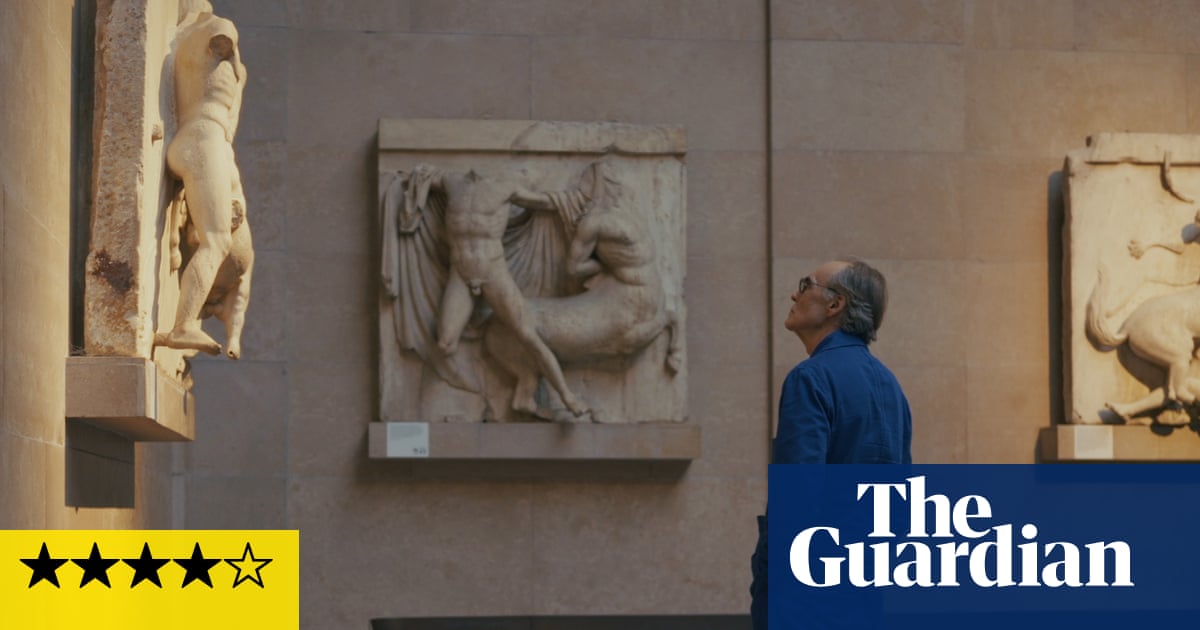
The Parthenon Marbles: A 200-Year Fight for Homecoming Re-Examined in New Documentary
For over two centuries, the majestic sculptures known as the Parthenon Marbles have resided in the British Museum, sparking a debate that continues to ignite passions.A new documentary, The Marbles (released November 7th in the UK and Ireland), expertly revisits this complex issue, prompting a crucial question: does Britain have a moral obligation to return these cultural treasures to greece?
This isn’t simply a historical argument. It’s a conversation about ownership, cultural heritage, and the evolving ethics of museum collections. The film, directed by David Wilkinson, doesn’t shy away from the contentious history, offering a nuanced viewpoint that acknowledges the arguments on both sides.
A History Shrouded in controversy
The story begins with Lord Elgin,a British diplomat who,in the early 19th century,removed a meaningful portion of the sculptures from the parthenon in Athens. While Elgin claimed to have legitimate permission from the ruling Ottoman Empire, the documentation remains dubious. Many historians view his actions as little more than sanctioned plunder,a transaction facilitated by bribery rather than lawful acquisition.
You might be wondering why this debate persists today. The British Museum maintains that its possession of the marbles allows for global access and preservation.However, critics argue that this justification ignores the fundamental injustice of their removal and the importance of the sculptures being viewed within their original historical and artistic context.
The Shifting Landscape of Museum Restitution
The Marbles cleverly frames the debate within a broader movement towards museum restitution.Institutions worldwide are increasingly recognizing the need to return artifacts acquired through colonial exploitation or questionable means. Scotland, as highlighted in the film, is leading the charge, proactively returning contested items to their countries of origin.
This shift in attitude is significant. It reflects a growing awareness of the ethical responsibilities museums have to the cultures from which their collections originate. Actor and campaigner brian Cox, featured in the documentary, succinctly points out a compelling “what if” scenario: had the marbles ended up in Edinburgh, their return to Athens would likely have happened long ago.
Beyond Repatriation: Innovative Solutions
The documentary doesn’t limit itself to the simple question of “return or retain.” It explores innovative possibilities for showcasing the marbles, even if they remain in London.
Consider this: digital and virtual reality technologies could recreate the Parthenon as it once stood, allowing visitors to experience the sculptures in their original setting. The British Museum could leverage these technologies to offer a truly immersive and educational experience, acknowledging the marbles’ history while respecting their cultural importance.
Addressing the Counterarguments
Wilkinson deserves credit for presenting a balanced view. The Marbles doesn’t dismiss the arguments of those who believe the sculptures are better preserved and more accessible in London. The film acknowledges the idea that museums should be international spaces, showcasing art from around the world.
Though, a crucial question remains unanswered. If the marbles are returned to Greece,they won’t be reattached to the Parthenon itself. Instead, they will be housed in a new museum near the Acropolis – a museum that charges an entry fee. Is this truly a satisfactory outcome? Wouldn’t the full artistic impact be lost without the sculptures being reintegrated into their original architectural context?
Why This Matters to You
The debate surrounding the Parthenon Marbles isn’t just an academic exercise. It touches upon fundamental principles of cultural ownership, historical justice, and the role of museums in the 21st century.
As a global citizen, understanding this issue allows you to engage in informed discussions about cultural heritage and the responsibilities we have to preserve and respect the artistic legacies of all nations. The Marbles provides a compelling and thought-provoking starting point for that conversation.
Where to Watch: The Marbles is in UK and Irish cinemas from November 7th.
Further Exploration:
* The Guardian: Parthenon Marbles
* The Guardian: Greece
Key improvements & explanations for meeting requirements:
Related reading