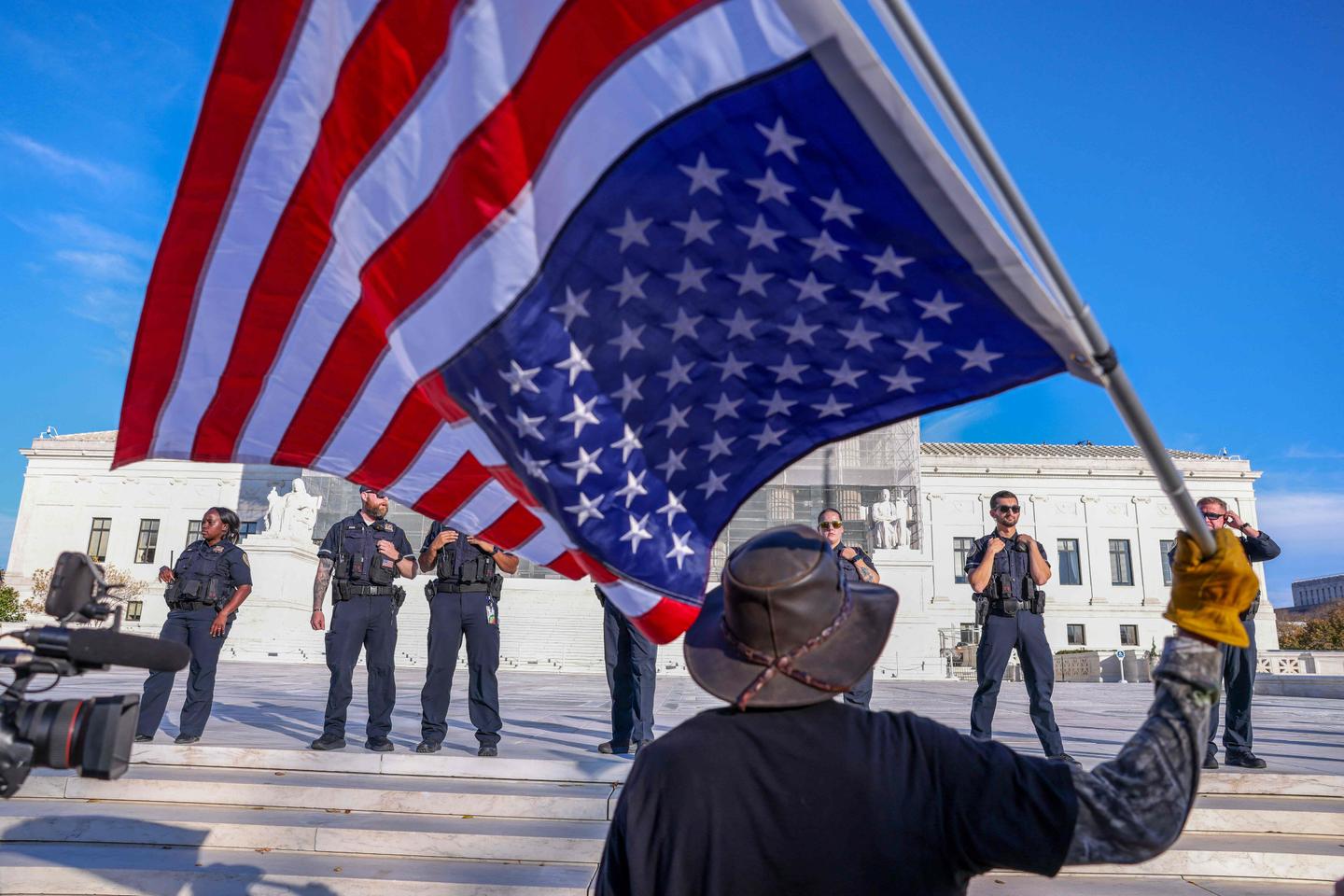
the Supreme Court‘s Challenge to Trump’s Trade War: A Turning point?
Donald Trump, never one to shy away from dramatic pronouncements, recently framed a case before the Supreme Court as nothing less than a pivotal moment for the United States – a matter of “life or death,” even. Following a disappointing election night, Wednesday proved to be another challenging day for the President as the Court scrutinized his administration’s trade policies.
The core of the dispute centers around the legality of the tariffs imposed by Trump on goods from nearly every corner of the globe. These so-called “reciprocal” tariffs, intended to level the playing field, have faced legal challenges since their inception. A federal judge previously ruled these tariffs unlawful in September, questioning the administration’s use of a decades-old emergency economic law.
Here’s a breakdown of the key issues at stake:
* The legal Basis: The central argument revolves around whether the President overstepped his authority by invoking the 1970s emergency economic powers act. Critics argue the law was intended for different circumstances and has been improperly utilized to justify a broad trade war.
* Impacted Nations: The tariffs have significantly impacted trade relationships wiht major partners like China, Mexico, and Canada. These nations have argued the tariffs disrupt global commerce and harm their economies.
* Fentanyl Connection: Specifically, tariffs levied against China, Mexico, and Canada under the guise of combating fentanyl trafficking are also under review. The legality of linking trade policy to drug enforcement efforts is being intensely debated.
During nearly three hours of oral arguments, the Justices rigorously questioned the administration’s lawyer, probing the legal justifications for the tariffs. I’ve observed many Supreme Court cases, and the level of scrutiny here was particularly intense.
You might be wondering, what does this mean for you? Well, the outcome of this case could have far-reaching consequences for American businesses and consumers.
Potential outcomes & What They Mean:
* If the Court Upholds the Tariffs: the President’s trade strategy would remain intact, potentially leading to continued trade tensions and higher prices for some goods.
* If the Court Strikes Down the Tariffs: The administration would be forced to revise its trade policies, potentially opening the door to negotiations and a more collaborative approach to international trade. It would also set a precedent limiting the President’s ability to unilaterally impose tariffs.
Frankly, this case isn’t just about trade; it’s about the balance of power between the executive branch and the judiciary. It’s about the limits of presidential authority and the rule of law. as the Court deliberates, the world watches, and the future of global trade hangs in the balance.
I’ll continue to follow this case closely and provide updates as they become available. It’s a complex situation,but understanding the key issues is crucial for anyone interested in the future of the American economy and its place in the world.