The Rise of Lab-Grown Diamond Deception: Protecting Yourself from Influencer Scams
The allure of luxury, coupled with the persuasive power of social media, has unfortunately created fertile ground for scams. Recently, a troubling case emerged in Malaysia involving an influencer accused of selling lab-grown diamonds as genuine stones, defrauding dozens of customers out of approximately RM1 million (roughly $215,000 USD) since 2023. This incident isn’t isolated; it highlights a growing trend of deceptive practices within the online jewelry market and underscores the importance of consumer vigilance.
This article will delve into the details of this case, explain how to identify lab-grown versus natural diamonds, explore the legal ramifications of such deception, and provide actionable steps you can take to protect yourself from falling victim to similar scams. We’ll also discuss the broader implications for influencer marketing and consumer trust.
Understanding the Diamond Dilemma: Natural vs. Lab-Grown
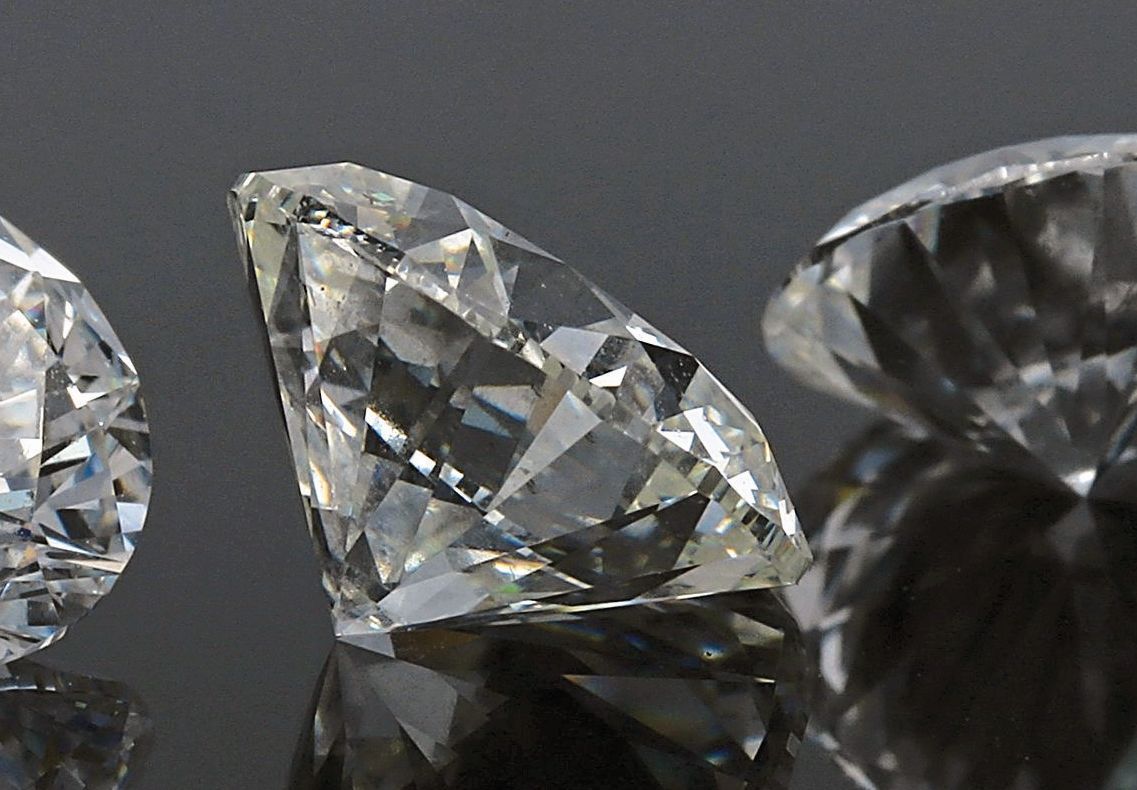
The core of this issue lies in the distinction between natural and lab-grown diamonds. Natural diamonds are formed over billions of years under immense heat and pressure deep within the Earth. lab-grown diamonds, also known as synthetic or cultured diamonds, are created in a laboratory using processes that mimic these natural conditions.
While chemically and physically identical to their natural counterparts,lab-grown diamonds typically cost significantly less. This price difference is precisely what makes them attractive to unscrupulous sellers who may misrepresent them as natural diamonds to inflate profits. According to a recent report by the International Gemological Institute (IGI) – a leading authority in gemological certification – the demand for lab-grown diamonds has surged in the past year, increasing by 85% (IGI, 2024). This rising popularity also creates more opportunities for deceptive practices.
Here’s a quick breakdown:
* Natural Diamonds: Formed naturally, rarer, generally more expensive.
* Lab-Grown Diamonds: Created in a lab, chemically identical, more affordable.
* Simulants: (Like cubic zirconia) – Look like diamonds but have different chemical compositions.
The Malaysian Influencer Case: A closer Look
The recent case in Malaysia, brought to light by MCA Public services and Complaints Department head Datuk Seri Michael Chong, involved an influencer who allegedly used misleading language to convince customers that the jewellery she was selling contained real diamonds. Victims reported purchasing items marketed as possessing good fortune, only to discover through lab analysis that the stones were, in fact, lab-grown.
Adding to the severity of the situation, lawyer Esther Hor, representing the affected customers, revealed that some makeup products sold by the influencer were falsely advertised as “chemical-free” but were found to contain mercury – a highly toxic substance. Over 30 police reports have been filed in Malaysia, with additional reports lodged in Singapore, indicating the influencer’s reach extended beyond national borders. Attempts at private settlements failed, and the influencer reportedly stated “no refunds” on her Instagram stories, suggesting an awareness of the growing complaints.
Protecting Yourself: A Step-by-Step Guide
You can take several proactive steps to safeguard yourself from similar scams:
- Demand Certification: Always request a grading report from a reputable gemological laboratory like GIA (Gemological Institute of America), IGI, or HRD Antwerp.These reports provide detailed information about the diamond’s characteristics, including weather it’s natural or lab-grown. https://www.gia.edu/
- Verify the Seller: Research the seller’s reputation. Check online reviews, look for complaints filed with consumer protection agencies, and verify their physical address and contact information.
- Be Wary of “Too Good to Be True” Deals: if a price seems significantly lower than market value,
Keep reading