Evaluating the Safety Profile of Elebsiran in Clinical Trials
Elebsiran, an investigational therapy, has undergone rigorous clinical evaluation to assess its safety and tolerability. Here’s a detailed look at the adverse events and laboratory abnormalities observed during these trials, providing you with a clear understanding of the data. This information is crucial for healthcare professionals and anyone interested in the development of new treatment options.
Serious Adverse Events (SAEs)
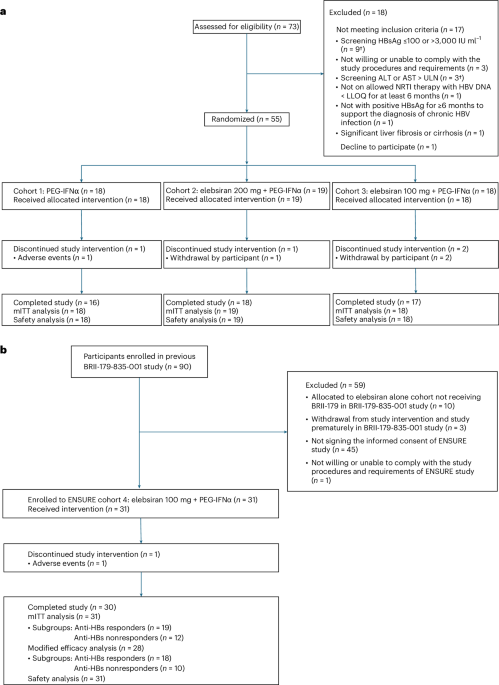
A small number of serious adverse events were reported across the four study cohorts, representing a 4.7% overall incidence. These included:
* One participant experienced a seizure alongside a diagnosis of nodal marginal zone B-cell lymphoma.
* Another participant reported syncope.
* Appendicitis occurred in one individual.
* A single case of lymphoma led to premature study withdrawal.
Importantly, investigators persistent that none of these SAEs were directly related to elebsiran. The seizure and syncope were attributed to the concurrent use of PEG-IFNα,while the other two events were considered unrelated to either treatment. All SAEs resolved, except for the participant with lymphoma.
Laboratory Findings: A Closer Look
Monitoring laboratory values is essential for understanding a drug’s potential impact on organ function. Here’s a breakdown of key findings:
Alanine Aminotransferase (ALT) Elevations:
* Increases in ALT levels were consistently observed across all cohorts, regardless of whether participants received PEG-IFNα alone or in combination with elebsiran.
* Specifically, 83.3% of those on PEG-IFNα alone (cohort 1) and between 78.9% and 87.1% of those receiving elebsiran plus PEG-IFNα (cohorts 2-4) experienced ALT elevations.
* Most increases were mild (grade 1 or 2).
* Grade 3 elevations occurred in a small percentage of participants (10.5% in cohort 2 and 5.6% in cohort 3).
* Notably, these participants showed no signs of liver decompensation, and their ALT levels returned to normal within 72 weeks.
* No participant experienced significantly elevated ALT or AST levels, bilirubin, or alkaline phosphatase.
Hematological Changes:
* Neutrophil count decreases were common,affecting 90.7% of participants across all cohorts.
* The incidence was similar across all groups, indicating elebsiran didn’t significantly worsen this effect.
* Grade 3 or higher decreases in neutrophil counts were observed in 22.2% to 38.9% of participants, depending on the cohort.
* Platelet decreases were also frequent (61.6% of participants),with similar incidence rates across cohorts.
* Severe platelet decreases (grade 3) were rare, occurring in only 5.3% to 5.6% of participants.
* Crucially,no bleeding episodes were reported during the study.
Alpha Fetoprotein (AFP) Elevations:
* AFP levels increased in participants receiving elebsiran plus PEG-IFNα (cohorts 2-4) compared to those receiving PEG-IFNα alone (cohort 1).
* Specifically, elevations above 20 μg/L were seen in 21.1% (cohort 2), 33.3% (cohort 3), and 19.4% (cohort 4) of participants.
* Though, AFP levels returned to normal after treatment ended in all affected individuals.
* Proactive ultrasound monitoring revealed no evidence of malignancy.
the safety data from these clinical trials suggest that elebsiran is generally well-tolerated. while certain laboratory abnormalities were observed, they were typically mild, reversible, and did not lead to serious clinical consequences. Continuous monitoring and careful management of potential side effects remain essential throughout the development and potential use of this promising therapy.
Keep reading