Tunisia’s Descent into Migrant Abuse: A Reckoning for EU Complicity
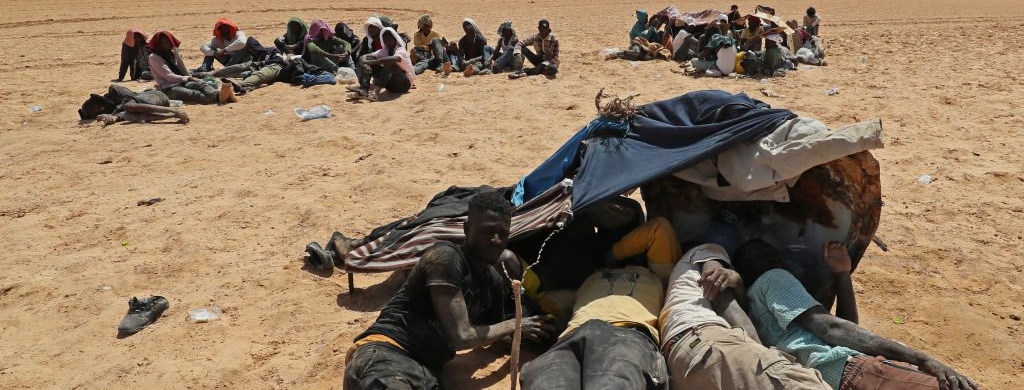
The situation at Tunisia’s borders and within its detention facilities has deteriorated sharply,revealing a disturbing pattern of torture,sexual violence,and collective expulsion targeting migrants and refugees. Recent investigations by Amnesty International paint a harrowing picture, demanding urgent attention and a basic reassessment of the European Union’s approach to migration control in the region. This isn’t simply a humanitarian crisis; it’s a stark indictment of policies prioritizing border security over fundamental human rights.
A Pattern of brutality: Documented abuses
Amnesty International’s findings detail systematic abuses perpetrated by Tunisian security forces against vulnerable individuals. The report highlights the following key findings:
* Widespread Torture: 41 individuals – men, women, and children – reported experiencing torture and ill-treatment during interception, expulsion, or while in detention.
* Forced Confessions & Degradation: Individuals like “Hakim,” a Cameroonian national, were subjected to brutal beatings with clubs, batons, and iron pipes, and forced to repeatedly chant, “Tunisia no more, we will never come back.” This isn’t just physical violence; it’s a deliberate attempt to dehumanize and break the spirit of those seeking refuge.
* Sexual Violence – A Horrifying Reality: The report documents 14 incidents of rape or other forms of sexual violence, often occurring during abusive strip searches conducted in a humiliating and torturous manner. “Karine,” a Cameroonian woman, tragically recounted being raped twice by National Guard officers – once during an interception and again at the Algerian border.
* Abandonment at Dangerous Borders: Individuals are being driven to the Algerian border and left to fend for themselves, facing potential dangers and further exploitation. As “Ezra,” an Ivorian man, described, they were simply told to either swim or face the perils of Libya.
The EU’s Role: A Dangerous Legacy of Cooperation
The EU’s current approach to migration control in Tunisia mirrors the disastrous consequences of its cooperation with Libya. Instead of learning from past mistakes, the EU has doubled down on a strategy of containment, providing financial and logistical support to the Tunisian coastguard and border management agencies.
This cooperation, formalized in a Memorandum of Understanding signed in July 2023, is deeply flawed:
* Lack of Human Rights Safeguards: The agreement was developed without a comprehensive human rights impact assessment, autonomous monitoring mechanisms, or a clear suspensive clause allowing for suspension in case of violations.
* Ignoring Red Flags: Despite alarming and well-documented reports of abuse, the EU continues to pursue this cooperation, even touting it as a “success” based solely on a reduction in irregular sea arrivals.
* Complicity Through Silence: The EU’s silence in the face of these horrific abuses is deeply concerning.By prioritizing migration control over international law and failing to meaningfully review its cooperation, European leaders risk becoming complicit in these violations.
Why This Matters: The Erosion of International Law & Human Dignity
The situation in Tunisia isn’t just a regional crisis; it’s a symptom of a broader global trend towards the erosion of international law and the devaluation of human dignity. The EU’s actions send a dangerous message: that border security trumps fundamental human rights.
This approach is not onyl morally reprehensible but also counterproductive.Pushing people into more dangerous situations – like the hands of smugglers or the conflict zones of Libya – only exacerbates the problem and fuels further suffering.
What Needs to Happen Now
A fundamental shift in the EU’s approach is urgently needed. This requires:
* Immediate Suspension of Cooperation: The EU must immediately suspend its Memorandum of understanding with Tunisia until robust human rights safeguards are put in place.
* Independent Investigation: A thorough and independent investigation into the abuses committed by Tunisian security forces is essential, with perpetrators held accountable.
* Prioritize Human Rights: Any future cooperation with Tunisia must be predicated on a genuine commitment to human rights, with independent monitoring and clear mechanisms for addressing violations.
* Safe and Legal Pathways: The EU must invest in creating safe and legal pathways for migration, addressing the root causes of displacement and offering viable alternatives to dangerous journeys.
The time for complacency is over. The EU must recognize its duty and act decisively to protect the rights and dignity of migrants and refugees in Tunisia.