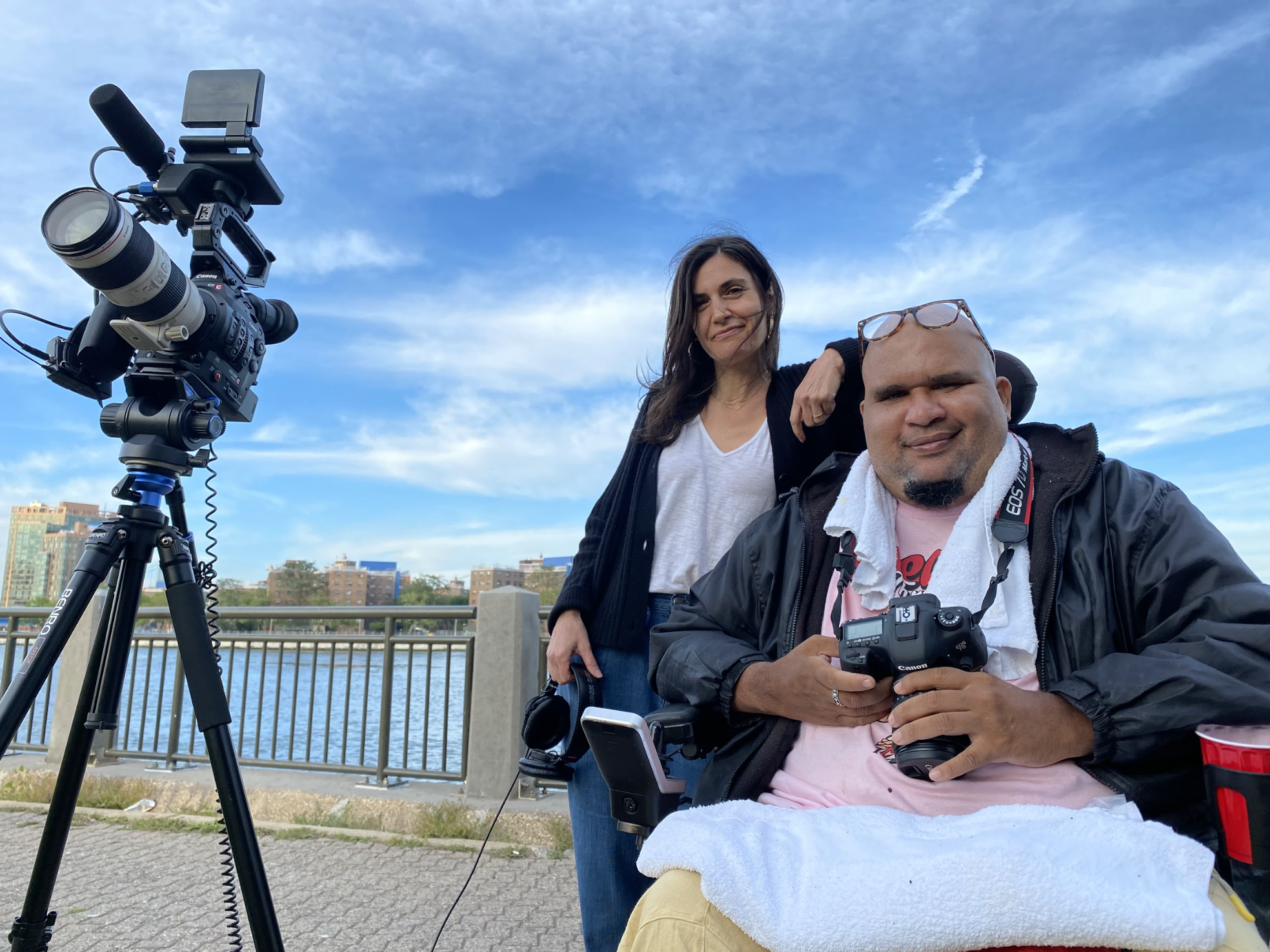
from isolation to Impact: The Story Behind “Fire Through Dry Grass” and the power of Creative Activism
Have you ever felt powerless in the face of injustice? Imagine that feeling amplified by physical limitations and systemic neglect. This is the reality faced by residents of the Coler rehabilitation and Long-Term Care Facility in new York City during the COVID-19 pandemic, and it’s the driving force behind the powerful documentary, Fire Through Dry Grass. This isn’t just a film; it’s a testament to the resilience of the human spirit and the transformative power of documentary filmmaking as a tool for advocacy.
The story begins with the Reality Poets, a creative writing group within Coler, and a young resident named Jay. Jay, like many others, found solace and a voice through poetry. But when the pandemic struck, and conditions within the facility deteriorated rapidly, poetry wasn’t enough. He needed to show the world what was happening. This need sparked a remarkable journey into citizen journalism and ultimately, the creation of a film that’s garnering national attention.
The Genesis of a Movement
Jay’s initial spark ignited a collective effort. The group, facing a terrifying situation – including the placement of a COVID-positive patient in Jay’s room – decided to document their experiences. Armed with cellphones and GoPros, they began filming inside the facility, capturing the fear, frustration, and neglect. Filmmaker Alexis Johnson joined from the outside, adding another crucial viewpoint.
Did You Know? According to a recent report by the Kaiser Family Foundation (November 2023), nursing home residents accounted for over one-third of all COVID-19 deaths in the United States, highlighting the disproportionate impact of the pandemic on this vulnerable population. [KFF Report]
What started as a desperate attempt to “sound the alarm” quickly evolved into something much larger. The footage revealed a systemic failure to protect residents, sparking outrage within the Roosevelt Island community and beyond. A task force was formed, meetings were held with elected officials, and protests were organized. this grassroots movement, fueled by the raw and honest footage, began to gain momentum.
From Cellphone Footage to Sundance Support
The project’s trajectory shifted dramatically with the arrival of support from the wider filmmaking world. A small grant provided the initial courage to continue, followed by the invaluable guidance of executive producers Sara Bolder and Jim LeBrecht – both prominent advocates within the disability community. Their expertise, combined with legal support and mentorship from organizations like the Sundance Institute, helped refine the film’s narrative and amplify its impact.
Pro Tip: When embarking on a documentary project, especially one with sensitive subject matter, prioritize building trust with your subjects. Openness, ethical considerations, and a commitment to representing their voices authentically are paramount.
This journey highlights the power of collaborative filmmaking. It wasn’t just about capturing footage; it was about building a community, leveraging resources, and amplifying marginalized voices.The film’s success demonstrates how independent documentaries can drive social change.
Here’s a speedy comparison of resources available to independent filmmakers:
| Resource | Type of Support | Website |
|---|---|---|
| Sundance Institute | Creative mentorship, funding | https://www.sundance.org/ |
| ITVS (Independent Television Service) | Funding, Distribution | https://www.itvs.org/ |
| Chicken & Egg Pictures | Funding, Networking for Women Filmmakers | https://chickeneggpics.org/ |
The Broader Implications: Disability rights and Long-Term Care
Fire Through Dry Grass isn’t simply a pandemic story; it’s a powerful indictment of the systemic neglect faced by individuals in long-term care facilities. It raises critical questions
Worth a look