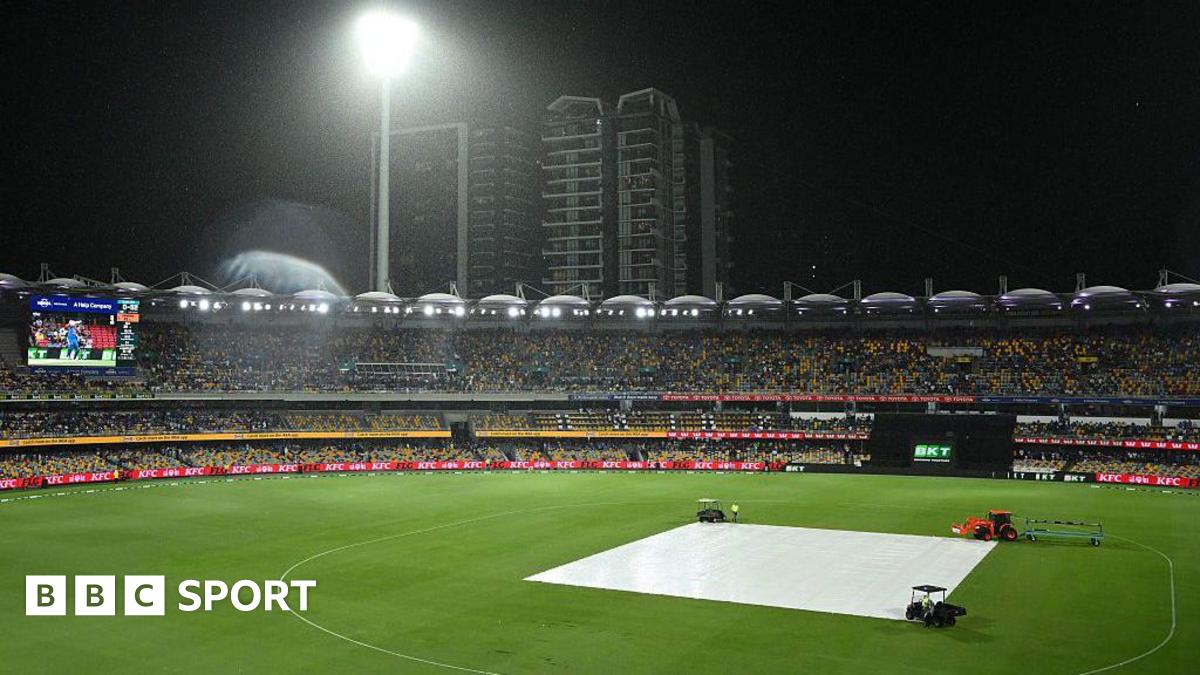
India Clinches T20 Series Victory Against Australia Amidst Rain-Affected finale
The Indian cricket team secured a 2-1 series win against Australia, despite a rain-soaked final match in Brisbane on november 8th, 2025, being called off. This victory marks a meaningful confidence boost for India as they prepare to co-host the T20 World Cup in February, alongside sri Lanka. The series, punctuated by weather interruptions, showcased india’s growing prowess in the shortest format of the game and highlighted the challenges of scheduling in unpredictable climates. This article delves into the details of the series, analyzes key performances, and examines the implications for both teams heading into the global tournament.
A Series Defined by Interruption and Resilience
The five-match T20 series was far from straightforward. The opening match in Canberra was also abandoned due to rain, setting a frustrating tone. australia managed to salvage a win in the second game played in Melbourne, demonstrating their competitive spirit on home soil. however, India responded emphatically, securing decisive victories in Hobart and on the Gold Coast, effectively sealing the series before the final, washed-out encounter in Brisbane.
Did You Know? This is only the second instance in recent history where a bilateral T20 series between Australia and India has concluded with a match being abandoned due to weather.
The Brisbane match itself saw India off to a strong start. Invited to bat first,the opening pair of Abhishek Sharma and Shubman Gill quickly established a 52-run partnership without loss in 4.5 overs. Their aggressive intent and seamless understanding at the crease signaled a potentially high-scoring innings. However, a sudden thunderstorm forced play to halt, and persistent rain ultimately led to the match being called off.
Key Performances and Emerging Players
While the series lacked a conclusive finish in Brisbane,several players stood out. Shubman Gill’s consistent run-scoring throughout the series cemented his position as a key member of the Indian batting lineup. His ability to adapt to different conditions and accelerate his scoring rate proved crucial. abhishek Sharma’s aggressive opening approach also injected dynamism into the Indian innings.
Pro Tip: When analyzing T20 performances,focus on strike rates and boundary percentages. These metrics provide a clearer picture of a player’s impact in the powerplay and middle overs.
From an Australian perspective, while the series result was disappointing, several players showed promise. The Australian bowling attack, despite facing challenging conditions, demonstrated resilience. Identifying and nurturing these emerging talents will be vital for Australia’s success in the upcoming T20 World Cup.
Tactical Insights and Series Takeaways
The series highlighted the importance of adaptability in T20 cricket. The frequent rain interruptions forced both teams to adjust their strategies and game plans on the fly. India’s ability to quickly recalibrate and maintain their momentum after the first washout proved to be a significant advantage.
Moreover, the series underscored the value of a strong opening partnership. The consistent starts provided by Sharma and Gill allowed India’s middle order to play with greater freedom and express themselves. Australia, on the othre hand, struggled to find a consistent opening combination, which hampered their scoring rate in crucial phases of the game.
| Metric | India | Australia |
|---|---|---|
| Total Runs Scored (across played matches) | 785 | 720 |
| Average Run Rate | 8.72 | 7.98 |
| Wickets Taken | 45 | 40 |
Implications for the T20 World Cup
This series win provides a significant morale boost for India as they prepare to co-host the T20 World Cup. The team’s ability to perform consistently under pressure, even amidst challenging conditions, will be a valuable asset. Though, they will need to address areas of concern, such as strengthening their death bowling and
Worth a look