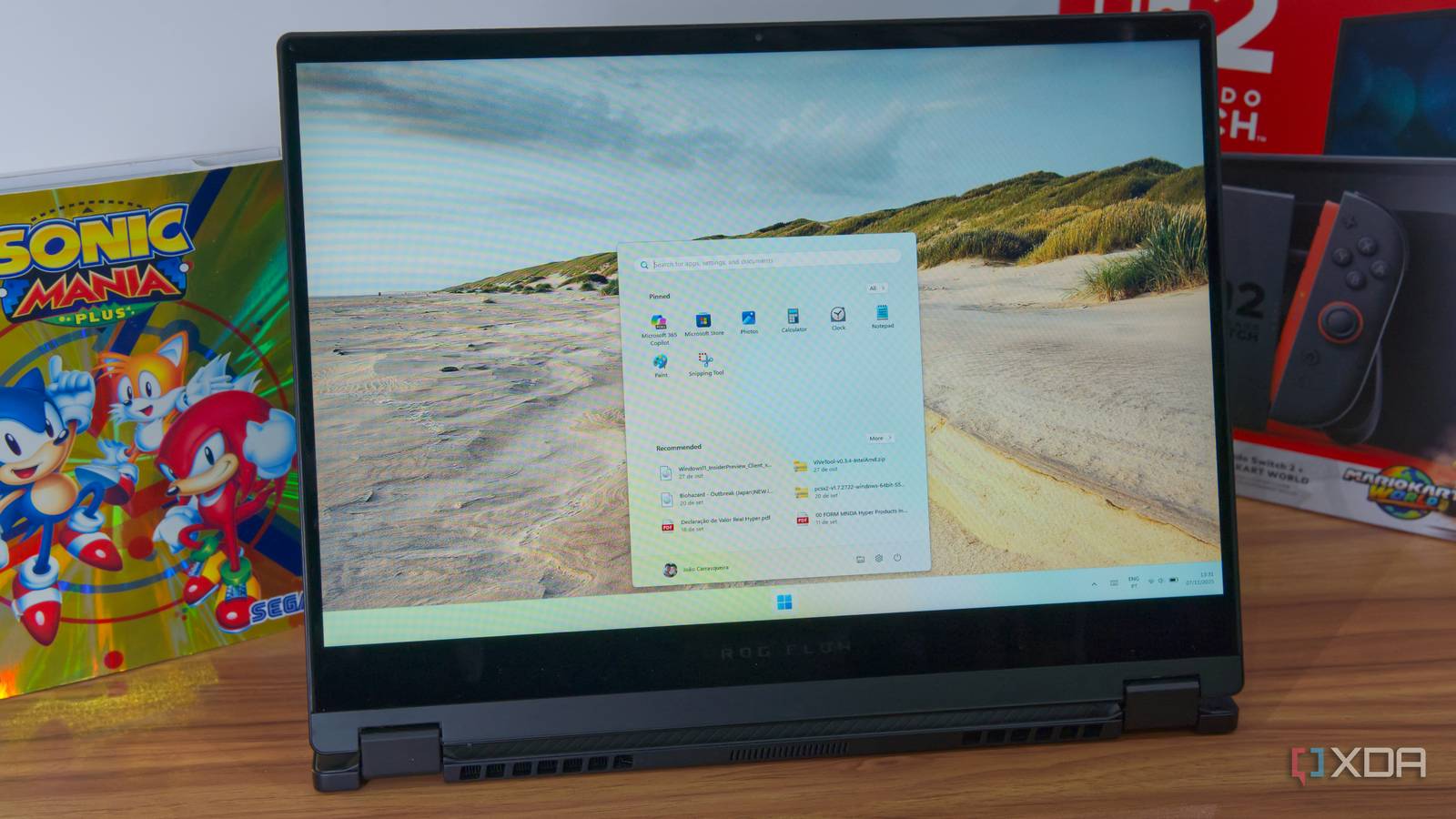
The quest for the perfect 2-in-1 laptop: Why We’re Still Waiting
The 2-in-1 laptop – a device promising the versatility of a tablet with the power of a traditional laptop – remains a compelling, yet frequently enough frustrating, category. As someone who’s followed this evolution for years, I can tell you the potential is huge. But consistently delivering on that promise? That’s proven surprisingly difficult. Let’s dive into why, and what needs to happen for 2-in-1s to truly shine.
The Hardware is Getting There
We’re seeing real progress on the hardware front. Manufacturers are increasingly focused on squeezing more performance into thinner and lighter designs. This is crucial. You want a device that can handle demanding tasks like photo editing without feeling like a compromise.
* More Power, Less Bulk: expect continued advancements in processor efficiency and integrated graphics.
* Display Technology: OLED screens are becoming more common, offering vibrant colors and improved power efficiency.
* Improved Hinge Mechanisms: Robust and smooth hinges are essential for a seamless transition between laptop and tablet modes.
However, hardware isn’t the whole story. A fantastic screen and powerful processor are wasted without a software experience to match.
The 2-in-1 Software Conundrum: Apple, Microsoft, and Beyond
This is where things get tricky. Currently, no operating system truly nails the 2-in-1 experience.Android and iPadOS excel on tablets, but fall short as laptop replacements. Windows, Linux, and macOS are built for laptops, but often feel clunky with touchscreens.
Windows: The Best of a Limited Bunch
Despite its flaws, Windows remains the moast versatile option. It’s the closest we get to a unified experience.
* Touch Support: Windows offers touchscreen gestures, adequately sized touch targets, and a generally functional touch keyboard.
* accessibility: A touch keyboard button can be added to the taskbar for easy access.
But even Windows 11 isn’t perfect. Microsoft had a glimpse of brilliance with Windows 8.1. It was designed first for touch, resulting in an intuitive and engaging tablet experience.It felt…alive. Windows 11, by comparison, feels like an afterthought – “making touch work” rather than “designing for touch.”
The subtle details mattered in 8.1: the responsiveness of the Start screen, the fluidity of animations, the satisfying feedback from long-presses.These elements are largely missing in Windows 11’s touch implementation.
Alternatives?
Linux distributions haven’t yet cracked the touchscreen code. A potential workaround is using Waydroid to run Android apps within Linux,effectively creating a tablet-like experience. However,this is a more advanced solution.
why Isn’t Apple Stepping Up?
Apple’s approach is…peculiar. They’ve steadily transformed the iPad Pro into a laptop-like device, but continue to hamstring it with the limitations of iPadOS.A true 2-in-1 from Apple,with a fully-fledged macOS experience,would be a game-changer. But don’t hold your breath.
The Missing Piece: A Truly Unified OS
Ultimately, the biggest hurdle is the lack of an operating system designed from the ground up for the 2-in-1 form factor. We need an OS that seamlessly adapts to both keyboard/mouse and touch input, offering a consistent and intuitive experience in either mode.
* Context-Aware Interface: The OS should intelligently adjust the interface based on how you’re interacting with the device.
* Optimized Apps: Applications need to be designed with both touch and traditional input in mind.
* Seamless transition: Switching between laptop and tablet modes should be instantaneous and fluid.
until we have that, 2-in-1 laptops will remain a compromise.
The Future of 2-in-1s: A Persistent Dream
I remain a firm believer in the 2-in-1 concept. Despite the frustrations, the versatility is undeniable.But there’s always something missing, preventing these devices from reaching their full potential. Perhaps that’s why the form factor hasn
Keep reading