The Fallout From Kimmel: A Disney Dispute Sparks Industry-Wide Debate
The recent suspension of late-night host Jimmy Kimmel following a controversial segment has ignited a firestorm of protest within Hollywood,extending far beyond a simple network reprimand. This isn’t just about one comedian; it’s a flashpoint in a larger conversation about network responsibility, artistic freedom, and the power dynamics within the entertainment industry.
The Initial Spark & Political Reaction
Initially, the controversy stemmed from a segment on Kimmel’s show that drew criticism from some conservative figures. Later, Disney, ABC’s parent company, suspended Kimmel, a decision that instantly drew a sharp reaction. Former President Donald Trump publicly celebrated the suspension, labeling it “great news for America,” and later expressed disbelief at Kimmel’s reinstatement, dismissing ABC as “losers.”
A United Front of Hollywood Stars
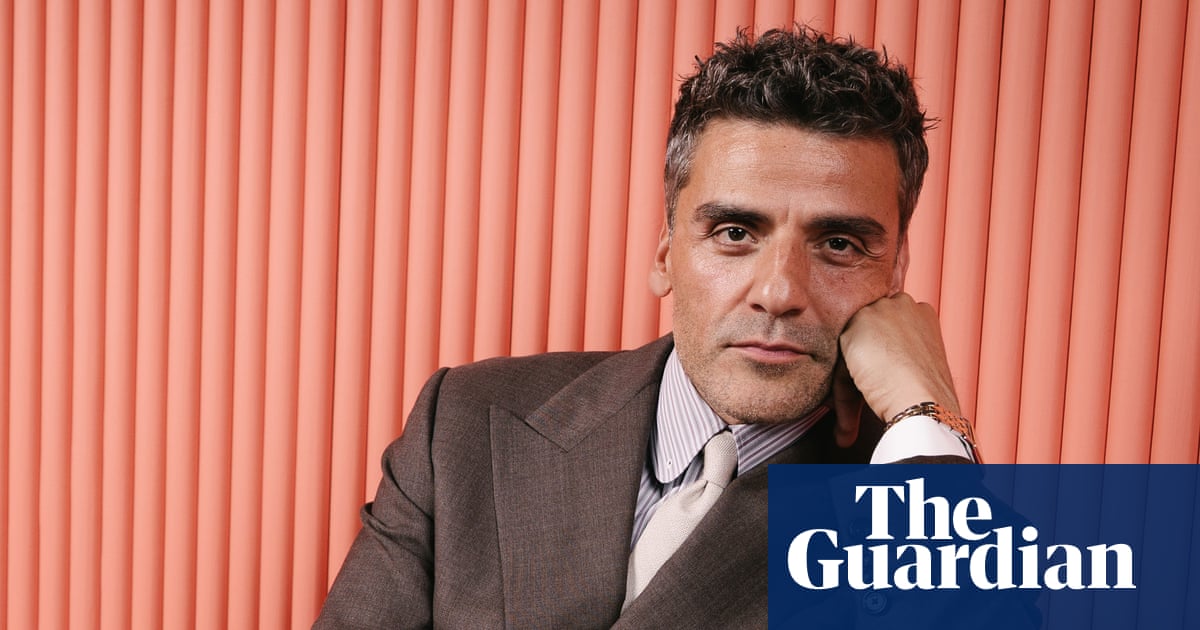
However, the most notable response came from within the entertainment community itself.A wave of prominent actors and creatives rallied to Kimmel’s defense, publicly criticizing Disney’s actions. Oscar Isaac, known for his role as Poe Dameron in the Star Wars sequel trilogy, was among the first to voice his disapproval.
Here’s a look at who else joined the chorus:
* Pedro Pascal: The Last of Us star voiced strong support for Kimmel.
* Mark Ruffalo: The Avengers actor condemned the suspension.
* Olivia Rodrigo: The singer-songwriter also publicly backed Kimmel.
* Tatiana Maslany: The She-Hulk actress urged fans to cancel subscriptions to Disney-owned streaming services.
* Damon Lindelof: The creator of Lost vowed to avoid future projects with Disney+ until Kimmel’s position was secure.
This widespread support demonstrates a growing concern among creatives about the potential for corporate influence to stifle artistic expression.
The financial Impact & Regulatory Scrutiny
The backlash wasn’t limited to social media statements.Reports indicate that cancellation rates for Disney+ and Hulu doubled following Kimmel’s suspension, suggesting a tangible financial impact. You might be wondering if this was just a vocal minority, but the numbers speak for themselves.
Moreover, the situation has attracted the attention of regulators. Brendan Carr, a commissioner with the federal communications commission (FCC), faced scrutiny for comments suggesting pressure on broadcasters regarding Kimmel’s airtime. He is scheduled to testify before the senate commerce committee in December, were Senator Ted Cruz has already labeled Carr’s remarks as “hazardous.”
What does This Mean for the Future?
This incident raises critical questions about the relationship between entertainment companies, their talent, and the public. It’s a reminder that creative freedom isn’t guaranteed, and that corporations have the power to influence what you see and hear.
Consider these key takeaways:
* The power of collective action: The unified response from Hollywood demonstrates the impact of artists speaking out.
* Consumer influence: The surge in subscription cancellations shows that viewers can make their voices heard.
* Regulatory oversight: The FCC’s involvement highlights the potential for government intervention in content disputes.
Ultimately, the Kimmel controversy serves as a cautionary tale.It underscores the importance of protecting artistic expression and ensuring that entertainment remains a platform for diverse voices and perspectives. As consumers,you have the power to support the content and creators you believe in,and to demand accountability from the companies that produce it.
Related reading