Liverpool FC vs. The BBC: A Deep Dive into the Controversy & Media Ethics
Have you ever wondered how past journalistic failings can continue to ignite present-day outrage? The recent clash between Liverpool Football Club and the BBC highlights a deeply sensitive issue: the enduring impact of irresponsible reporting and the ongoing fight for accountability. This isn’t just about football; its about journalistic integrity and respecting the memories of those tragically lost.
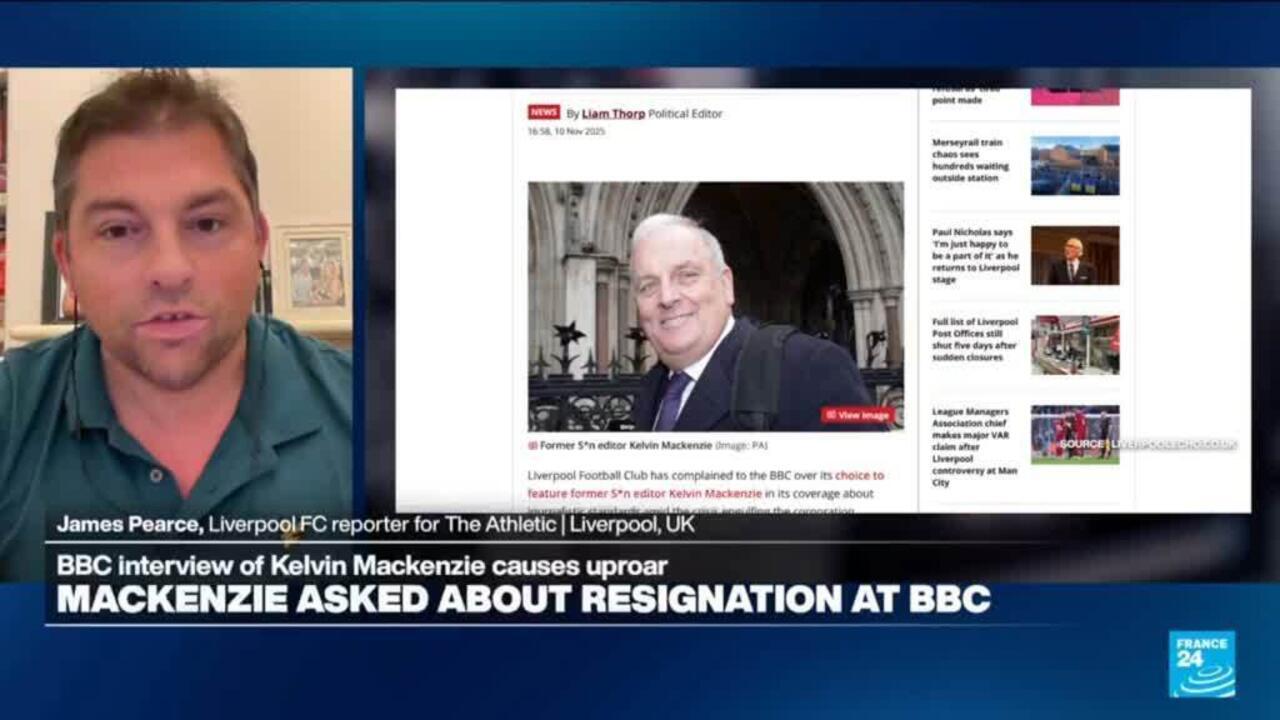
Liverpool FC recently filed an official complaint after the BBC invited Kelvin MacKenzie, a former editor of The Sun, to participate in a discussion concerning journalistic standards. this decision sparked immediate and intense backlash from the club and, crucially, from survivors and families affected by the Hillsborough disaster.Understanding the history behind this anger is vital to grasping the gravity of the situation.
The Hillsborough Shadow & The sun’s Role
The roots of this dispute lie in The Sun’s deeply flawed and damaging coverage of the 1989 Hillsborough tragedy. The newspaper published false and inflammatory claims, falsely accusing Liverpool fans of theft and violence, effectively blaming the victims for the disaster. These accusations, later proven entirely untrue, caused immense pain and suffering to the families and community.
This isn’t ancient history. The Independent Inquiry into the Hillsborough disaster, published in 2012, unequivocally exonerated Liverpool fans and condemned the police and media for their failures. Recent research from the University of Liverpool (November 2023) demonstrates that the trauma associated with the disaster and subsequent media coverage continues to significantly impact the mental health of survivors and bereaved families.
Why MacKenzie’s Inclusion Matters
Kelvin MacKenzie, as the editor of The Sun at the time of the inaccurate reporting, bears significant responsibility for the harm caused. Inviting him to discuss media ethics feels, to many, like a profound insult. It raises serious questions about the BBC’s judgment and its commitment to sensitivity and responsible journalism.
Consider this: would you feel cozy hearing from someone directly involved in spreading misinformation about a tragedy that deeply affected your community? The outrage isn’t about stifling debate; it’s about recognizing the power of platforms and the importance of avoiding the re-traumatization of vulnerable individuals.
Beyond the Complaint: Broader Implications for News Standards
This incident isn’t isolated. It’s part of a larger conversation about accountability within the media landscape. The rise of “fake news” and the erosion of public trust in journalism demand a renewed focus on ethical reporting practices. Hear are some key areas for improvement:
* Fact-checking: Rigorous verification of information before publication is paramount.
* Source reliability: Evaluating the credibility and potential biases of sources.
* Sensitivity and empathy: Reporting on tragedies with respect and consideration for those affected.
* Clarity: Clearly disclosing any potential conflicts of interest.
* Retraction and correction: Promptly and publicly correcting errors.
The BBC has defended its decision, stating that MacKenzie was invited to offer a viewpoint on the challenges facing the press. however,critics argue that providing a platform for someone with a history of demonstrably unethical behavior undermines the very principles of responsible journalism. The Society of Editors has recently (October 2024) released updated guidelines emphasizing the need for sensitivity when reporting on traumatic events, a direct response to ongoing concerns like this one.
What Can You Do? Supporting Ethical Journalism
You, as a consumer of news, have a powerful role to play in promoting ethical reporting. Here’s how:
- Be a critical consumer: Question the information you encounter and seek out diverse sources.
- Support independent journalism: Subscribe to reputable news organizations that prioritize accuracy and integrity.
- Hold media accountable: File complaints when you encounter biased or inaccurate reporting.
- Engage in constructive dialog: Discuss media ethics with your friends, family, and community.
- Promote media literacy: Educate yourself and