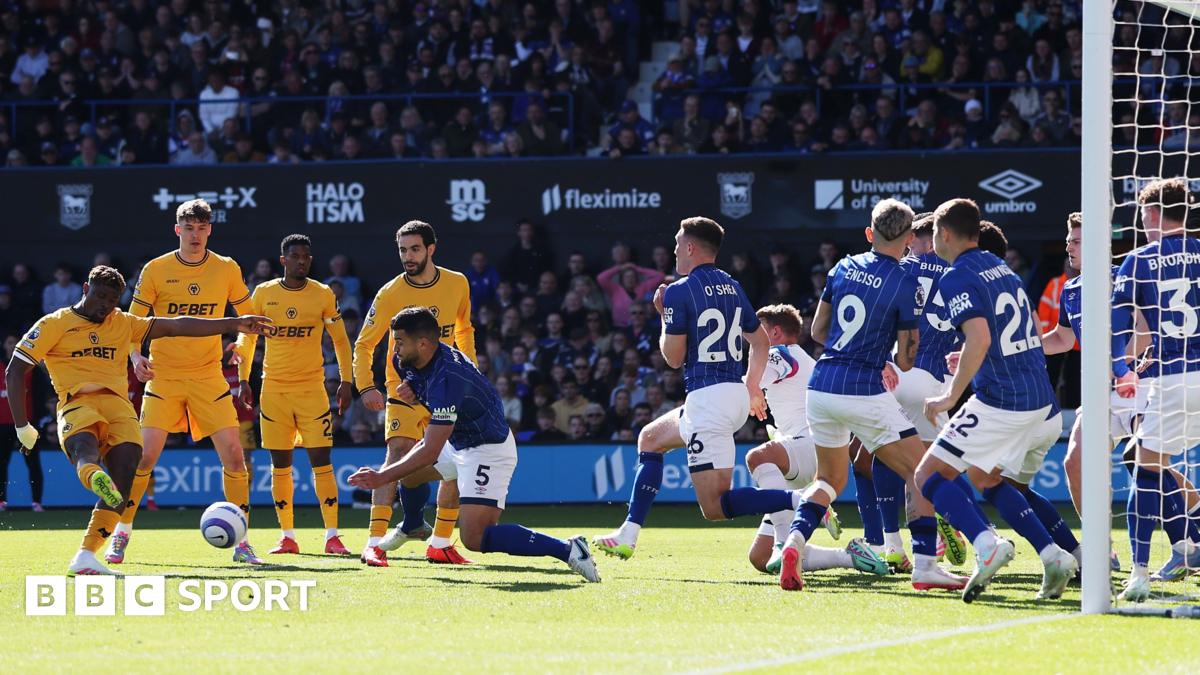
Reimagining Football’s Laws: The Case for Free Kicks Over penalties in the Box
The modern game of football is increasingly defined by tactical nuance and, arguably, an over-sensitivity to contact. A growing debate centers around the frequency of penalties awarded for seemingly minor infractions within the penalty area. This article delves into a radical proposition: replacing penalties with free kicks for fouls committed inside the box. This isn’t simply about reducing penalty kicks; it’s about fundamentally altering the defensive landscape, influencing attacking strategies, and perhaps reshaping the very fabric of the gorgeous game. We’ll explore the potential ramifications, drawing on tactical analysis, past trends, and expert perspectives to assess whether this change could truly improve the spectacle and fairness of football tactics.
The Current Penalty Problem: A Tactical Inhibitor
The current penalty system, while intended to punish clear goal-scoring opportunities denied by foul play, has inadvertently created a tactical imbalance. Defenders are increasingly hesitant to engage in legitimate challenges, fearing the almost inevitable award of a penalty for even minimal contact. This hesitancy is especially pronounced when defending against forwards with their backs to goal,a common tactic for holding up play and bringing teammates into attacking positions.
This fear has led to a more passive style of defending, allowing attackers greater freedom within the penalty area. The outcome? A surge in penalties awarded, and a perceived erosion of the art of defending.The incentive structure currently favors attackers; a slight touch can yield a game-changing penalty. This isn’t about condoning fouls, but about recalibrating the risk-reward ratio for defenders. The current rules, while aiming for fairness, are arguably stifling aggressive, proactive defending.
The Free Kick Choice: Empowering Defenders & Shifting Attacking Focus
Switching to free kicks for in-box fouls would dramatically alter this dynamic. Defenders would be empowered to engage more physically, stepping in to challenge attackers without the constant dread of conceding a penalty. This would likely lead to more robust, front-footed defending, particularly against forwards attempting to control the ball with their back to goal.
The implications extend beyond central defense. In wider areas, defenders could more confidently usher attackers out of the box, reducing the number of crosses and cutbacks.this shift would necessitate a change in attacking strategies. Sustained pressure in central areas, often rewarded with penalties, would become less effective. Instead, teams might prioritize faster, more direct attacks, exploiting space in behind the defense before they can establish a deep, compact low block. This would favor pace, incisive passing, and swift transitions – a style of play that many fans find more exciting.
Tactical Repercussions: A Deeper Dive into Attacking & Defensive Adjustments
The ripple effect of this rule change would be ample. Here’s a breakdown of potential tactical adjustments:
* Defensive Structures: Teams would likely adopt more aggressive pressing strategies, aiming to win the ball higher up the pitch and prevent opponents from establishing a secure low block. The risk of conceding a penalty would be diminished, encouraging more proactive defending.
* Attacking Strategies: A greater emphasis on wide play and crossing would likely emerge. Penetrating a well-organized low block centrally would become more challenging, forcing teams to utilize the flanks. Direct running and quick combinations would also be prioritized.
* Set-Piece Importance: Free kicks, particularly those in dangerous positions around the penalty area, would become even more crucial.Teams would invest heavily in set-piece specialists and develop intricate routines.
* Player Profiles: The demand for physically strong, aggressive defenders would increase. Similarly, attackers capable of quick, direct runs and exploiting space would be highly valued.
| Feature
|
|---|