Ancient DNA reveals a Remarkably Isolated Indigenous Lineage in Argentina
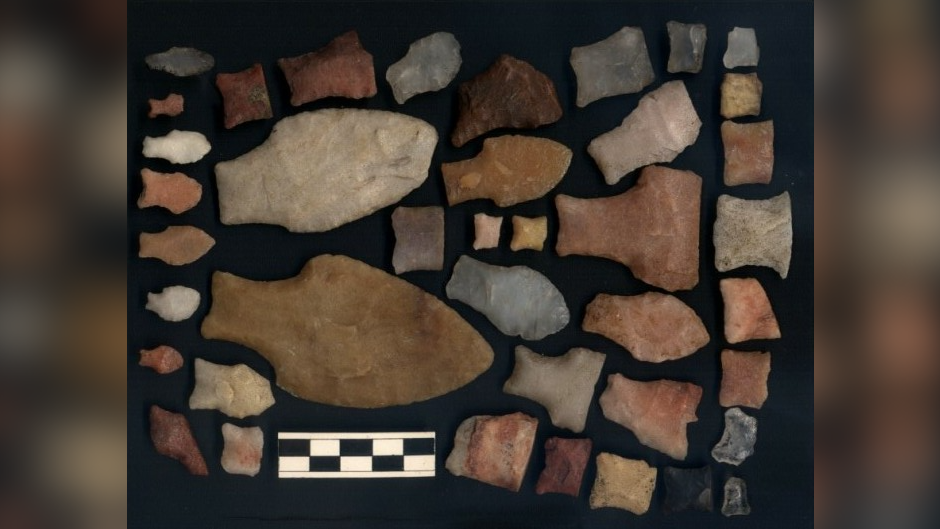
For decades, archaeologists have relied on the widespread distribution of distinctive “fishtail” stone projectile points across the Southern Cone of South America (Argentina, Chile, Paraguay, and Uruguay) to understand ancient migration patterns.The expectation was that ancient DNA analysis would corroborate these findings, painting a clearer picture of how people moved and interacted throughout the continent. However, recent genomic research has unveiled a surprising and compelling story – one of remarkable isolation and resilience.
A team of researchers has discovered a “deep genetic lineage” that thrived in central Argentina for over 8,000 years, persisting until at least A.D. 1800 with minimal genetic mixing with neighboring groups. This finding challenges long-held assumptions about population movement and interaction in the region.
A Lineage Unlike Any Other
The study, published in scientific Reports, analyzed ancient skeletal remains and revealed a genetic signature that remained largely distinct for millennia. This isn’t simply a case of a population existing in isolation; it’s a lineage that demonstrably avoided meaningful genetic exchange despite existing alongside other groups.
What makes this even more intriguing? The researchers found that this ancient lineage remains the primary Indigenous American genetic component in the region today. While the archaeo-genetic trail ends around 200 years ago, its legacy lives on in the DNA of modern Argentinians.
Why the Isolation? A Puzzle for Researchers
Central Argentina lacks significant geographical barriers that would naturally restrict movement and interaction. So, why did this group maintain its genetic distinctiveness for so long? This is the central question driving further research.
Several major historical events unfolded during this 8,000-year period, events that typically promote population mixing:
* Prolonged droughts: Resource scarcity often forces groups to seek help from, and ultimately integrate with, others.
* Shift to agriculture: The transition from hunting and gathering to farming often leads to increased population density and interaction.
* Arrival of Amazonian populations: The influx of new groups usually results in genetic exchange.
Yet, despite these pressures, this lineage persevered, maintaining its unique genetic identity.
Language Doesn’t Equal Lineage
Interestingly, the study also noted that linguistic diversity didn’t correlate with genetic differences. While numerous languages were spoken in central Argentina historically, the people shared a common genetic background. This suggests that language shifted and evolved within the lineage without signifying distinct biological groups. In essence, they likely spoke many languages, but remained genetically connected.
What This Means for Understanding South American History
This discovery isn’t the final chapter in understanding the genetic history of Argentina. However, it provides a crucial foundation for future research. As the researchers themselves state, this genetic structure offers a valuable framework for correlating archaeological findings and deepening our understanding of this significant region.
Looking ahead, further research will focus on:
* Identifying the specific factors that contributed to this group’s isolation.
* Exploring the cultural practices that may have reinforced their distinct identity.
* Investigating the relationship between this lineage and other Indigenous groups in South America.
This research underscores the complexity of human history and reminds us that simple narratives of migration and interaction often mask far more nuanced and engaging realities. It’s a testament to the power of ancient DNA to rewrite our understanding of the past and illuminate the enduring legacy of Indigenous populations.
Sources:
* https://www.nature.com/articles/s41598-022-21287-0
* [https://www.livescience.com/archaeology/ancient-dna-reveals-mysterious-indigenous-lineage-that-lived-in-argentina-for-nearly-8-500-years-but-rarely-interacted-with-others](https://www.livescience.com/archaeology/ancient-dna-reveals-mysterious-indigenous-lineage-that-lived-in-argentina-for-nearly-8-500-years-but-rarely-interacted-
Related reading