
EU Solidary Mechanism: Which Countries Face Increased Migration Pressure & What It Means for You
The European Union is moving forward with a revamped migration policy, aiming to share the obligation for asylum seekers more equitably. This follows a sweeping overhaul of EU migration policies adopted in 2024. But what does this mean for you,and which countries are most affected? HereS a thorough breakdown.
The New “Solidarity” System: How it effectively works
For years, countries on the Mediterranean Sea - like italy, Greece, and Spain – have borne the brunt of migrant arrivals. The new system, designed to alleviate this pressure, introduces a ”solidarity” mechanism.
Essentially, it works in two ways:
* Relocation: some EU countries will be required to accept asylum seekers from frontline states.
* Financial Contribution: Alternatively, countries can contribute €20,000 ($23,000) per person to support those nations.
This system isn’t without its challenges. Negotiations within the 27-nation bloc are expected to be tough, as manny countries are hesitant to commit to taking in more people. Lobbying efforts have already delayed the initial announcement by a month.
which Countries Are Under “Migratory Pressure”?
On Tuesday, the European Commission identified the initial countries facing disproportionate migratory pressure. These include:
* Greece & Cyprus: Due to consistently high arrival numbers over the past year.
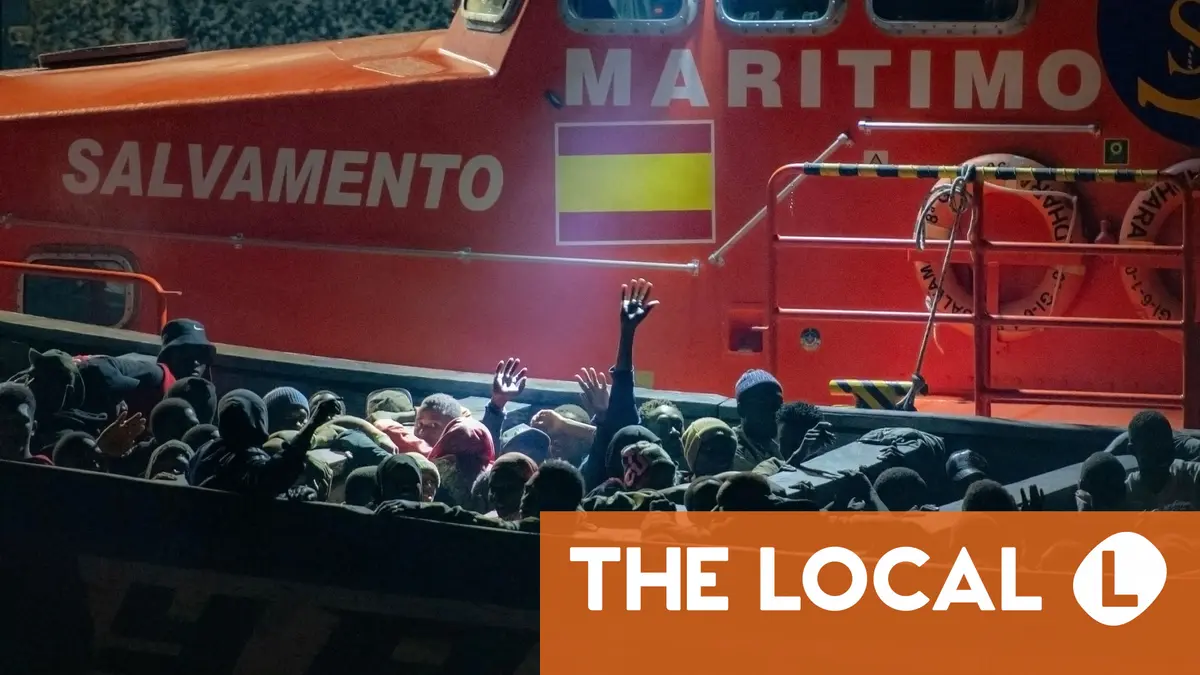
* Spain & Italy: As of a significant number of arrivals resulting from search and rescue operations at sea.
These nations will be the primary beneficiaries of the solidarity mechanism, relying on other EU members to either relocate asylum seekers or provide financial assistance.
What’s the Scale of the Challenge?
the EU anticipates needing to relocate at least 30,000 migrants annually under this new system.though, the final number is still under discussion. A crucial decision – determining where these individuals will go – must be finalized by the end of December.
Resistance and Political Considerations
Several EU countries have already signaled their preference for financial contributions over accepting asylum seekers. Offering to take in more migrants carries significant political risk, as governments across the bloc face pressure to tighten immigration policies.
This resistance highlights the complex political landscape surrounding migration in Europe.it also underscores the difficulty of achieving true solidarity among member states.
recent Developments & Further reading
The implementation of this new system comes amidst growing anti-migrant sentiment in some EU nations.
* Spain: Has seen protests mirroring those in the UK, targeting migrant centers.
* Spain (Potential Policy Changes): A potential shift in power could impact migration laws, affecting foreigners.
* Anti-Migrant Unrest: Recent unrest in Spain reflects broader concerns about migration.
This is a developing story. We will continue to provide updates as negotiations progress and the new system takes shape.


