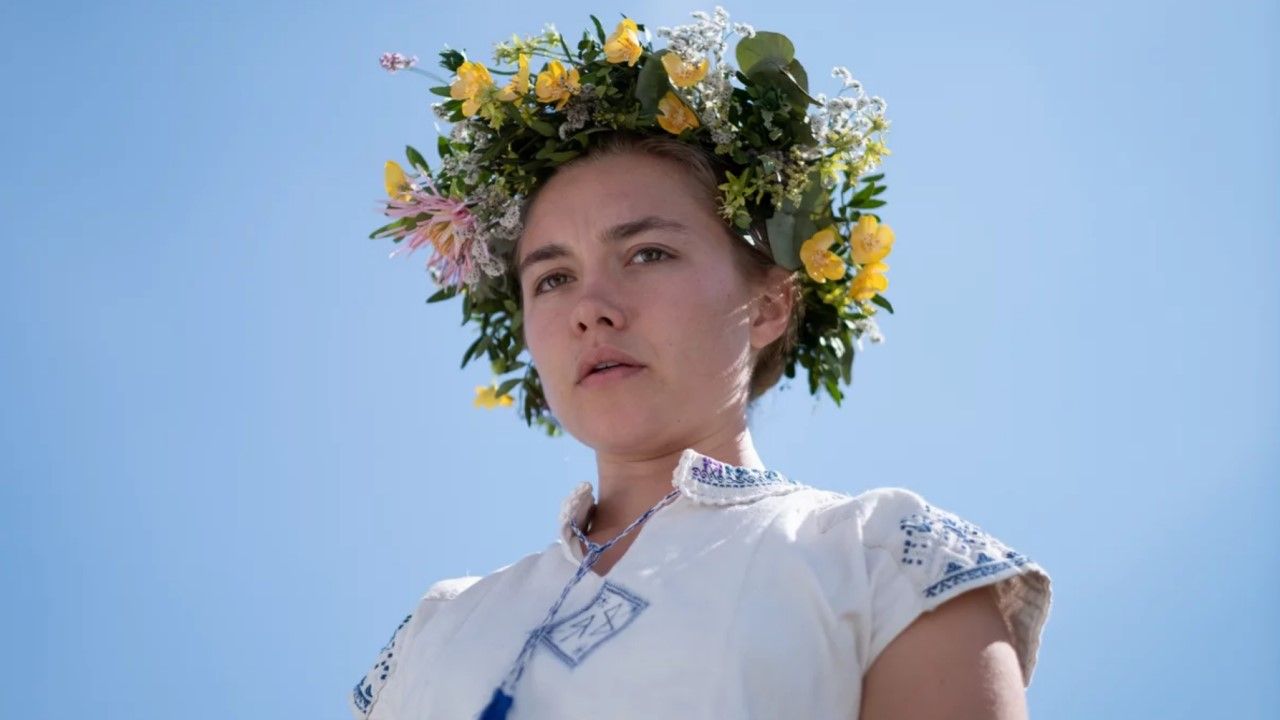
The Lingering Shadows of “Midsommar“: Florence Pugh on the Emotional Toll of Dark Roles
Florence Pugh’s captivating performances have cemented her status as one of the most talented actors of her generation.However, beneath the surface of critical acclaim lies a candid acknowledgment of the emotional weight she carries from intensely dark roles. Recently, the acclaimed actress opened up about the profound impact filming Ari Aster’s unsettling horror film, Midsommar, had on her mental wellbeing.
Pugh’s experience serves as a powerful reminder of the dedication - adn potential cost – actors face when immersing themselves in challenging material. It highlights the importance of self-care and emotional processing within the demanding world of filmmaking.
A Descent into Darkness
The role of Dani Ardor in Midsommar required Pugh to navigate a landscape of grief, trauma, and escalating psychological distress. She fully embodied a character grappling with unimaginable loss,and the process proved far more consuming than she initially anticipated.
Pugh has explained that the darkness of the role seeped into her personal life, triggering a period of depression she hadn’t fully anticipated. It wasn’t simply about acting; it was about inhabiting a space of profound sadness and vulnerability.
finding Light with “Little Women“
Interestingly, a stark contrast emerged with her subsequent project, Greta Gerwig’s adaptation of Little Women. Pugh described the set as remarkably warm and supportive.
This positive surroundings provided a much-needed respite from the emotional intensity of Midsommar. It allowed her to temporarily step away from the darkness and reconnect with a sense of joy and collaboration. However,she soon discovered that this reprieve wasn’t a permanent solution.
The Return of Shadows
Despite the uplifting experience of filming Little Women, the underlying effects of Midsommar resurfaced. Pugh recounts a wave of depression washing over her during the Christmas holiday following the film’s completion.
She realized the emotional fallout from the intense role hadn’t been fully processed. This realization prompted a crucial self-assessment and a commitment to better managing her emotional wellbeing on future projects.
learning from Experience
Now, Pugh approaches her work with a greater awareness of her own emotional boundaries. She’s become more adept at separating herself from the characters she portrays.
She acknowledges that each film offers an opportunity for growth, both as an actor and as an individual. While she’s grateful for the experience of Midsommar, she’s hesitant to repeatedly immerse herself in such emotionally draining roles.
Here’s what you can take away from Pugh’s experience:
* Emotional Immersion Has a Cost: Deeply inhabiting a character, especially one experiencing trauma, can have a notable impact on your own mental health.
* Supportive Environments Matter: A positive and collaborative set can provide a crucial buffer against the emotional toll of challenging roles.
* Self-Awareness is Key: Recognizing your own emotional boundaries and prioritizing self-care is essential for long-term wellbeing.
* Processing is Crucial: Allowing yourself time to process and decompress after an intense project is vital for preventing lingering emotional effects.
Ultimately, Florence Pugh’s story is a testament to her strength, vulnerability, and dedication to her craft. Its a reminder that even the most talented actors are human beings with emotional needs. Her willingness to share her experience serves as a valuable lesson for anyone navigating the complexities of creative work and personal wellbeing.