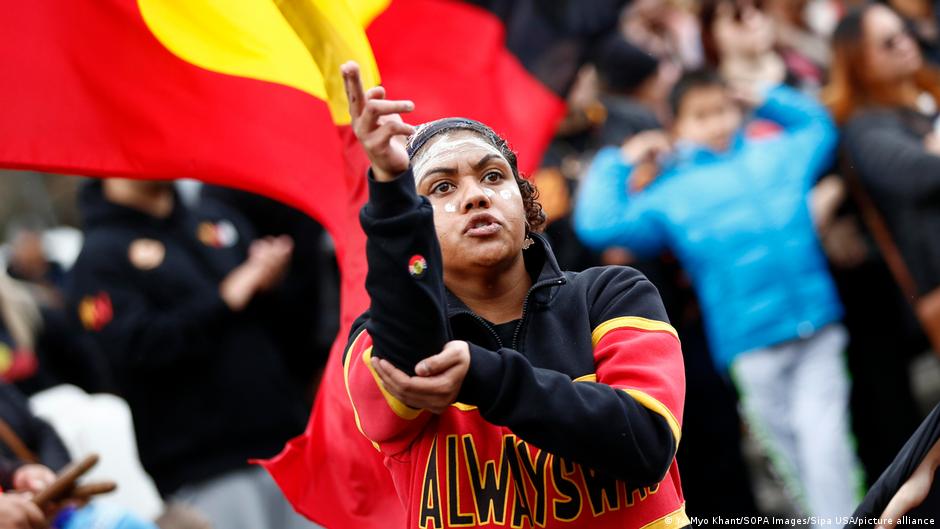
The Ongoing Journey Towards Reconciliation for Indigenous Australians
Australia’s path to acknowledging and addressing the historical and ongoing challenges faced by its Indigenous population is a complex one. For millennia, Aboriginal and Torres Strait Islander peoples thrived on this continent, with evidence suggesting human settlement dating back over 60,000 years. However, British colonization beginning in 1788 dramatically altered this landscape, initiating a period marked by devastating consequences for Indigenous communities.
A History of Dispossession and Its Lasting effects
The arrival of colonists led to widespread massacres, forced displacement from ancestral lands, and the introduction of diseases to which Indigenous Australians had no immunity. Consequently, the Aboriginal population experienced a significant decline. Today, Australia’s roughly one million Indigenous citizens continue to face systemic disadvantages, consistently tracking below national averages across key socio-economic indicators.
these disparities impact every facet of life, including healthcare access, housing security, educational opportunities, and the ability to practice and preserve their rich cultural heritage. Improving these outcomes isn’t just a matter of fairness; it’s essential for building a stronger, more equitable Australia for everyone.
Recent Setbacks and Continuing Efforts
While many countries colonized by Britain – like new Zealand and canada – have established treaties with their Indigenous populations,Australia has historically lagged behind in this crucial step towards reconciliation. A recent national referendum in 2023 aimed to enshrine an Indigenous advisory body within the Australian constitution. Sadly, the proposal was rejected by 60% of voters, representing a significant setback for those advocating for greater Indigenous representation and self-determination.
Despite this disappointment, the momentum for change continues. Individuals like Jill Gallagher, a Gunditjmara woman and former Commissioner of the Victorian Treaty Advancement Commission, are leading the charge in treaty negotiations. She emphasizes that this work represents a continuation of the Aboriginal people’s long-standing resistance and determination to secure their rights.
The Path Forward: Recognizing Indigenous Wisdom
Recognizing and valuing Indigenous knowledge is also gaining prominence. Such as, traditional Aboriginal land management practices are increasingly being utilized in efforts to combat bushfires, demonstrating the profound wisdom held within these communities. This highlights the importance of collaboration and learning from Indigenous perspectives.
You might be wondering what this means for the future. It means continuing to advocate for policies that address systemic inequalities, supporting Indigenous-led initiatives, and fostering a deeper understanding of Australia’s history and culture. It means recognizing that true reconciliation requires more than just words - it demands concrete action and a genuine commitment to justice and equity.
Ultimately, creating a fairer Australia benefits everyone. When Indigenous Australians have access to the resources and opportunities thay deserve,and when their rights are respected,their lives are improved and our state is made fairer.