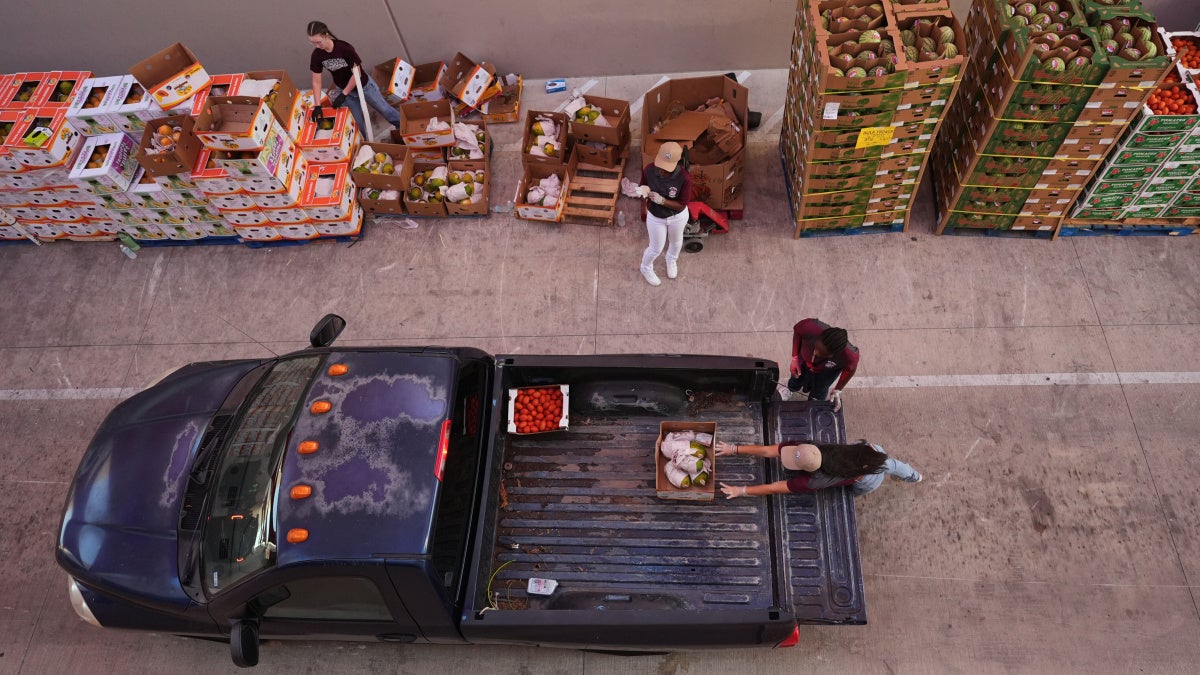
The Looming Hunger Crisis: How SNAP Cuts Threaten Millions of Americans
recent cuts to the Supplemental Nutrition Assistance Program (SNAP), often called food stamps, are pushing families across the United States to the brink. These reductions aren’t just numbers on a budget sheet; they represent real hardship,forcing challenging choices and jeopardizing the essential human right to food security. As experts who have closely monitored the impact of these policies, we’re deeply concerned about the escalating consequences.
The Reality of SNAP Cuts
The recent changes, stemming from legislation like the One big beautiful Bill Act, have significantly reduced federal funding for SNAP and other vital social safety nets. This funding was partially diverted to provide tax cuts largely benefiting the wealthiest Americans.Consequently, millions are now facing increased food insecurity.
These cuts come despite the fact that even before the reductions, SNAP benefits were often insufficient to meet families’ needs. In 2021, at the program’s peak funding level, over 25% of beneficiaries were still skipping meals.
Who is Most Affected?
The impact of these cuts isn’t felt equally. Certain populations are disproportionately vulnerable:
* Children: Nearly 39% of SNAP recipients are children under 18. Reduced benefits directly impact their nutrition and well-being.
* Families of Color: Black, Indigenous, and Latino households are twice as likely to rely on SNAP compared to white households. This exacerbates existing racial disparities in food access.
* People with Disabilities: Adults with disabilities are also significantly overrepresented among SNAP recipients. Cuts to the program create additional barriers for this already vulnerable group.
* Rural Communities: SNAP plays a critical role in reducing food insecurity in rural areas, where access to grocery stores and other resources can be limited.
SNAP isn’t just about providing food; it’s about reducing disparities. It demonstrably lessens both racial and geographic inequalities in food security.
The Human Cost: jataya Greathouse’s Story
The statistics paint a stark picture,but behind every number is a human story. Jataya Greathouse, a single mother of four battling breast cancer, exemplifies the challenges many families face. Unable to work, she relies on SNAP to feed her children.
“Some people cannot work… so by cutting [benefits], it hurts us,” Greathouse shared with Human Rights Watch. She’s forced to “stretch” meals,making every dollar count,while together navigating a serious health crisis. Her story highlights the devastating impact of these cuts on those already facing immense hardship.
Why SNAP Matters: Beyond Immediate Relief
SNAP is a crucial component of a healthy society. It’s not simply a handout; it’s an investment in the future. Here’s why:
* Economic Stimulus: SNAP benefits are quickly spent at grocery stores, boosting local economies.
* Improved Health Outcomes: Access to nutritious food leads to better health, reducing healthcare costs.
* Reduced Poverty: SNAP lifts millions out of poverty each year.
* Support During Economic Downturns: SNAP serves as a vital safety net during recessions,preventing widespread hardship.
What Needs to Happen Now
The recent government shutdown has only amplified the urgency of this situation. We urge the U.S. government to take immediate action:
- Restore Full Funding: SNAP funding must be restored to previous levels as quickly as possible.
- Halt Further Cuts: Any additional reductions to SNAP or the imposition of stricter eligibility requirements would be detrimental.
- Streamline Eligibility: Make it easier, not harder, for eligible families to access the benefits they need.
You Can Help
If you or someone you know is struggling with food insecurity, resources are available. Contact your local food bank or visit the USDA’s SNAP website (https://www.fns.usda.gov/snap/) to learn more about eligibility and how to apply.
The fight against hunger is a collective responsibility. by advocating for policies that support food security, we can ensure that all Americans have access to the nourishment they need to thrive.
Disclaimer: *This article is based on publicly available information