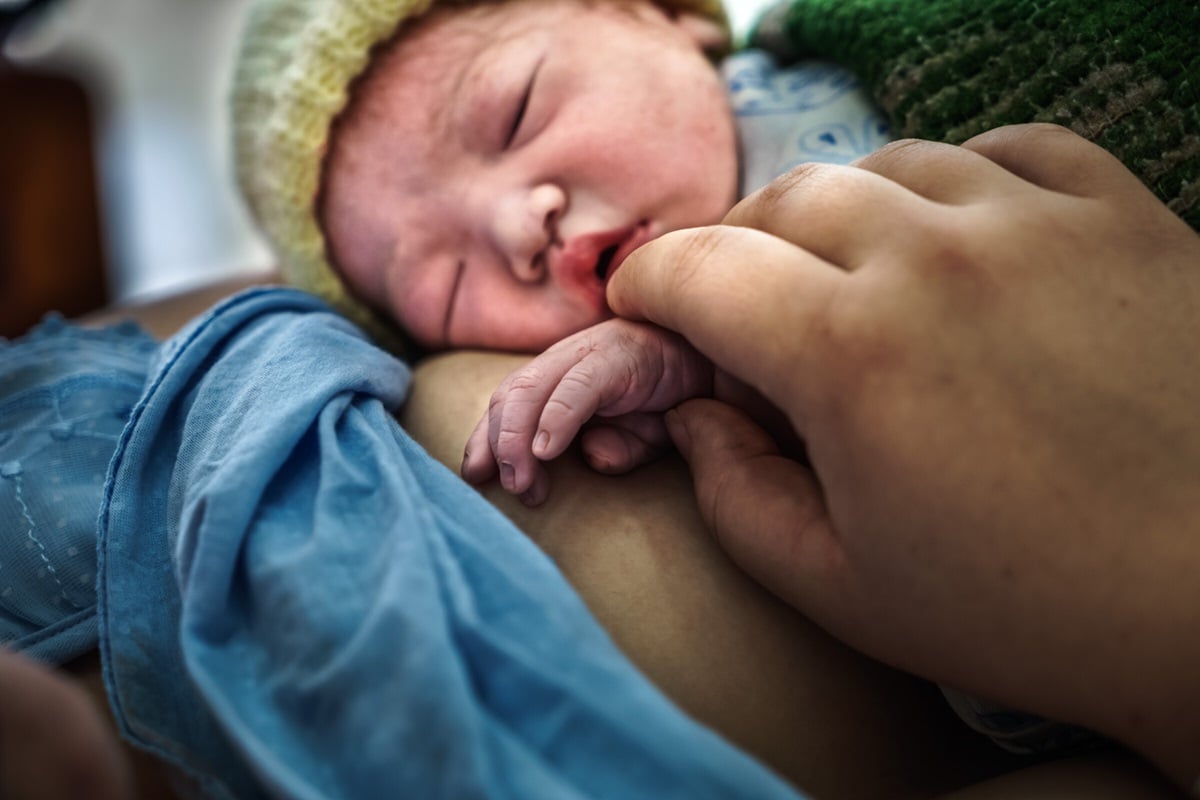
Kangaroo Mother Care: A Global Guide to Saving Premature and Low Birth weight Babies
Each year, approximately 15 million babies are born prematurely – before completing 37 weeks of gestation. This staggering number represents the leading cause of death for children under five globally. The disparity in survival rates is stark: while the vast majority of extremely preterm babies perish within days in low-income countries, nearly all survive in high-income settings. This inequity underscores a critical need for accessible, effective interventions. Now, the World Health Organization (WHO) is spearheading a global effort to bridge this gap with the official launch of its first global clinical practice guide for kangaroo Mother Care (KMC).
What is Kangaroo Mother Care and Why is it So Effective?
Kangaroo Mother Care is a deceptively simple, yet profoundly impactful, method of newborn care. It involves prolonged skin-to-skin contact between a mother (or father,or other caregiver) and the baby,coupled with frequent breastfeeding. This practice isn’t merely a comforting technique; it’s a life-saving clinical intervention with a robust evidence base.
Extensive research demonstrates KMC delivers significant benefits, including:
* Reduced Newborn Mortality: Over a 30% reduction in newborn deaths.
* Hypothermia Prevention: Nearly a 70% reduction in hypothermia, a critical threat to preterm infants.
* Infection Control: A 15% reduction in severe infections.
* Improved Growth & Advancement: Enhanced weight gain and positive long-term cognitive and health outcomes.
“KMC is not just a clinical intervention – it empowers mothers and families and transforms newborn care,” emphasizes Dr. jeremy Farrar, WHO’s assistant Director-General for Health Promotion, Disease Prevention and Care. “It should now be worldwide clinical practice for all small and preterm babies,ensuring they have the best chance to survive and thrive.”
The New WHO KMC Clinical Practice Guide: A Extensive Resource
The newly released WHO guide provides detailed, adaptable, and step-by-step instructions for healthcare professionals, facility managers, and caregivers on initiating, maintaining, and monitoring KMC. The core advice is that all preterm or low birth weight newborns should begin KMC immediately after birth, with exceptions only for those requiring urgent respiratory or circulatory support.
Key aspects of the guide include:
* Universal applicability: KMC can be implemented across all levels of healthcare facilities - from delivery rooms and operating theaters to postnatal wards, neonatal intensive care units, and even at home.
* Caregiver Flexibility: While mothers are ideally the primary KMC providers,fathers and other family members can participate,offering crucial support and bonding opportunities.
* Practical Positioning Techniques: the guide details various methods for securing the baby in the KMC position, utilizing readily available materials like cloth wraps, elastic binders, or specialized garments.
* Enabling Environments: Emphasis is placed on creating supportive hospital policies and providing staff training to facilitate triumphant KMC implementation. Crucially, the guide advocates for family-friendly practices, ensuring mothers and babies remain together whenever possible.
Why Premature Babies Need Specialized Care
Premature birth disrupts crucial developmental processes. Babies born too early often have underdeveloped lungs, brains, immune systems, and temperature regulation capabilities.This vulnerability increases their risk of:
* Infections: Immature immune systems struggle to fight off pathogens.
* Hypothermia: Difficulty maintaining body temperature.
* Respiratory Distress: Underdeveloped lungs lead to breathing difficulties.
* Heart Problems: Immature cardiovascular systems.
* Long-Term Developmental Challenges: Potential cognitive and physical impairments.
therefore, preterm and low birth weight infants require dedicated medical attention and specialized care.
A Call to Action: Prioritizing Quality Newborn Care
This World Prematurity Day, themed “A strong start for a hopeful future,” the WHO is urging governments, healthcare systems, and global partners to prioritize comprehensive care for vulnerable newborns. This includes:
* Dedicated Neonatal Units: Establishing specialized wards or facilities staffed by trained neonatal professionals providing 24/7 care.
* Essential Equipment & Medicines: Ensuring universal access to vital resources like antibiotics and respiratory support.
* Investing in maternity Services: Strengthening prenatal and delivery care to prevent preterm birth whenever possible.
“No newborn should die from preventable causes,” states Dr. Per Ashorn, WHO’s Unit Head for newborn and Child Health and Development. “It’s time to ensure every baby gets the attention they need, by investing in special care for small or sick babies, alongside quality maternity services that can prevent many occurrences of preterm birth.”
resources & Further Facts:
* World health Organization (WHO): https://www.who.int/
* WHO Global Clinical Practice Guide for kangaroo Mother care: [Link[Link[Link[Link