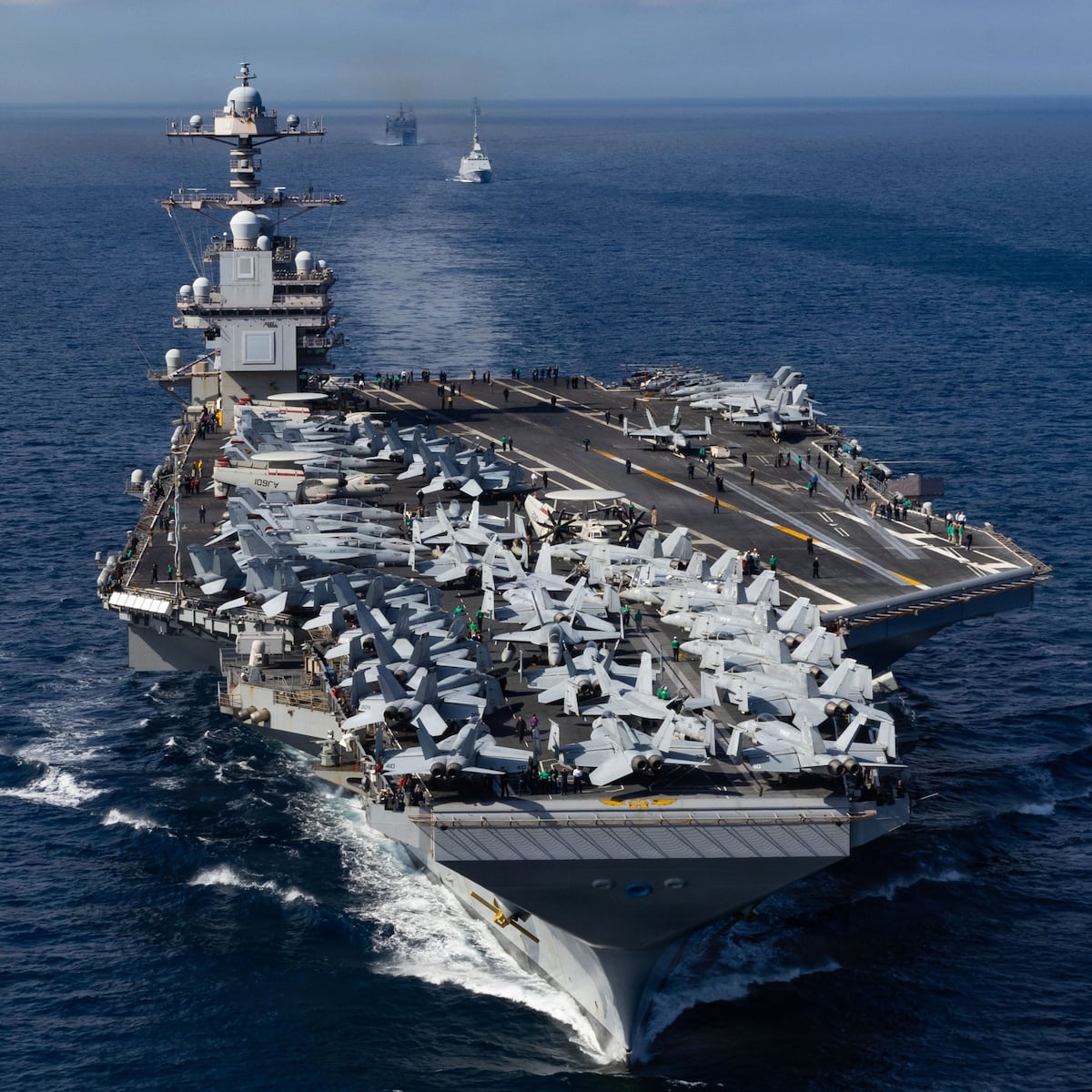
Rising Tensions in the Caribbean: U.S. Operations, Colombian Backlash, and Venezuelan Mobilization
A complex situation is unfolding in the Caribbean, marked by increased U.S. military activity targeting drug trafficking, a strained relationship with Colombia, and escalating rhetoric from Venezuela. these developments are raising concerns about regional stability and potential for conflict. Let’s break down what’s happening and why it matters to you.
the U.S. Campaign and its Focus
Recently, the United States has significantly ramped up its military presence and operations in the Caribbean Sea, ostensibly to combat the flow of narcotics. Officials maintain the focus is squarely on disrupting drug cartels and their operations. Secretary of State Marco Rubio has repeatedly emphasized this point, stating the current military campaign is directly authorized to address the drug trade.
Though, the nature of these operations – specifically, reported engagements with suspected drug-running vessels – has sparked considerable controversy. These incidents have led to accusations of excessive force and extrajudicial killings, particularly from Colombia.
Colombia’s Response and Suspension of Intelligence Sharing
Colombia’s President Gustavo Petro has strongly condemned the actions against these vessels, labeling them as ”extrajudicial executions.” This strong stance reflects a growing rift between Bogotá and Washington. Consequently, petro has ordered a suspension of intelligence collaboration with the U.S., a move that significantly complicates regional security efforts.
This decision underscores the delicate balance between counter-narcotics operations and respecting national sovereignty. You can understand why a nation would react so strongly to perceived violations of its territorial integrity and legal processes.
Venezuela Prepares for Potential Conflict
The situation is particularly fraught in Venezuela, where President Nicolás Maduro views the increased U.S. presence as a direct threat to his power. he has responded by calling for a national mobilization, urging citizens to prepare for a potential “armed struggle.”
Here’s what Venezuela is doing to prepare:
* Military Deployment: A massive deployment of 200,000 military personnel has been ordered.
* Comprehensive Mobilization: All branches of the Venezuelan armed forces – land, air, sea, riverine, and missile units – are being mobilized.
* Citizen Defense Commands: The creation of defense commands integrating citizens,government officials,and military personnel is underway.
Maduro’s rhetoric and actions suggest a deep-seated fear of intervention, and a determination to defend his regime at all costs.
The Role of the Opposition and Regional Implications
Adding another layer to the complexity, Venezuelan opposition leader María Corina Machado, recently awarded the Nobel Peace Prize, has publicly supported the U.S. actions in the Caribbean. She described the current moment as “decisive” and part of a “historic moment,” while calling for a “peaceful transition.”
Her statements, while not explicitly endorsing military intervention, have fueled speculation about the potential for regime change in Venezuela. This situation has broader implications for regional stability, potentially drawing in other nations and exacerbating existing political tensions.
What Does This Mean for You?
While these events are unfolding thousands of miles away, thay have the potential to impact global security and economic stability. Increased regional instability could disrupt trade routes, fuel migration flows, and create opportunities for transnational criminal organizations.
It’s crucial to stay informed about these developments and understand the complex interplay of factors driving them. The situation remains fluid, and the coming weeks will be critical in determining whether tensions escalate further or a path toward de-escalation can be found.
Looking Ahead
The suspension of intelligence sharing between the U.S. and Colombia is a significant setback for counter-narcotics efforts. Finding a way to rebuild trust and cooperation will be essential. Simultaneously, diplomatic efforts to address Maduro’s concerns and de-escalate tensions in Venezuela are paramount.
Ultimately, a sustainable solution requires a multifaceted approach that addresses the root causes of drug trafficking, respects national sovereignty, and prioritizes peaceful resolution of conflicts.
Worth a look