Teh Lost Enzyme & The Future of Metabolic Health: Can Reactivating Uricase Revolutionize Treatment for Gout,Hypertension & Beyond?
For millions,the sharp,debilitating pain of gout is a stark reminder of a metabolic flaw baked into our very DNA. But the root of this problem, and a surprising number of other modern health concerns, lies in a genetic loss suffered by humans and other apes millions of years ago: the loss of the uricase gene. Now, groundbreaking research utilizing CRISPR gene editing is offering a potential solution – reactivating this ancient enzyme and possibly rewriting the future of metabolic disease treatment.
the Curious Case of the Missing Enzyme
Unlike most other mammals,humans lack the enzyme uricase. This enzyme is crucial for breaking down uric acid, a natural byproduct of metabolism. When uric acid levels become too high (a condition known as hyperuricemia), it crystallizes, leading to the agonizing inflammation of gout in the joints, and contributing to kidney disease and other serious health issues.
Why did we lose this vital enzyme? The answer, surprisingly, may lie in our evolutionary past. research, notably highlighted in Seminars in Nephrology, suggests that elevated uric acid levels may have provided a survival advantage to early primates. Dr. Richard Johnson of the University of Colorado and colleagues propose that the increased uric acid helped convert fruit sugars into fat, offering a crucial energy reserve during periods of food scarcity.
However, this ancient adaptation has become a notable liability in the modern world, where readily available, fructose-rich diets overwhelm our metabolic systems. “Without uricase, humans are left vulnerable,” explains Dr.Eric Gaucher, a biology professor at Georgia State University and lead researcher on a recent study exploring the potential of gene reactivation. “We wanted to see what would happen if we reactivated the broken gene.”
CRISPR to the Rescue: Reintroducing a Lost Function
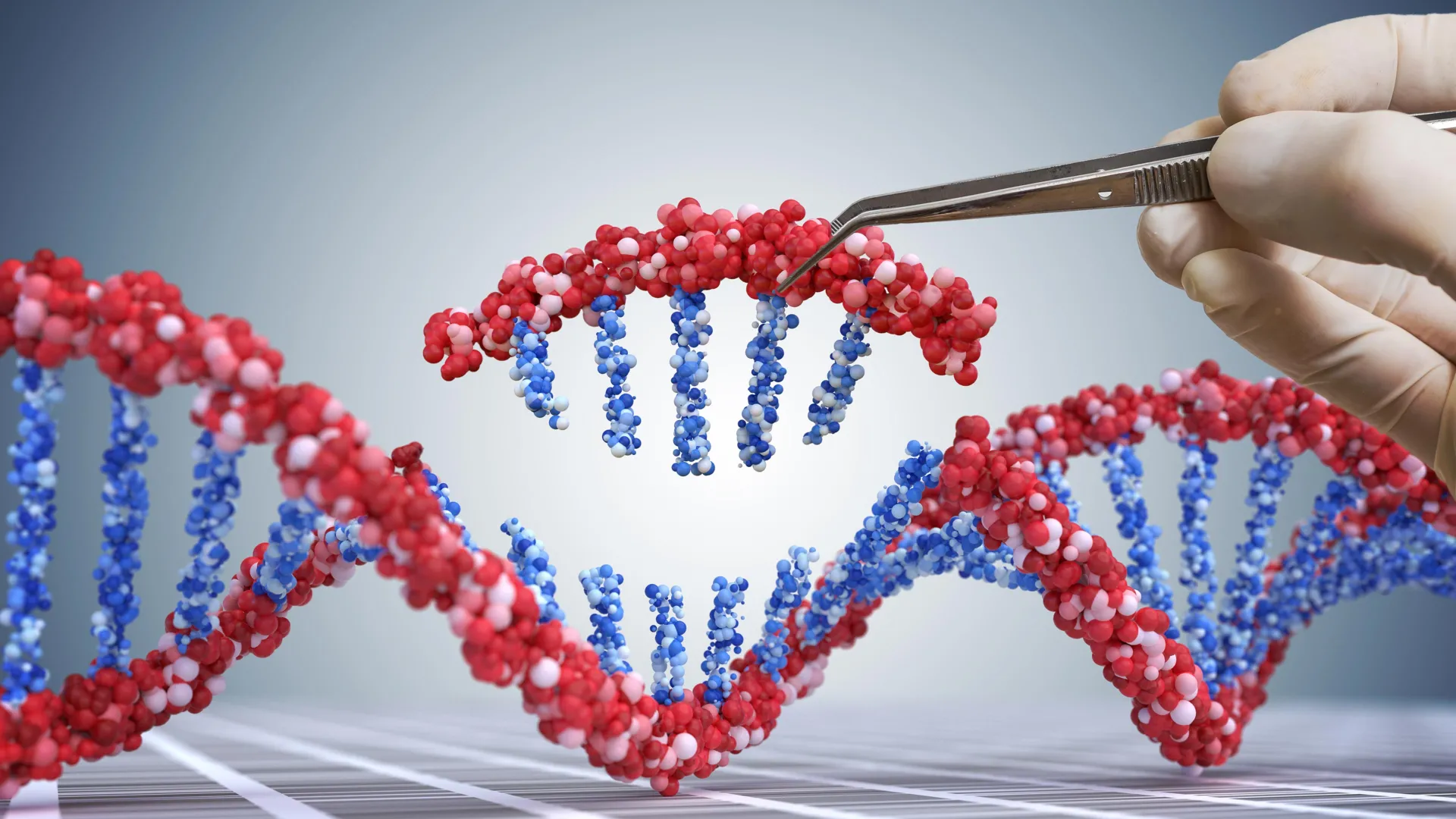
Dr. Gaucher’s team employed the revolutionary CRISPR-Cas9 gene editing technology – frequently enough described as “molecular scissors” - to insert a reconstructed version of the ancient uricase gene into human liver cells.The liver plays a central role in uric acid metabolism, making it a logical target for this therapeutic approach.
The results were compelling. uric acid levels plummeted within the edited cells, and crucially, the cells stopped accumulating fat when exposed to fructose. This finding directly addresses a key link between fructose metabolism and the advancement of non-alcoholic fatty liver disease (NAFLD),a growing global health crisis.
To validate these initial findings, the researchers moved beyond individual cells and utilized 3D liver spheroids - miniature, lab-grown structures that more accurately mimic the complex functionality of a real liver. Again, the reintroduced uricase gene effectively reduced uric acid levels. Moreover, the enzyme correctly localized to peroxisomes, the cellular compartments where uricase naturally operates, suggesting a high probability of safe and effective function within a living organism.
“By reactivating uricase in human liver cells, we lowered uric acid and stopped the cells from turning excess fructose into triglycerides – the fats that build up in the liver,” Dr. Gaucher stated.
Beyond Gout: A Systemic Impact on Metabolic health
The implications of this research extend far beyond simply alleviating the pain of gout. Hyperuricemia is increasingly recognized as a significant risk factor for a wide range of chronic diseases. Research published in Hypertension has established a strong correlation between elevated uric acid and hypertension (high blood pressure) and cardiovascular disease, with risks comparable to those associated with high cholesterol.
The statistics are alarming: studies indicate that between 25% and 50% of individuals with high blood pressure also have high uric acid. In newly diagnosed hypertension cases, this overlap jumps to a staggering 90%. This suggests that addressing uric acid levels could be a powerful preventative strategy for cardiovascular health.
“Hyperuricemia is a perilous condition,” emphasizes Dr. Gaucher. “By lowering uric acid, we could potentially prevent multiple diseases at onc.” This holistic approach to metabolic health is a significant departure from current treatment paradigms, which often focus on managing individual symptoms rather than addressing underlying causes.
The path Forward: From Lab to Clinic
While the results are promising, significant hurdles remain before this therapy becomes widely available. Current treatments for gout,such as allopurinol,aren’t universally effective and can cause adverse reactions in some patients. A CRISPR-based approach that restores uricase production directly in the liver could offer a more targeted and potentially safer option.
The next steps involve rigorous animal studies to assess safety and efficacy in vivo. If these studies are successful, human clinical trials will be initiated. Researchers are exploring several potential delivery methods,including direct injections,returning modified liver cells to patients
Worth a look