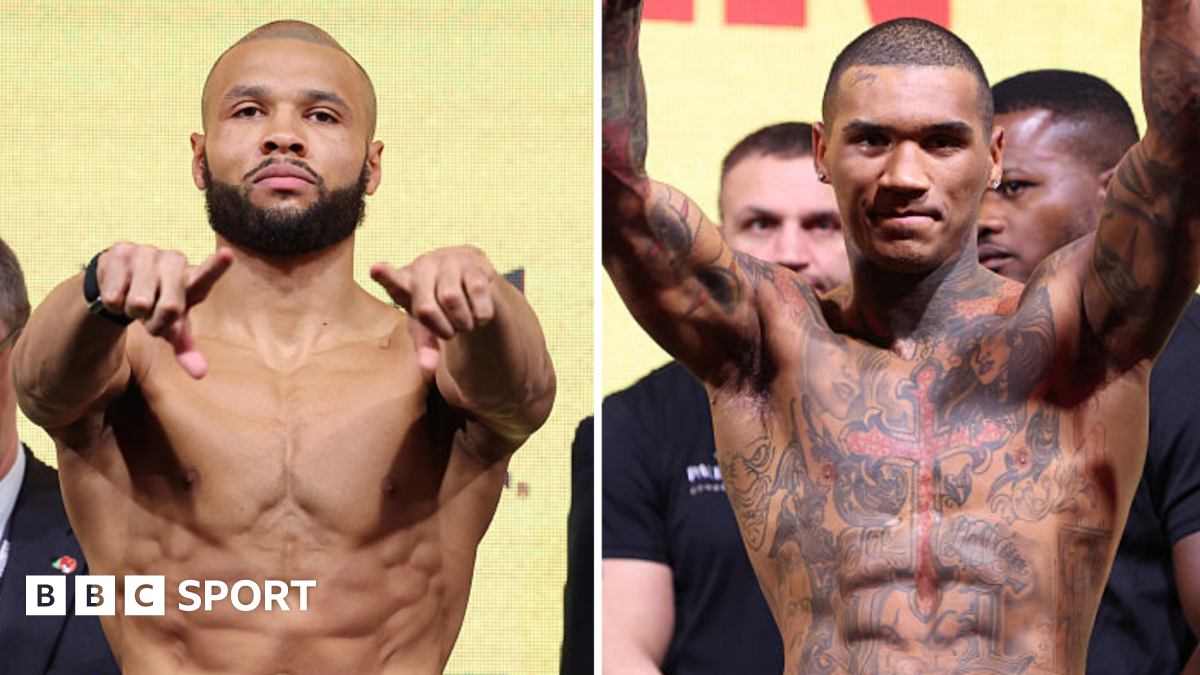
Eubank Jr. vs. benn Rematch: Weigh-In Results, Rehydration Clauses & What to Expect
The highly anticipated rematch between Chris eubank Jr. and Conor Benn is set for Saturday at Tottenham Hotspur Stadium, and both fighters have successfully navigated the crucial pre-fight weigh-in and rehydration protocols. This bout, steeped in family history and fueled by competitive fire, promises to deliver a thrilling spectacle. But what exactly do the latest weight checks mean,and why are these rehydration clauses so crucial in modern boxing? Let’s break it down.
The Weigh-in: Staying Within the Limit
Both Eubank Jr. and Benn comfortably made the 12st 1lb (77kg) limit at a second, final weight check. this follows their initial weigh-in on Friday were both fighters tipped the scales at 11st 5lb (72kg) – a pound under the middleweight division’s upper boundary. Maintaining weight is paramount, but equally crucial is managing how that weight is maintained.
Understanding the Rehydration Clause: A Level Playing Field?
This rematch,like the first encounter in April,includes a strict rehydration clause. This prevents either fighter from gaining more than 10lb between the official weigh-in and fight night. Eubank Jr. was 0.1lb under the limit, while Benn added seven pounds.
Why is this significant? rehydration clauses aim to address a growing concern in boxing: fighters deliberately dehydrating themselves to make weight, then rapidly rehydrating afterward. This can give them a size and strength advantage on fight night, but also poses serious health risks. The goal is to ensure a fairer, safer contest. It’s a relatively recent development, gaining traction in the last decade as awareness of fighter well-being increases.
Why the Weight Difference Matters: Eubank Jr.’s Natural size
Chris Eubank Jr., at 36, naturally competes at this weight class.He’s the larger man, possessing a significant physical advantage. Conor Benn,29,is stepping up two weight divisions for this fight.This jump presents a considerable challenge,requiring him to adjust his training and strategy to compete against a naturally bigger opponent.
This size disparity was evident in the first fight, which Eubank jr. won by unanimous decision (116-112 on all three judges’ scorecards). However, Benn has vowed to learn from the first encounter and implement a new game plan.
Looking Back: The First Fight & Family Legacy
The initial bout between Eubank Jr. and Benn was a captivating contest,mirroring the historic rivalry between their fathers,Chris Eubank Sr. and Nigel Benn, in the 1990s. That first fight, held in Brighton, generated immense hype and delivered on the promise of drama.
The rematch carries the same weight of expectation, not just as a sporting event, but as a continuation of a legendary family feud. It’s a narrative that resonates deeply wiht boxing fans in the UK and beyond.
Benn’s Future Plans: A Return to Welterweight
Despite the magnitude of this rematch, Conor Benn is already looking ahead. He’s stated his intention to return to the welterweight division (147lb) after this contest,with aspirations of challenging for a world title in 2026. This suggests that the middleweight jump is a strategic move for this specific fight,rather than a permanent shift in weight class.
This ambition highlights Benn’s long-term goals and his determination to establish himself as a world champion in his preferred division.
Evergreen Insights: The Evolution of Weight Management in Boxing
weight management in boxing has undergone a significant change in recent years. Historically, extreme weight cutting was commonplace, often with little regard for fighter safety. however, increased awareness of the dangers of dehydration and rapid rehydration has led to calls for reform.
Rehydration clauses are just one step in this process. Other initiatives include:
* Same-day weigh-ins: Reducing the time between weigh-in and fight, minimizing the prospect for excessive rehydration.
* Stricter medical evaluations: Ensuring fighters are medically fit to compete at their chosen weight.
*
Worth a look