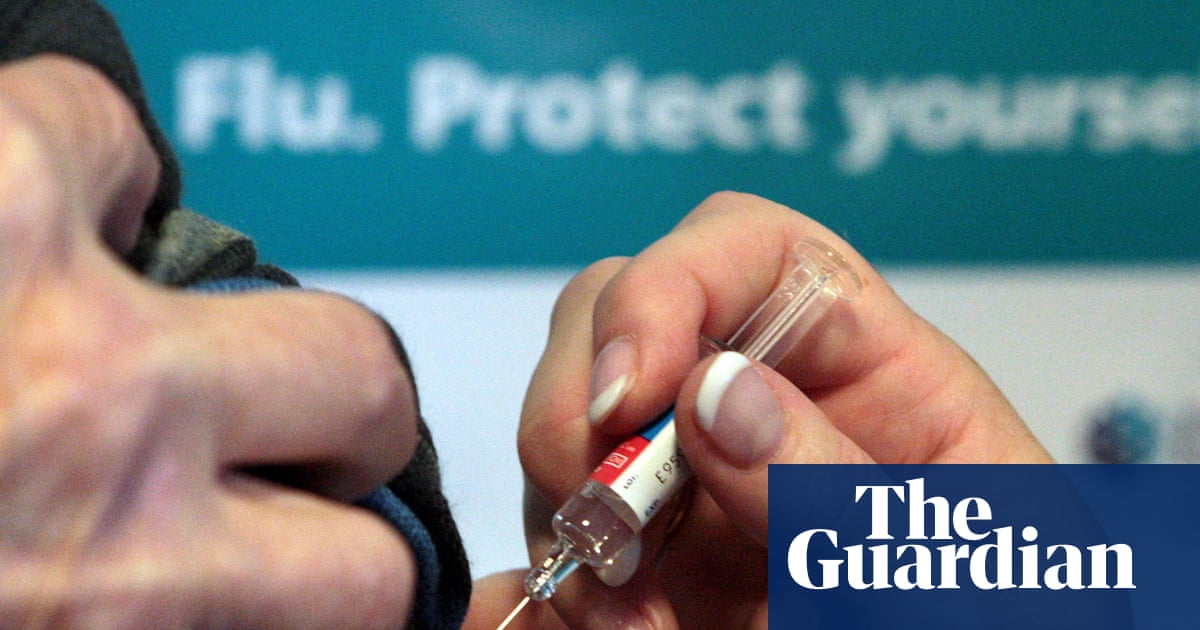
Flu Season 2024: A Perhaps Severe Strain adn What You Need to Know
This winter, health officials are closely monitoring a mutated strain of influenza, specifically the H3N2 virus. Early indications suggest this could lead to a more challenging flu season than we’ve seen in recent years.Here’s a breakdown of what’s happening,why it matters,and how you can protect yourself and your loved ones.
What’s Different This Year?
The H3N2 strain currently circulating has undergone a genetic “drift,” meaning it’s evolved enough that existing flu vaccines may be less effective at preventing infection. However, crucially, the vaccines still offer significant protection against severe illness, hospitalization, and even death.
Caroline Abrahams, director at Age UK, emphasizes the urgency: “The new strain of flu is a worry on what was already predicted to be a big flu season. it is more vital than ever that everyone that is eligible – including older people – gets the flu vaccine and also takes precautions to stay well this winter.”
Vaccine Effectiveness: What the Data Shows
According to the UK Health Security Agency (UKHSA), current vaccine effectiveness looks like this:
* Children: 70-75% effective against hospital attendance and admission.
* Adults: 30-40% effective against hospital attendance and admission.
while these numbers are lower than ideal for preventing infection, thay demonstrate the vaccine’s continued value in reducing the severity of illness. Remember, even a milder case of the flu is unpleasant, and severe cases can be life-threatening.
Looking Back: Past H3N2 Seasons
The H3N2 virus isn’t new. It’s historically been associated with particularly challenging flu seasons. For example, the 2003-2004 season, which also began with a drifted H3N2 strain, saw approximately 12,000 flu-related deaths in England and Wales. Tho,severity isn’t guaranteed.Flu seasons are complex and influenced by many factors.
Who is Most at Risk?
Certain groups are more vulnerable to severe complications from the flu. These include:
* Older adults (65+)
* Individuals with long-term health conditions (like asthma, diabetes, or heart disease)
* Pregnant women
* Very young children
What Can You Do to Protect Yourself?
Don’t wait – take action now. Here’s a extensive approach:
- Get Vaccinated: If you are eligible for a free flu vaccine, schedule your appointment promptly. Even if you don’t qualify for a free vaccine, consider paying for one.
- Practice Good Hygiene: Wash your hands frequently with soap and water. Use hand sanitizer when soap and water aren’t available.
- Consider Lateral flow Tests: If you suspect you have the flu, use a lateral flow test to confirm. This allows you to isolate quickly and prevent spreading the virus.
- Stay Home When Sick: If you’re feeling unwell, stay home from work or school to avoid infecting others.
- Boost Your Immune System: Prioritize sleep, eat a healthy diet, and manage stress.
A Potential for a Severe Season
Ed Hutchinson, a professor of molecular and cellular virology at the MRC-University of Glasgow Center for Virus Research, believes the UK could be facing its most severe flu season in a decade. He warns that this could lead to a significant increase in hospitalizations, particularly among vulnerable populations.
The bottom Line
While the mutated H3N2 strain presents a challenge, it’s not a cause for panic.By taking proactive steps – especially getting vaccinated – you can considerably reduce your risk of severe illness and help protect your community. Stay informed,stay vigilant,and prioritize your health this winter.
Resources:
* UKHSA Report on Influenza Virus Characterisation
*[Studyon2003[Studyon2003[Studyon2003[Studyon2003
Related reading