navigating Diabetes in Pregnancy: A Thorough Guide to WHO’s New global Guidelines
For millions of women worldwide, pregnancy is a period of profound joy and anticipation. Though, for approximately one in six expectant mothers – roughly 21 million annually – the journey is elaborate by diabetes. Recognizing the escalating global impact of this condition, the World Health Organization (WHO) has released its landmark first global guidelines for the management of diabetes during pregnancy. This isn’t merely an update; it’s a fundamental shift towards standardized, evidence-based care designed to safeguard the health of both mother and child.
Diabetes in pregnancy encompasses gestational diabetes (GDM), pre-existing type 1 diabetes, and pre-existing type 2 diabetes.Irrespective of the type, unmanaged diabetes during pregnancy presents significant risks. These range from life-threatening complications like pre-eclampsia and stillbirth to long-term health consequences, including an increased lifetime risk of type 2 diabetes and cardiometabolic diseases for both mother and offspring. The urgency is notably acute in low- and middle-income countries, where limited access to specialized care exacerbates the challenges.
“WHO has long had guidance on diabetes and guidance on pregnancy, but this is the first time we have issued a specific standard of care for managing diabetes during pregnancy,” stated Dr. Tedros Adhanom Ghebreyesus, WHO Director-General.This statement underscores the significance of these guidelines – they are not simply a compilation of existing knowledge, but a dedicated framework built on the realities of women’s health needs globally.
understanding the Scope of the Guidelines: 27 Key Recommendations
The WHO guidelines are built upon a foundation of rigorous research and clinical expertise, offering 27 specific recommendations designed to optimize care throughout the entire pregnancy journey. These recommendations aren’t prescriptive; they emphasize a patient-centered approach, recognizing that each woman’s needs are unique. Key areas addressed include:
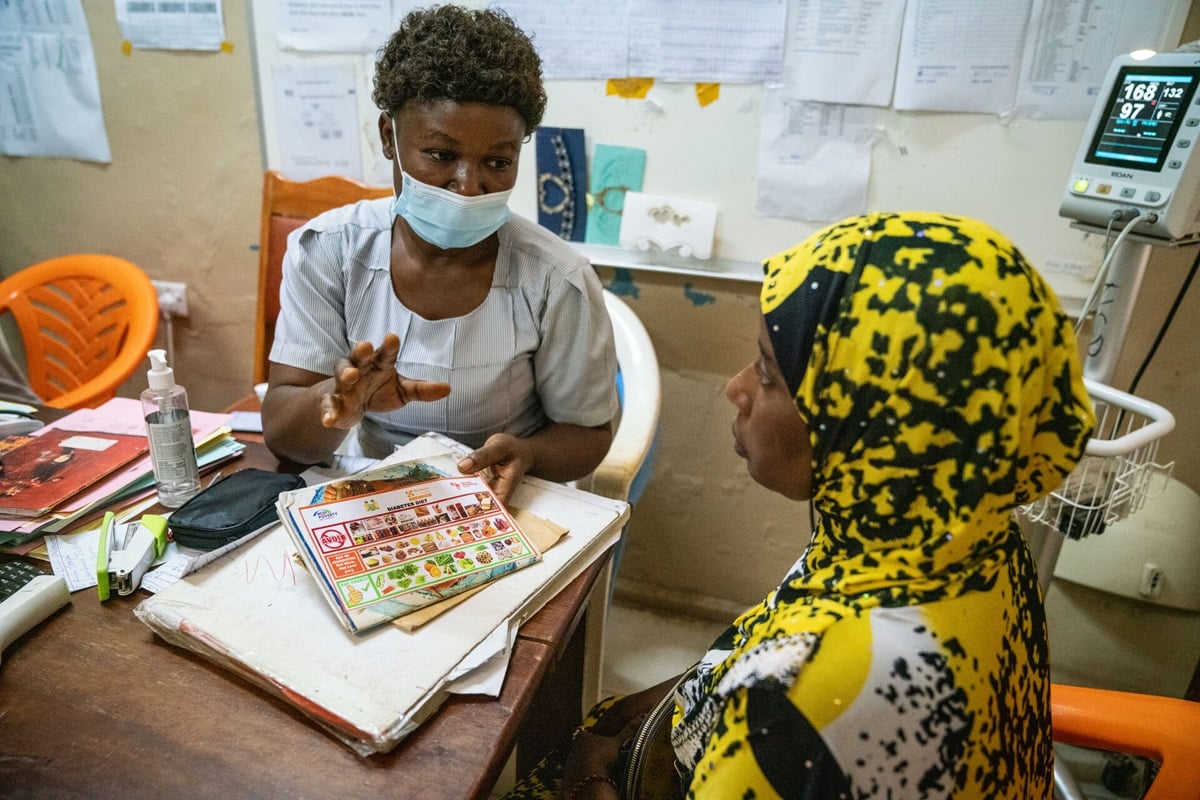
* Personalized Care Plans: Moving beyond a ‘one-size-fits-all’ approach, the guidelines advocate for individualized advice on dietary modifications, appropriate physical activity levels, and tailored blood sugar targets. This acknowledges the diverse lifestyles, cultural backgrounds, and health statuses of pregnant women.
* Proactive Glucose Monitoring: Regular blood glucose monitoring is paramount. The guidelines stress the importance of consistent checks during clinic visits and at home, empowering women to actively participate in their care and identify potential issues early.Continuous glucose monitoring (CGM) is also discussed as a valuable tool for certain patients.
* Pharmacotherapy Tailored to Diabetes Type: The guidelines provide specific medication regimens for managing type 1, type 2, and gestational diabetes when pharmacological intervention is necessary. This ensures that women receive the most appropriate and effective treatment based on their specific condition.Emphasis is placed on medications with established safety profiles during pregnancy.
* Multidisciplinary Support Systems: Women with pre-existing diabetes require comprehensive, multidisciplinary care.This involves collaboration between endocrinologists, obstetricians, dietitians, and other healthcare professionals to address the complex interplay of diabetes and pregnancy.
* Early Detection and screening: The guidelines highlight the importance of early screening for diabetes in pregnancy, particularly in populations with higher risk factors. This proactive approach allows for timely intervention and reduces the likelihood of adverse outcomes.
* Postpartum Care: The guidelines extend beyond delivery, emphasizing the need for continued monitoring and support for both mother and child in the postpartum period. This includes assessing for the development of postpartum diabetes and providing guidance on long-term health management.
The Wider Context: Diabetes as a Global Health Crisis
The release of these guidelines coincides with World Diabetes Day 2025, themed “Diabetes across life stages.” This theme powerfully illustrates the pervasive nature of diabetes and the need for integrated care throughout a person’s life. Diabetes already affects over 800 million people globally, a number projected to rise dramatically in the coming decades. It’s a leading driver of heart disease, kidney failure, blindness, and lower-limb amputation, placing an immense strain on healthcare systems worldwide.
The increasing prevalence of diabetes is particularly concerning in low- and middle-income countries, where access to affordable care and essential medicines remains a significant barrier. Addressing this disparity requires a concerted global effort to strengthen healthcare infrastructure, improve access to diagnostics, and promote preventative measures.
Timeless insights: Beyond the Guidelines
These guidelines represent a crucial step forward, but true progress requires a shift in perspective. Here are some enduring principles to consider: