The Gruesome Fate of a Hungarian Duke: How Forensic Science Identified Béla of Macsó After 700 Years
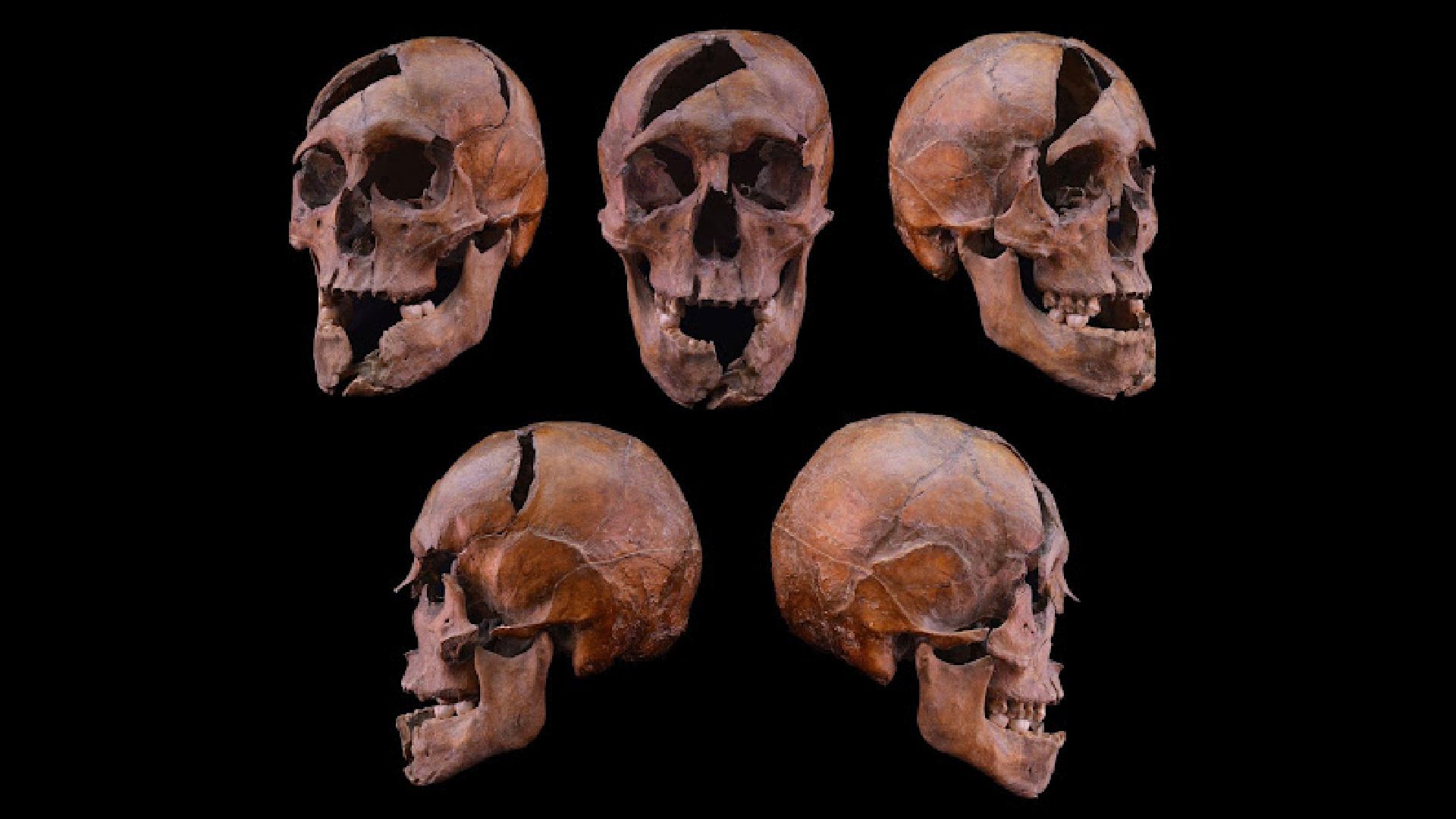
For centuries, the identity of a skeleton discovered in a Hungarian church remained a mystery. Now, cutting-edge forensic analysis – including DNA testing and a detailed examination of traumatic injuries – has revealed the remains to be those of Béla, Duke of Macsó, a key figure in 13th-century Hungarian politics. This discovery not only solves a historical puzzle but also offers a chillingly detailed glimpse into a brutal assassination.
A Royal Lineage Confirmed Through DNA
The identification wasn’t straightforward. Initial radiocarbon dating presented a challenge, falling slightly outside the known lifespan of Duke Béla. However, researchers skillfully employed DNA analysis to confirm the duke’s identity.
They compared DNA extracted from the skeleton with samples from two of Béla’s known relatives: King Béla III (1148-1196) and Ladislaus I (1040-1095). The results were conclusive, establishing the skeleton as belonging to a grandson of King Béla IV – definitively identifying him as Béla, Duke of Macsó.
Unveiling a Violent End: the Forensic Evidence
Beyond DNA, a meticulous forensic traumatological assessment painted a vivid, and disturbing, picture of Béla’s death. The skeleton bore numerous injuries, revealing a calculated and savage attack.
Here’s what the analysis revealed:
* Defensive Wounds: Injuries to Béla’s arms and hands indicate he attempted to defend himself without a sword or shield. this suggests a surprise attack, leaving him unarmed.
* Lack of Armor: The depth of the wounds suggests Béla wasn’t wearing armor, further supporting the idea of a premeditated assassination.
* Multiple Assailants: At least two different weapons were used – a saber and a long sword – indicating the involvement of multiple attackers.
* The Attack Sequence: The assault likely began from the front, targeting the head and upper body. Béla was then struck from the side, causing him to fall and sustain a head injury.
* A Brutal Finish: He was stabbed in the back, likely paralyzing him, before suffering further blows to the head.
The sheer number of injuries, exceeding what was necessary to cause death, points to a particularly violent and emotionally charged event – a phenomenon known as “overkill” in forensic science.
Political Intrigue and a Personal Betrayal
Historical accounts align with the forensic findings.At the time of his death, Béla was a potential claimant to the Hungarian throne, making him a target for rivals vying for power.
Specifically, the historical record points to Henrik Kőszegi, a former friend and mentor of Béla, as a key figure in the assassination. Their relationship soured after a military defeat, escalating tensions and ultimately leading to betrayal.
“I think it was very personal,” explains forensic anthropologist Marie-Pierre Trautmann, highlighting the likely motive behind the brutal attack. The turbulent political landscape of 13th-century Hungary provided the backdrop for a deadly power struggle, with Béla caught in the crossfire.
Expert Validation
The identification and interpretation of the evidence have been met with approval from experts in the field.
Eleanor Graham, a forensic scientist at Northumbria University, stated via email that the claims are “appropriately hedged and are supported by scientific evidence.” She specifically noted the significance of the forensic traumatological assessment, which aligns with historical accounts of the duke’s demise.
Why This Matters
This case demonstrates the power of interdisciplinary collaboration – combining historical research, genetic analysis, and forensic science – to unlock secrets of the past. It’s a testament to how modern technology can breathe new life into historical narratives, offering a more complete and nuanced understanding of events long gone.
Furthermore,the detailed reconstruction of Béla’s final moments serves as a stark reminder of the violence and political intrigue that characterized medieval life. You can appreciate how this case provides a tangible connection to history, allowing us to understand the past in a profoundly personal way.
Resources:
* [Live Science: DNA Confirms Identity of Medieval Duke](https://www.livescience.com/37247
- The Role of Pediatricians in Gender Identity: Guidelines and Limitations
- Community Action Pioneer Valley Opens New WIC Office in Hadley to Expand Family Nutrition Services
- Abdul Ballout Identified as Berlin Pride Attack Perpetrator (time.news)
- Mario Hart and Korina Rivadeneira Confirm Split and Reveal Breakup Details (newsdirectory3.com)