Presidential Authority and National Guard Deployments: A Growing Legal Battle
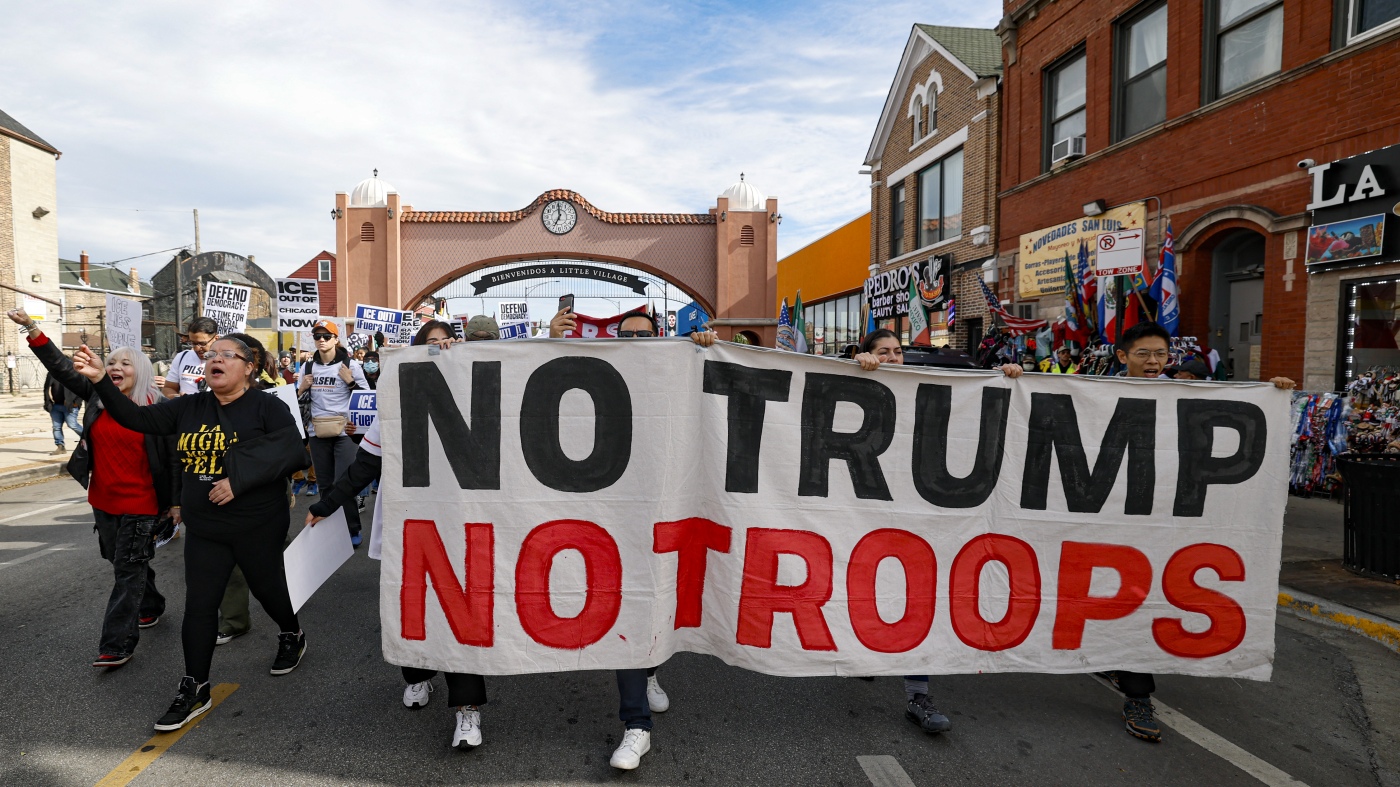
Recent actions involving the deployment of National Guard troops to cities like Portland and Chicago have sparked significant controversy and legal challenges. These deployments, authorized by the federal government, are facing pushback from local and state officials who view them as an overreach of presidential power. Let’s break down what’s happening and why it matters to you.
The Core of the Dispute
The central issue revolves around the extent of the president’s authority to deploy National Guard troops within states without the explicit consent of state governors or local authorities. I’ve found that this question touches upon essential principles of federalism and the balance of power within our system of government.
Here’s a quick overview of the key points:
* Federal vs. State Control: Traditionally, National Guard units operate under state control unless federalized by the President.
* Posse Comitatus Act: This law generally prohibits the use of the U.S. military for domestic law enforcement purposes. There are exceptions, but they are narrowly defined.
* Recent Deployments: the recent deployments to cities experiencing unrest have been framed by the federal government as necessary to protect federal property and personnel.
Legal challenges and Court Rulings
Local and state leaders in Oregon and Illinois have voiced strong opposition to these troop deployments. They argue that the actions are unnecessary and represent an infringement on states’ rights.
Courts have consistently sided with these concerns, issuing rulings that have blocked federal attempts to conduct operations within these cities. Here’s what’s unfolded:
* Portland, Oregon: A federal judge issued a permanent injunction on November 7th, preventing further troop deployments to Portland. The Trump governance has appealed this decision.
* Chicago, Illinois: The Supreme Court is currently considering an emergency appeal from the Trump administration seeking to overturn lower court rulings that have prevented troop deployment in Chicago.
* Ongoing Litigation: These cases highlight a broader pattern of legal battles over the limits of presidential authority in domestic affairs.
What This Means for You
These legal challenges aren’t just abstract constitutional debates. They have real-world implications for your community and your rights. Here’s what you should understand:
* local Control: The ability of state and local governments to manage their own affairs is a cornerstone of our democracy.
* Accountability: These legal battles are about ensuring that those in power are held accountable to the law and the Constitution.
* Potential for Escalation: The ongoing disputes could escalate tensions between the federal government and state/local authorities.
Looking Ahead
The supreme Court’s decision on the Chicago case will be pivotal. It will set a precedent that could substantially shape the future of federal-state relations and the use of the National Guard for domestic law enforcement. I believe that understanding these issues is crucial for all citizens who value a balanced and constitutional government.
Here’s what to watch for:
* Supreme Court Ruling: The Court’s decision could come at any time.
* Further Appeals: Regardless of the outcome, further appeals are likely.
* legislative Action: Congress could perhaps clarify the legal framework governing National Guard deployments.
ultimately, this situation underscores the importance of vigilance and engagement in the democratic process.Your voice matters, and staying informed is the first step toward protecting your rights and shaping the future of your community.