ancient Egyptians and the Pursuit of Altered States: New Evidence of Opiate & Hallucinogen use
For centuries, we’ve been captivated by the mysteries of ancient Egypt. Now,cutting-edge archaeological science is revealing a fascinating – and perhaps surprising – aspect of their culture: the intentional use of psychoactive substances. Recent discoveries suggest that altering consciousness wasn’t limited to religious ceremonies, but may have been woven into the fabric of daily Egyptian life.
From Alabaster Vases to Ancient Pharmacology
Traditionally, understanding ancient practices relied heavily on texts and iconography. Today, scientists are employing the tools of pharmacology to analyze residue on excavated artifacts. This approach is yielding remarkable insights into the substances ancient civilizations consumed and why.
It’s not just Egypt, either. Evidence points to widespread use of hallucinogens across numerous ancient cultures – including the Greeks, Mayans, Incas, and Aztecs.Even today, communities like the Urarina people of the Peruvian Amazon continue age-old traditions with psychoactive brews like ayahuasca.
The Bes Vessel and a Complex Cocktail
One particularly compelling case centers around a ceremonial mug decorated with the head of Bes, a protective deity associated with households and mothers. University of south Florida researcher David Tanasi led a detailed analysis of residue found within the vessel.
His team utilized a suite of advanced techniques - proteomic and genetic analyses, alongside synchrotron radiation-based Fourier-transform infrared microspectroscopy – to identify the compounds present. The results? A surprisingly complex concoction.
Here’s what they found:
* Syrian Rue: Seeds from this plant contain harmine and harmaline, alkaloids known for their hallucinogenic properties and ability to induce vivid, dream-like visions.
* Blue Water Lily: This flower contains a psychoactive alkaloid with sedative effects.
* fermented Alcoholic Beverage: The residue indicated a brew containing yeasts, wheat, sesame seeds, fruit (likely grapes), honey, and surprisingly, human fluids. These fluids potentially included breast milk, oral/vaginal mucus, and even blood.
* Additional Compounds: Further analysis confirmed the presence of pine nuts/oil, licorice, tartaric acid salts, and spider flowers – all with known medicinal properties.
Opiates in an Alabaster Vase
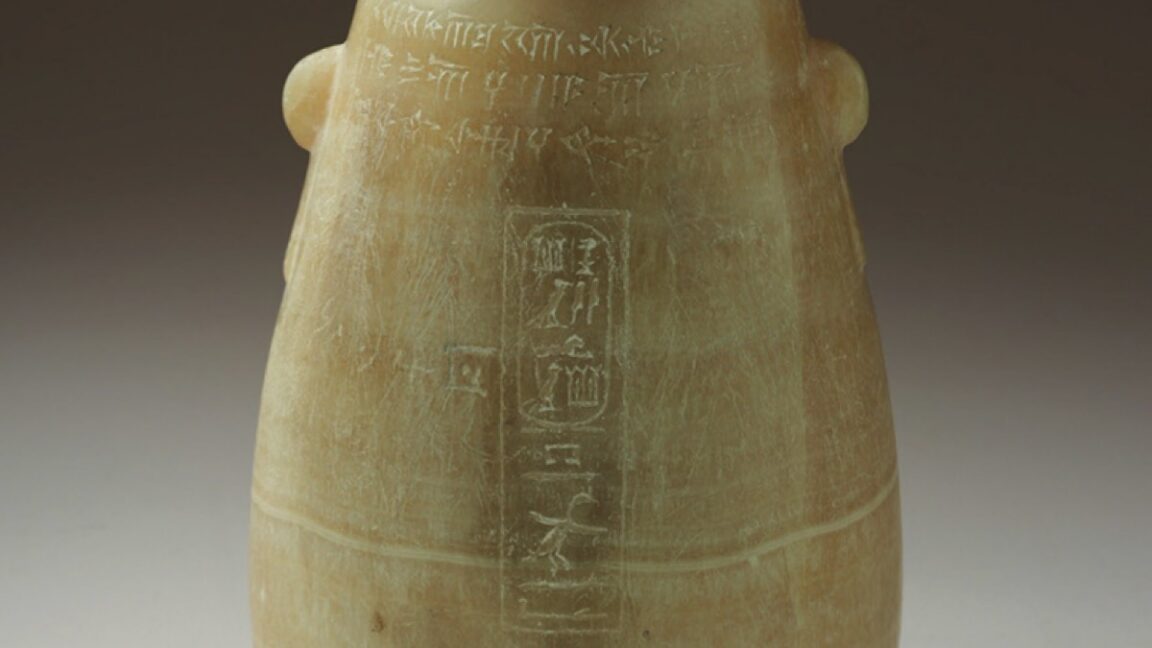
Beyond the Bes vessel, researchers have also discovered traces of ancient opiates within an Egyptian alabaster vase. This finding,detailed in the Journal of Eastern Mediterranean Archaeology,suggests opiate use wasn’t a rare occurrence. It may have been a regular part of Egyptian life.
What Does This Mean?
These discoveries challenge previous assumptions about ancient Egyptian society. They suggest a deliberate exploration of altered states of consciousness, potentially for:
* Religious and spiritual Practices: Hallucinogens likely played a role in rituals and connecting with the divine.
* Medicinal Purposes: Many of the identified compounds possess known healing properties.
* Social Bonding: Shared consumption of psychoactive substances could have fostered community and strengthened social ties.
* Daily Wellbeing: The presence of opiates and sedatives hints at potential use for pain management or relaxation.
The ongoing request of pharmacological tools to archaeological artifacts promises to reveal even more about the complex and fascinating world of ancient Egypt – and the enduring human desire to explore the boundaries of consciousness.