The Rising Bear Threat in Japan: A Guide to Staying Safe While Enjoying Nature
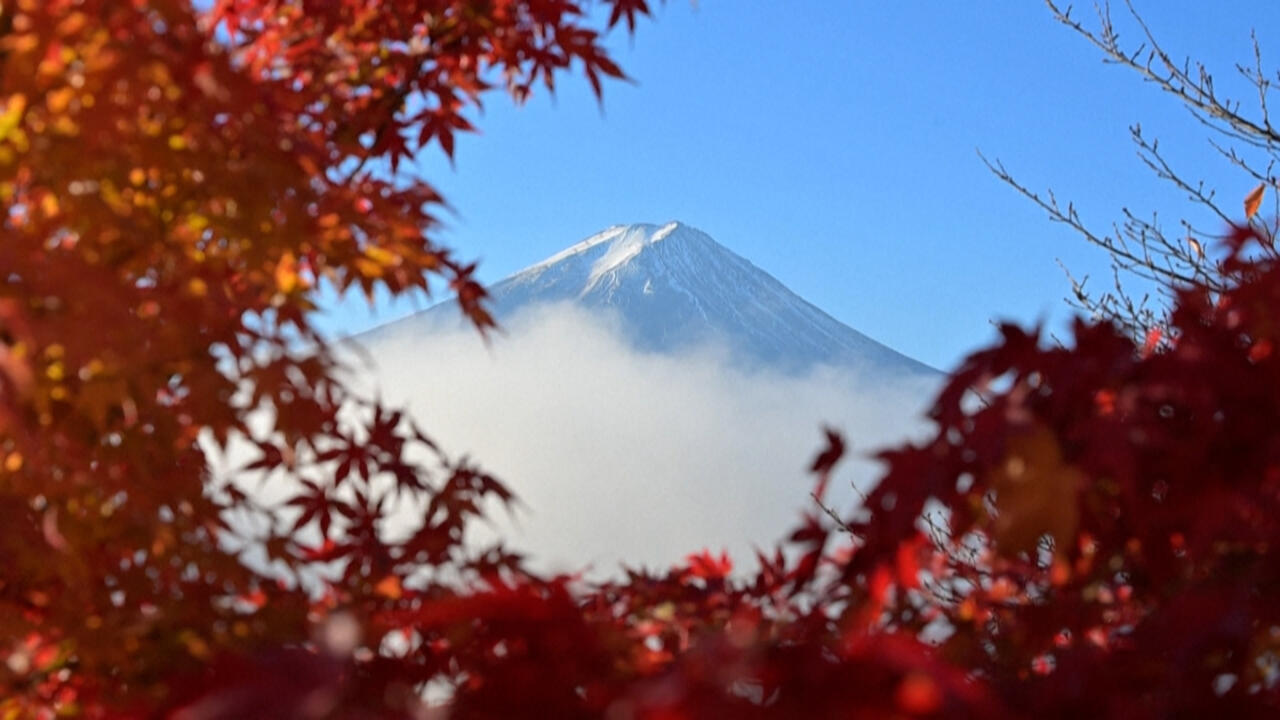
Mount Fuji‘s breathtaking autumn foliage is drawing tourists from across the globe. Though,this year’s vibrant viewing season is shadowed by a concerning trend: a dramatic increase in bear attacks throughout Japan. Understanding the risks and taking appropriate precautions is crucial for anyone planning to explore the country’s stunning natural landscapes. This article will delve into the reasons behind this surge, provide practical safety advice, and answer your pressing questions about staying safe in bear country.
Understanding the Surge in Bear Attacks
Japan is currently experiencing a record-breaking year for deadly bear encounters. Since April, a tragic 13 people have lost their lives in bear attacks nationwide – the highest number ever recorded. This alarming statistic isn’t simply a matter of bad luck. Several factors are contributing to this increase, including a declining bear population’s food sources and changes in human behavior.
Recent research indicates a significant decrease in the availability of acorns and other natural bear food sources due to climate change and forestry practices. This scarcity forces bears to venture closer to human settlements and trails in search of sustenance. Moreover, an aging population in rural areas means fewer people are actively engaged in traditional forest management practices, leading to overgrown trails and reduced visibility.
Pro Tip: Always make noise while hiking. Talking, singing, or using a bear bell can alert bears to your presence and give them time to avoid you.
Practical Safety Measures for Hikers and Travelers
Protecting yourself requires awareness and preparation. Here’s a step-by-step guide to minimizing your risk:
* Check Local Warnings: Before heading out, consult local authorities and park websites for recent bear activity reports and trail closures.
* Hike in Groups: Bears are less likely to approach larger groups of people.
* Carry Bear Spray: While not foolproof, bear spray can be an effective deterrent. Learn how to use it before you go. (Consider purchasing EPA-approved bear spray).
* Store food Properly: Never leave food unattended. Use bear-resistant canisters or hang food from a tree, at least 10 feet off the ground and 4 feet from the trunk.
* Be Aware of Your Surroundings: Pay attention to signs of bear activity, such as tracks, scat, and claw marks on trees.
* Avoid Hiking at Dawn and Dusk: bears are most active during these times.
* Dress Appropriately: Wear luminous clothing to increase your visibility.
Addressing common Concerns: Bear Encounters and What to Do
What should you do if you encounter a bear? your response depends on the bear’s behavior.
* If the bear is unaware of your presence: Slowly and quietly back away, keeping an eye on the bear.
* If the bear is aware of you but not aggressive: Make yourself look large, make noise, and slowly back away.
* If the bear attacks: Fight back aggressively, focusing on the bear’s face and eyes.
Remember, prevention is always the best strategy. Understanding bear behavior and taking proactive safety measures significantly reduces your risk of a negative encounter. are you planning a trip to Japan this autumn? What specific concerns do you have about bear safety?
Beyond the Headlines: The Broader Context of Human-Wildlife Conflict
The increase in bear attacks
Keep reading
- FIFA President Gianni Infantino Loses Support From National Federations
- Boat Engine Catches Fire During Attempt to Cross to UK
- Spurs Tournament Honors Godwin Lawson With Youth Football and Safety Workshops (archyworldys.com)
- Russia and Ukraine Trade Deadly Strikes as Casualties Mount (newsdirectory3.com)