Sudan’s Humanitarian Crisis: A Deep Dive into the Suffering in Darfur
The situation in Sudan is rapidly deteriorating, with the ongoing civil war pushing millions towards the brink of starvation and displacement. Recent reports paint a harrowing picture of desperation, notably in the darfur region. This article will delve into the complexities of the Sudan crisis,exploring the challenges faced by civilians,the humanitarian response,and what the future might hold. are you aware of the scale of suffering unfolding in this frequently enough-overlooked conflict?
The Escalating Crisis in North Darfur
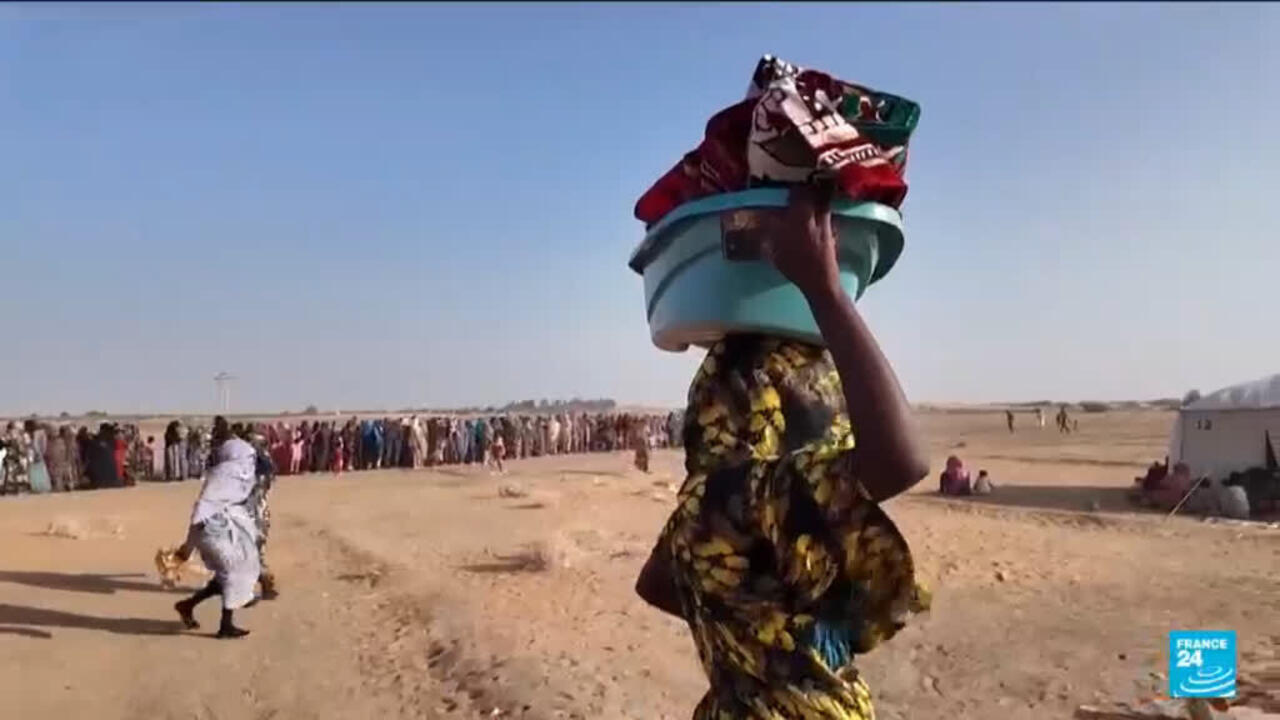
United Nations Humanitarian Chief Tom Fletcher recently concluded a week-long mission to Sudan, including visits to refugee camps in Tawila and Korma, North Darfur. His observations were stark: conditions for civilians are “desperate.” He met with survivors and aid workers battling to provide assistance amidst immense obstacles.
The conflict, which erupted in April 2023 between the Sudanese Armed Forces (SAF) and the Rapid Support Forces (RSF), has triggered a massive humanitarian catastrophe. Over 8 million people have been displaced – both internally and as refugees in neighboring countries like Chad and South Sudan. This makes Sudan the largest displacement crisis globally, surpassing even Ukraine, according to UNHCR data released in November 2023.
The fighting has severely disrupted essential services, including healthcare, water supply, and sanitation. Access to food is critically limited, and malnutrition rates are soaring, especially among children. The World Food Program (WFP) estimates that over 20 million people – nearly half the population – face acute food insecurity.
Obstacles to Humanitarian Aid Delivery
Delivering aid to those in need is proving incredibly challenging.
* Security Concerns: Ongoing clashes and the presence of armed groups hinder access to affected areas.
* Bureaucratic Impediments: Aid organizations face numerous bureaucratic hurdles imposed by both sides of the conflict, delaying the delivery of vital supplies.
* Funding Shortfalls: The humanitarian response is severely underfunded. As of November 2023, the UN’s appeal for Sudan has received less than 30% of the required funding.
* Infrastructure Damage: Critical infrastructure, such as roads and airports, has been damaged or destroyed, further complicating logistics.
What can be done to overcome these obstacles and ensure aid reaches those who desperately need it? Increased diplomatic pressure on the warring parties,streamlined bureaucratic procedures,and a significant increase in funding are crucial steps.
The Specific Challenges in Darfur
The situation in Darfur is particularly dire, echoing the horrors of the early 2000s conflict. The region has a long history of ethnic tensions and violence. The current conflict has exacerbated these tensions, leading to targeted attacks against specific communities.
Reports of sexual violence, particularly against women and girls, are deeply concerning. the lack of protection for civilians is a major issue. The International criminal Court (ICC) is investigating alleged war crimes and crimes against humanity committed in Darfur. Are you familiar with the history of conflict in Darfur and its impact on the region?
Addressing the Root Causes & Long-Term Solutions
Simply providing humanitarian aid is not enough. Addressing the root causes of the conflict is essential for achieving lasting peace and stability. These include:
* Political Marginalization: Years of political exclusion and economic inequality have fueled resentment and grievances.
* Competition for Resources: Competition over land and water resources has