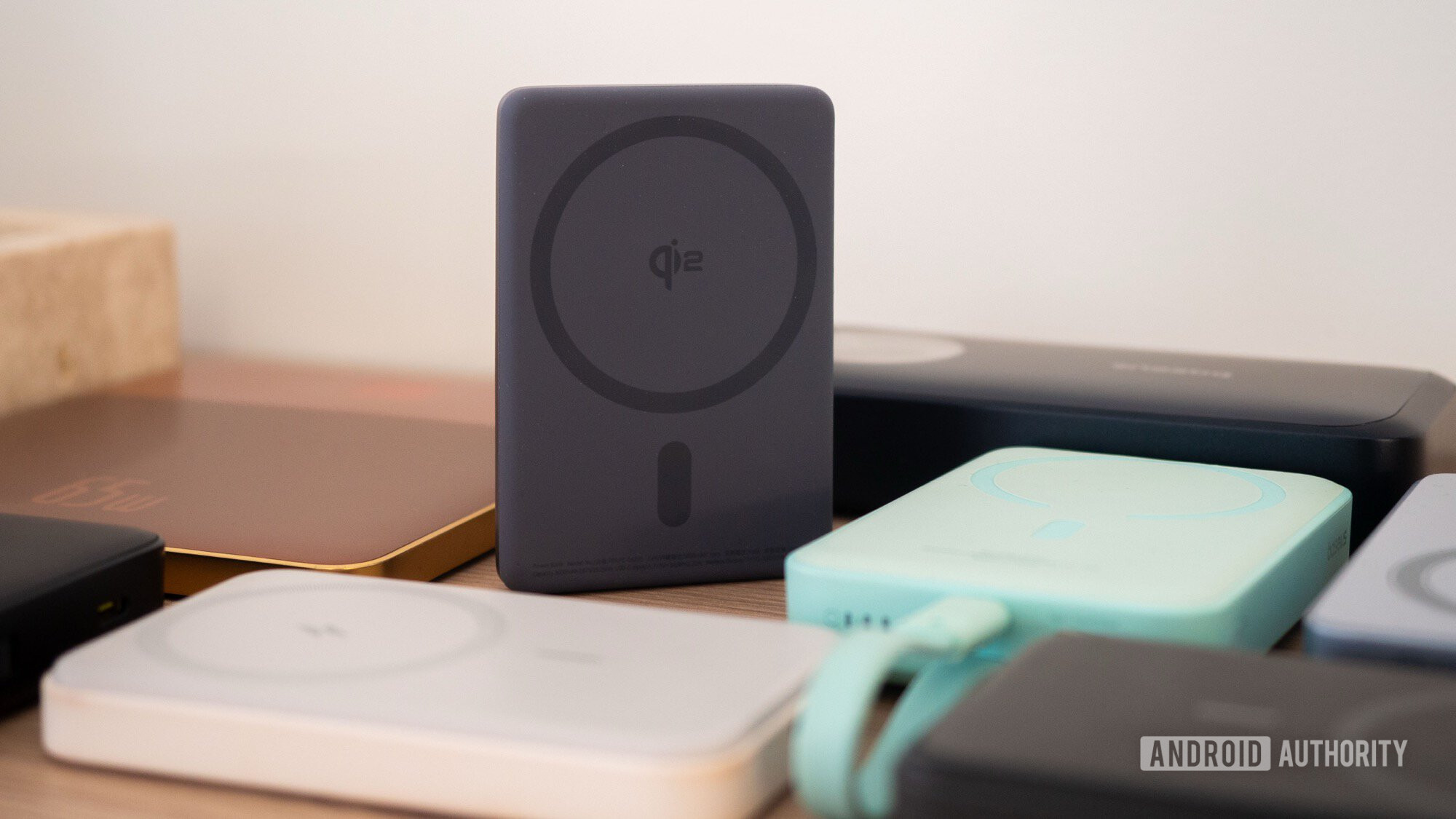
Power On the Go: A Deep Dive into Portable Charging Solutions
Finding the right portable charger can be a game-changer for your increasingly mobile life. You rely on your devices, and running out of power at a critical moment is frustrating. Fortunately, the market is brimming with options, but navigating them requires understanding your needs and the available technology. This guide will help you choose the perfect power bank to keep you connected, wherever you are.
Why You Need a Portable Power bank
Consider how you use your devices throughout the day. Do you stream videos on your commute? Are you a frequent traveler? Perhaps you work remotely and need reliable power during outages. A portable charger offers peace of mind and ensures you’re always ready to go. It’s a small investment that can save you significant hassle.
Key Features to Look For
Several factors differentiate power banks. Here’s a breakdown of what to prioritize:
* Capacity (mAh): Measured in milliampere-hours, this determines how many times you can charge your devices. A 10,000mAh power bank can typically charge a smartphone 2-3 times.
* Charging Speed: Look for power banks supporting Power Delivery (PD) and Quick Charge (QC) technologies. These standards deliver significantly faster charging speeds compared to standard USB charging.
* Ports: Consider the number and type of ports. USB-C is becoming the standard, offering faster charging and data transfer. Multiple ports allow you to charge several devices concurrently.
* Size and Weight: Portability is key. Balance capacity with a size and weight that suits your lifestyle. Slim, lightweight options are ideal for everyday carry.
* Safety Features: Reputable power banks include safeguards against overcharging, overheating, and short circuits, protecting both the power bank and your devices.
* Integrated Features: Some power banks offer built-in cables, LED displays showing remaining power, or even integrated kickstands for convenient video viewing.
Understanding Charging technologies
Let’s break down the common charging standards:
* USB Power Delivery (USB-PD): This is a fast-charging protocol that can deliver up to 100W of power.It’s widely supported by newer smartphones, tablets, and even laptops.
* Quick Charge (QC): Developed by Qualcomm, Quick Charge is another fast-charging standard. while not as global as USB-PD, it’s still prevalent in many Android devices.
* Pass-Through charging: This allows you to charge the power bank and your device simultaneously. It’s a convenient feature if you have limited outlets.
Capacity: How Much Power Do You Really Need?
Choosing the right capacity depends on your devices and usage patterns. Here’s a quick guide:
* 5,000mAh: Ideal for a single smartphone charge or powering small accessories.
* 10,000mAh: A sweet spot for most users, offering 2-3 smartphone charges.
* 20,000mAh: Excellent for multiple device charges, travel, or power-hungry devices like tablets.
* 30,000mAh+: Best for extended trips, camping, or situations where access to power is limited.
Beyond the Basics: Features That Enhance Your Experience
Several features can elevate your portable charging experience.
* USB-C Power Delivery: This ensures the fastest possible charging speeds for compatible devices.
* Digital Displays: These provide accurate readings of remaining power, eliminating guesswork.
* Compact Designs: slim and lightweight power banks are easier to carry in your pocket or bag.
* Built-in Cables: Eliminates the need to carry separate cables, simplifying your setup.
* Kickstands: Convenient for propping up your phone for video viewing while charging.
Maintaining Your Power Bank
proper care extends the life of your power